First supernovae may have seeded rocky planet building blocks 100 million years after the Big Bang
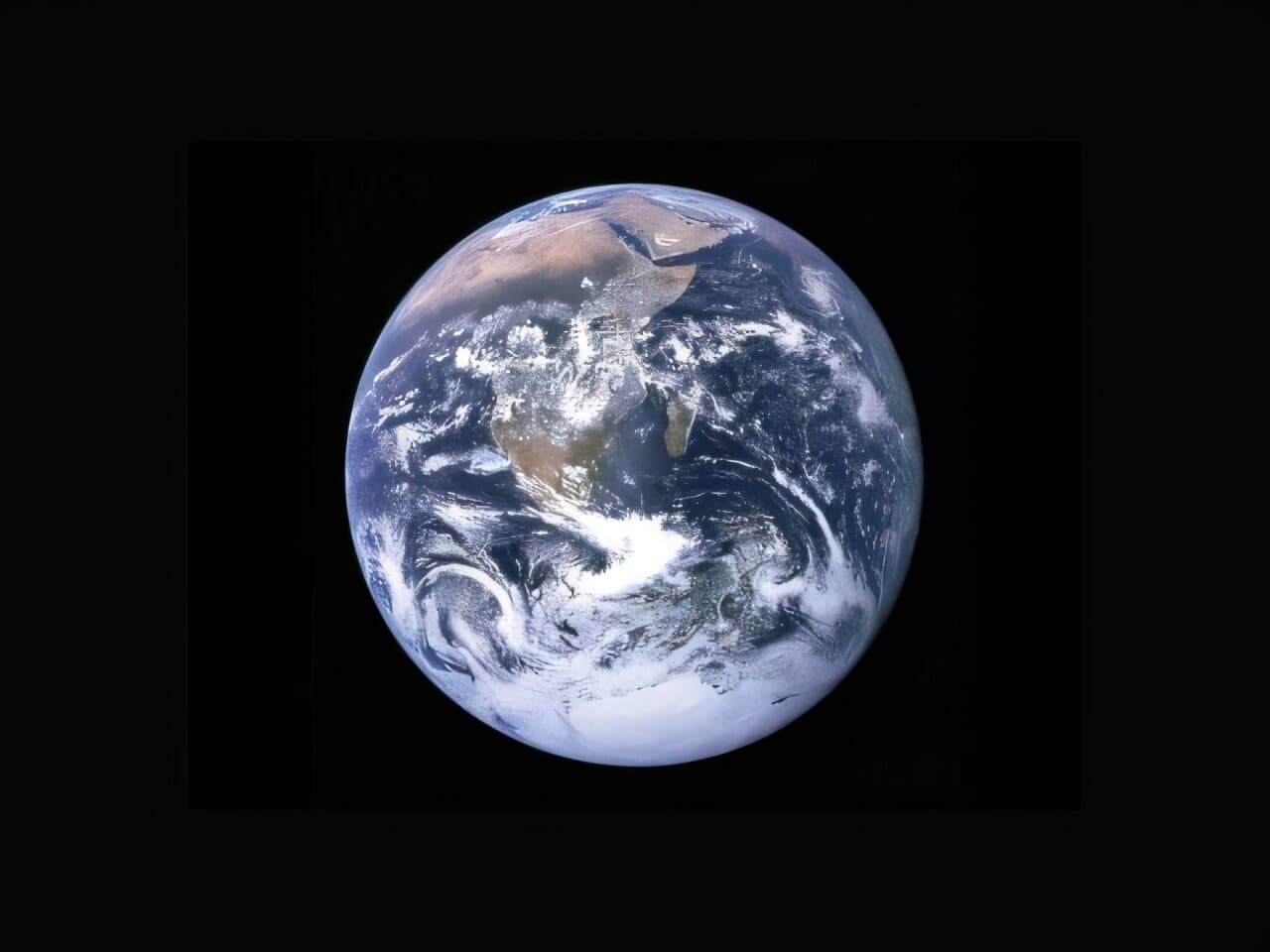

The building blocks of rocky planets may have begun forming just 100 million years after the Big Bang—long before the first galaxies even existed—according to new research from the University of Portsmouth.
Scientists had previously assumed that planet formation was a slow process, only really getting going several billion years into the universe's history, but a new study found that it happened far earlier than anyone had thought.
Some of the very first stars in the universe were enormous and ended their lives in powerful explosions. These explosions scattered huge amounts of the chemical elements needed to build planets, such as carbon, oxygen and iron, into the surrounding gas.
These explosions, known as "Pop III supernovae," were the universe's first factories for the elements needed to build planets and, ultimately, life.
The first planetary ingredients
Dr. Daniel Whalen, from the University of Portsmouth's Institute of Cosmology and Gravitation, said, "Our new paper, in which my Ph.D. student Chris Jessop ran the first part of the simulation chain, shows that the precursors of terrestrial planets can form around low-mass, long-lived stars in the debris of the first cosmic explosions 100 million years after the Big Bang.
"To put this into perspective, the universe is about 13.8 billion years old, so this is remarkably early in cosmic history."
A particular type of Pop III supernova—called a pair-instability supernova—is so powerful that it can blast out more than 100 times the sun's mass in heavy elements in a single explosion.
This material can enrich nearby clouds of gas to surprisingly high concentrations of heavy elements. Those enriched clouds can then collapse under gravity and form a swirling disk of material around a young star, much like the disk from which our own solar system formed.
Disks rich in solids and water
Whalen added, "In our computer simulations of the early universe, we found one such disk around a young star about 70% as massive as the sun. Within that disk, enough solid material accumulated to create several Earth masses' worth of planetary building blocks at roughly the same distance from the star as Earth is from the sun.
"Most surprisingly, the disk also contained substantial amounts of water, only a few times less than the amount available when our own solar system formed. This means that any planets forming there could potentially have received water in a similar way to Earth, which is thought to have gained much of its water from material left over during the planet-building process.
"Our findings suggest that the conditions for planet formation may have existed much earlier than previously thought. If that's the case, it raises an intriguing question: Could potentially habitable worlds have appeared far earlier in the universe's history as well?"
The study has been accepted by The Astrophysical Journal Letters and is currently published on the arXiv preprint server.
Publication detailsEduard I. Vorobyov et al, Planet Formation at Cosmic Dawn: Planetesimals in H2O-Rich Disks Around Low-Mass Stars, arXiv (2025). DOI: 10.48550/arxiv.2501.08375
Citation: First supernovae may have seeded rocky planet building blocks 100 million years after the Big Bang (2026, August 12) retrieved 13 August 2026 from https://phys.org/news/2026-08-supernovae-seeded-rocky-planet-blocks.html
This document is subject to copyright. Apart from any fair dealing for the purpose of private study or research, no part may be reproduced without the written permission. The content is provided for information purposes only.
Reporting from Phys.org contributed to this story.