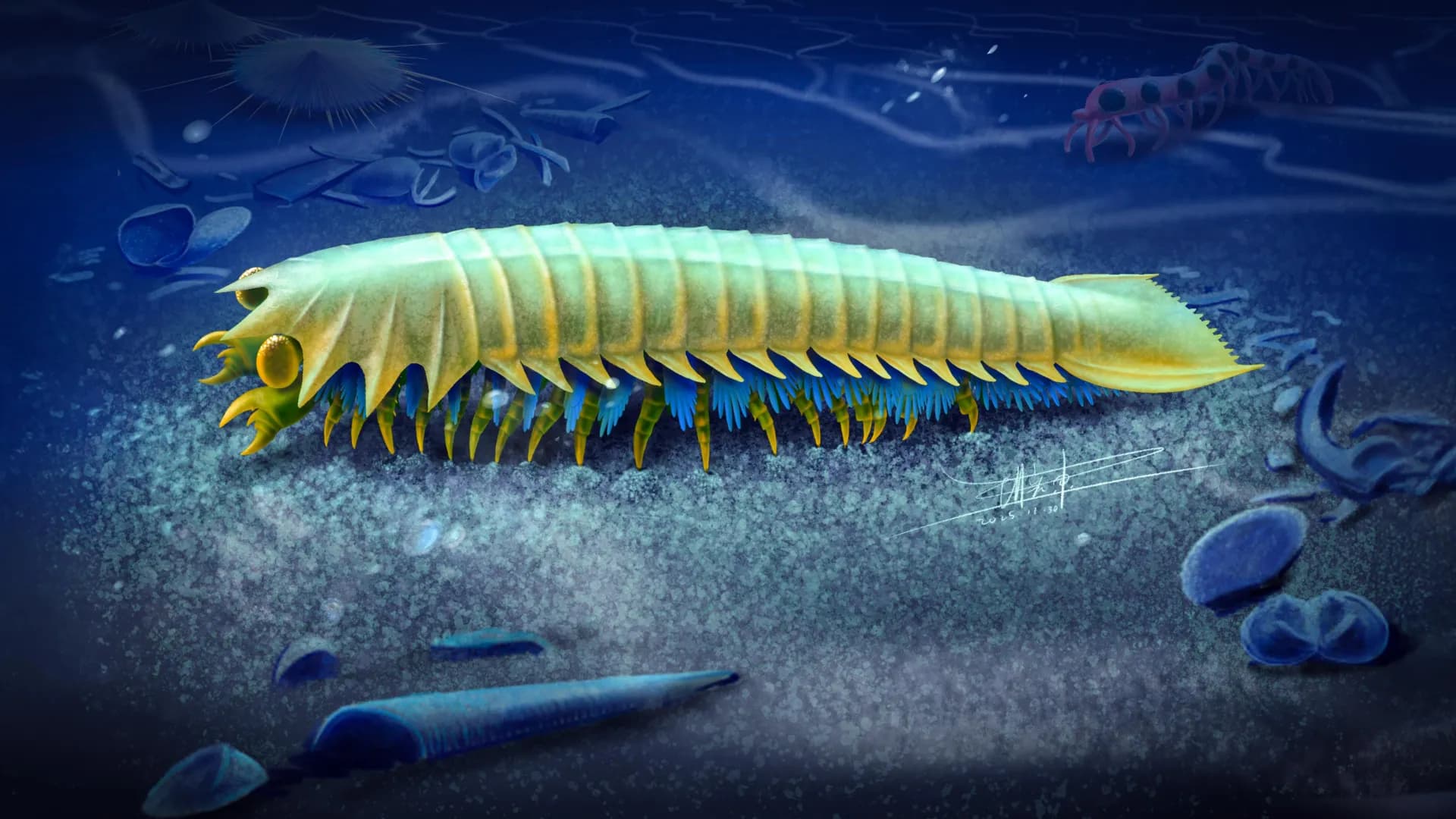
A tiny 518-million-year-old sea creature has revealed the earliest known evidence of the structures that eventually became spiders’ fangs. Hidden inside the fossil were pincerlike limbs and preserved soft tissues that help explain how the ancestors of spiders and scorpions evolved into formidable hunters.
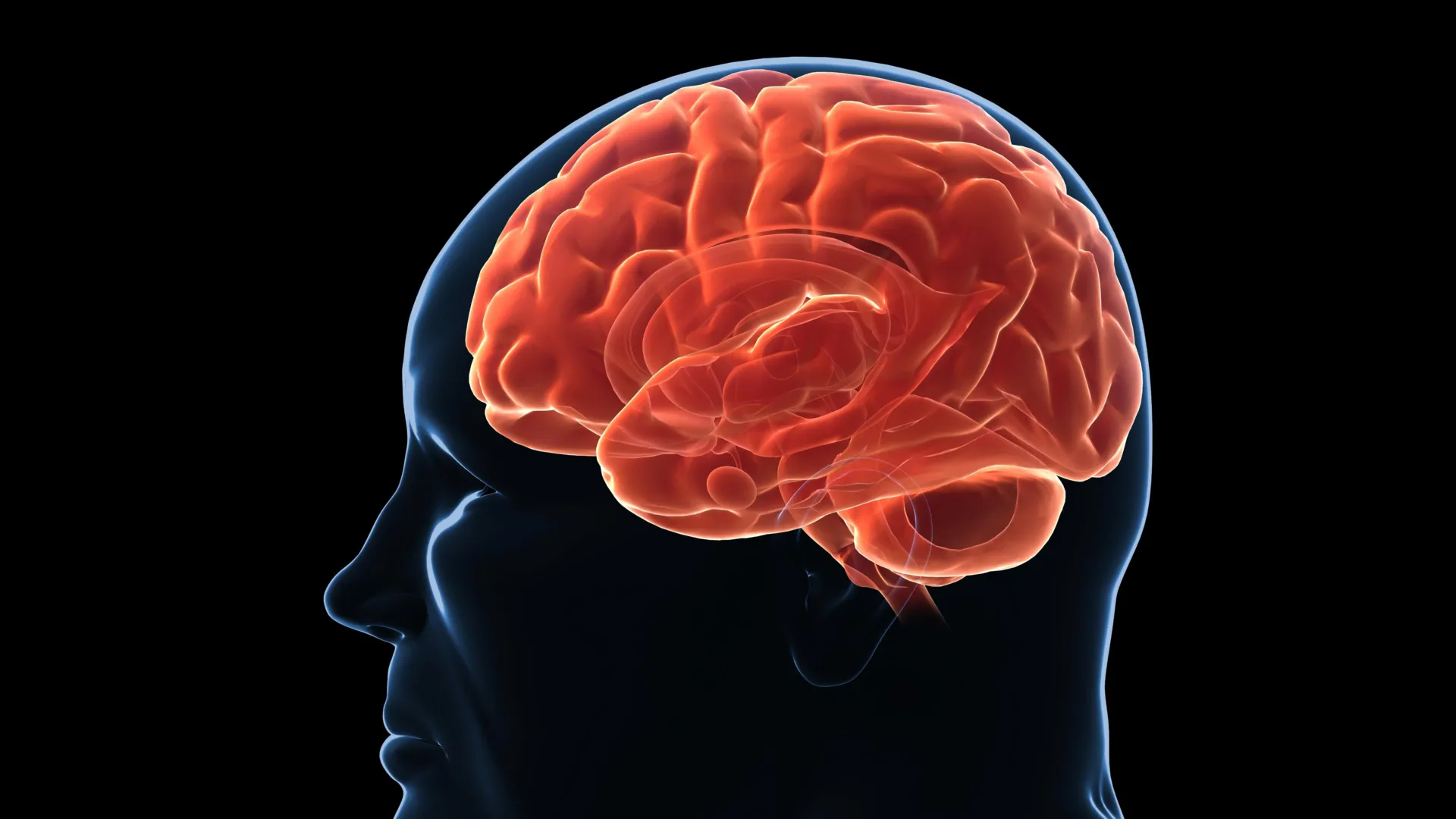
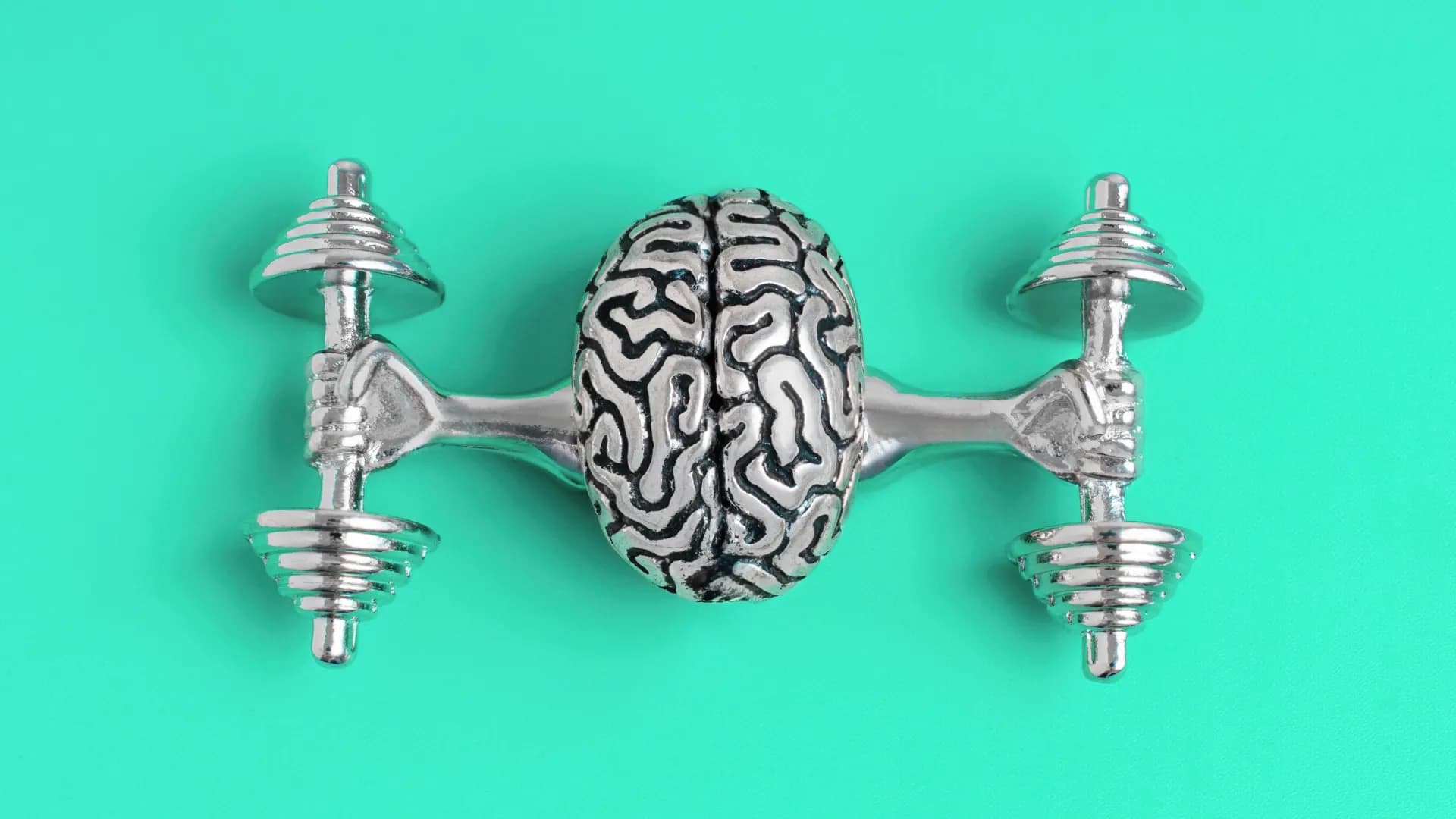
Weight loss is not simply a test of willpower. The human brain evolved to protect body fat during times of scarcity, and it can treat a previously higher weight as the new normal, triggering stronger hunger, cravings, and lower energy use after weight loss. This biological “memory” helps explain why many people regain weight after dieting and why medications such as Wegovy and Mounjaro can help by reducing appetite signals, although their effects may fade when treatment ends.
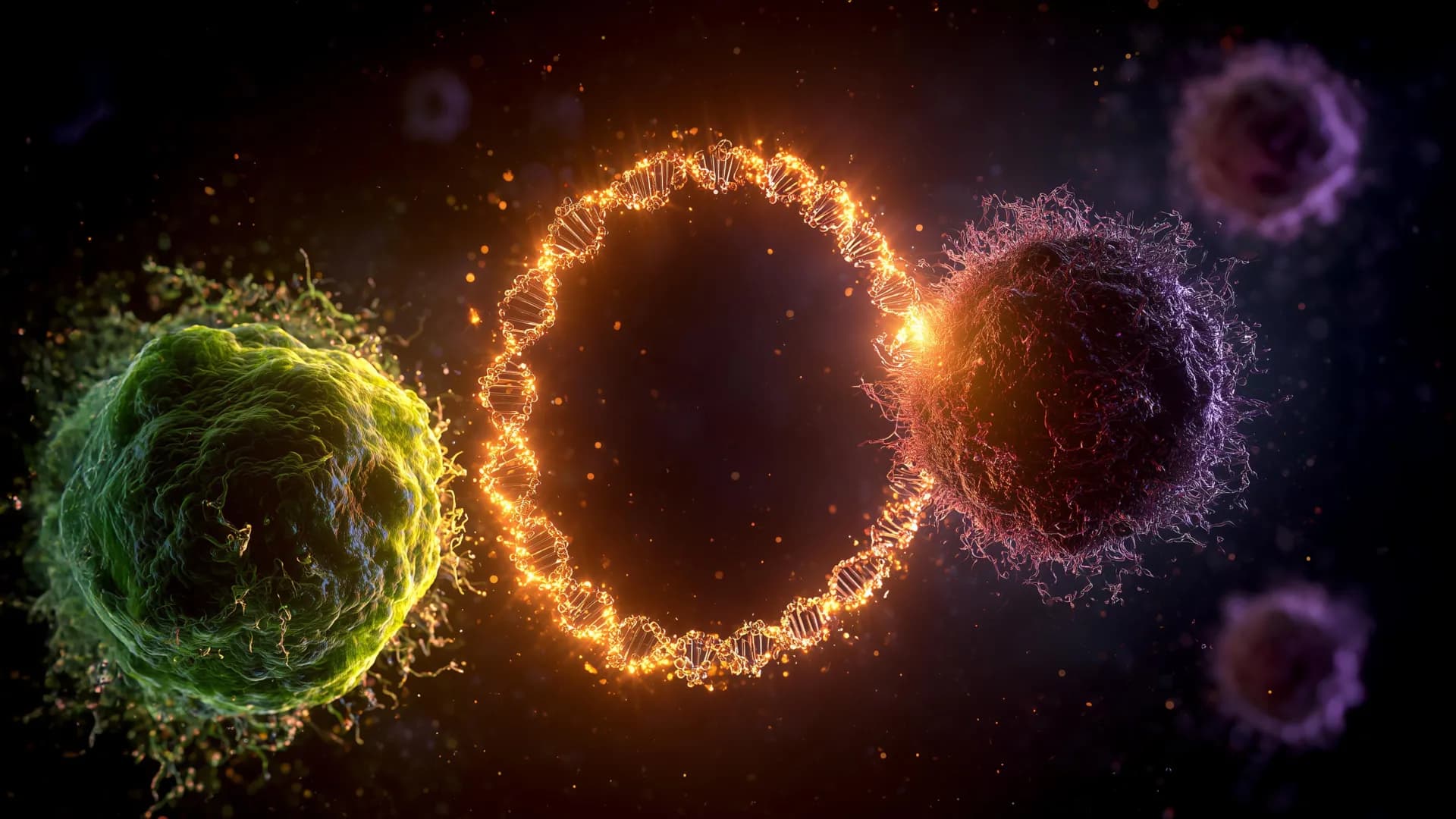
Scientists have uncovered a surprising way that “jumping genes” may move between species and speed up evolution. While these mobile genetic elements were thought to travel mainly inside viruses or plasmids, researchers found circular intron RNA from a tiny predatory bacterium inside the dead cells of another microorganism. Because the RNA forms a stable ring that resists breakdown, it may provide jumping genes with a previously unknown route for spreading between species.
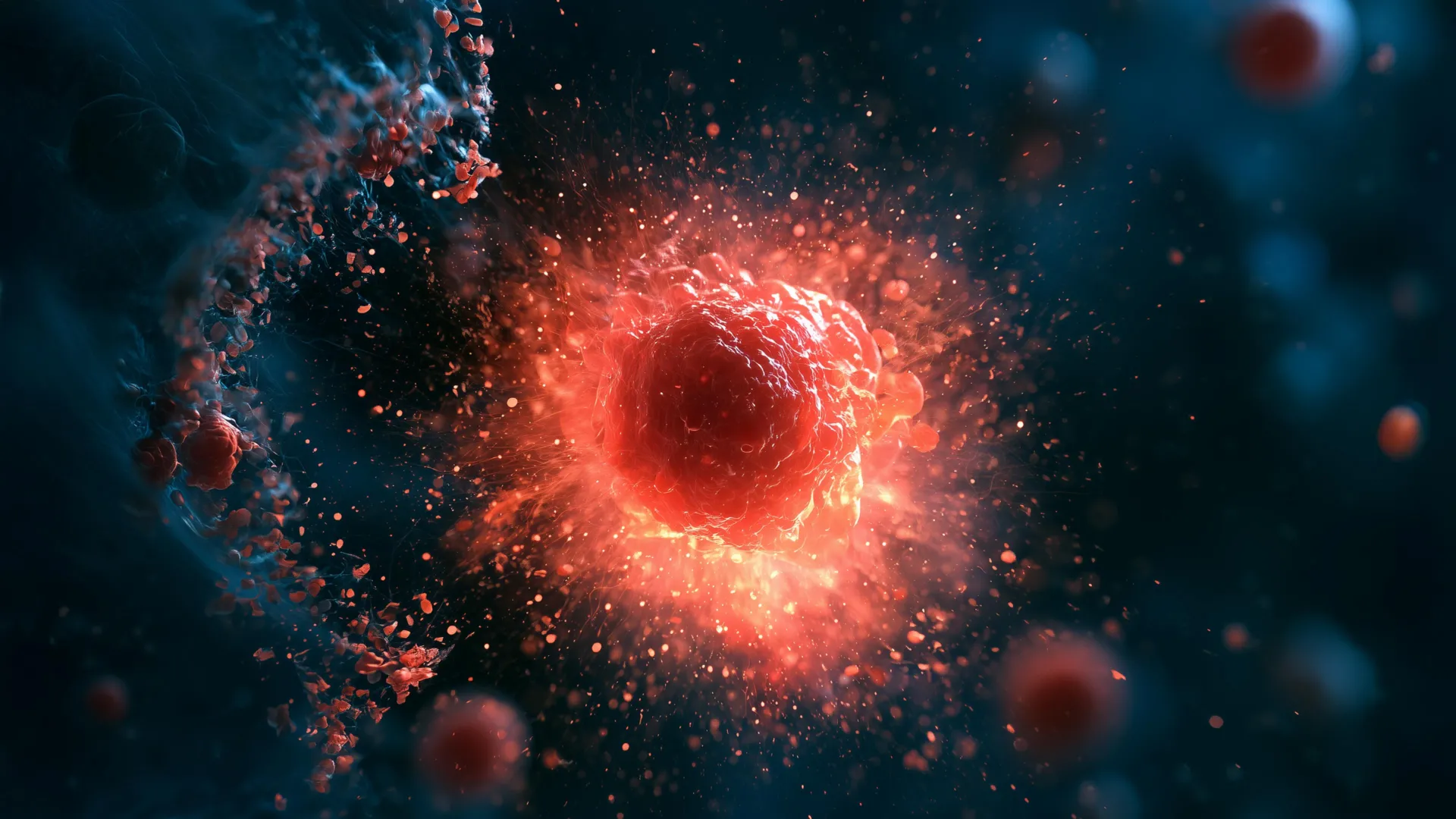
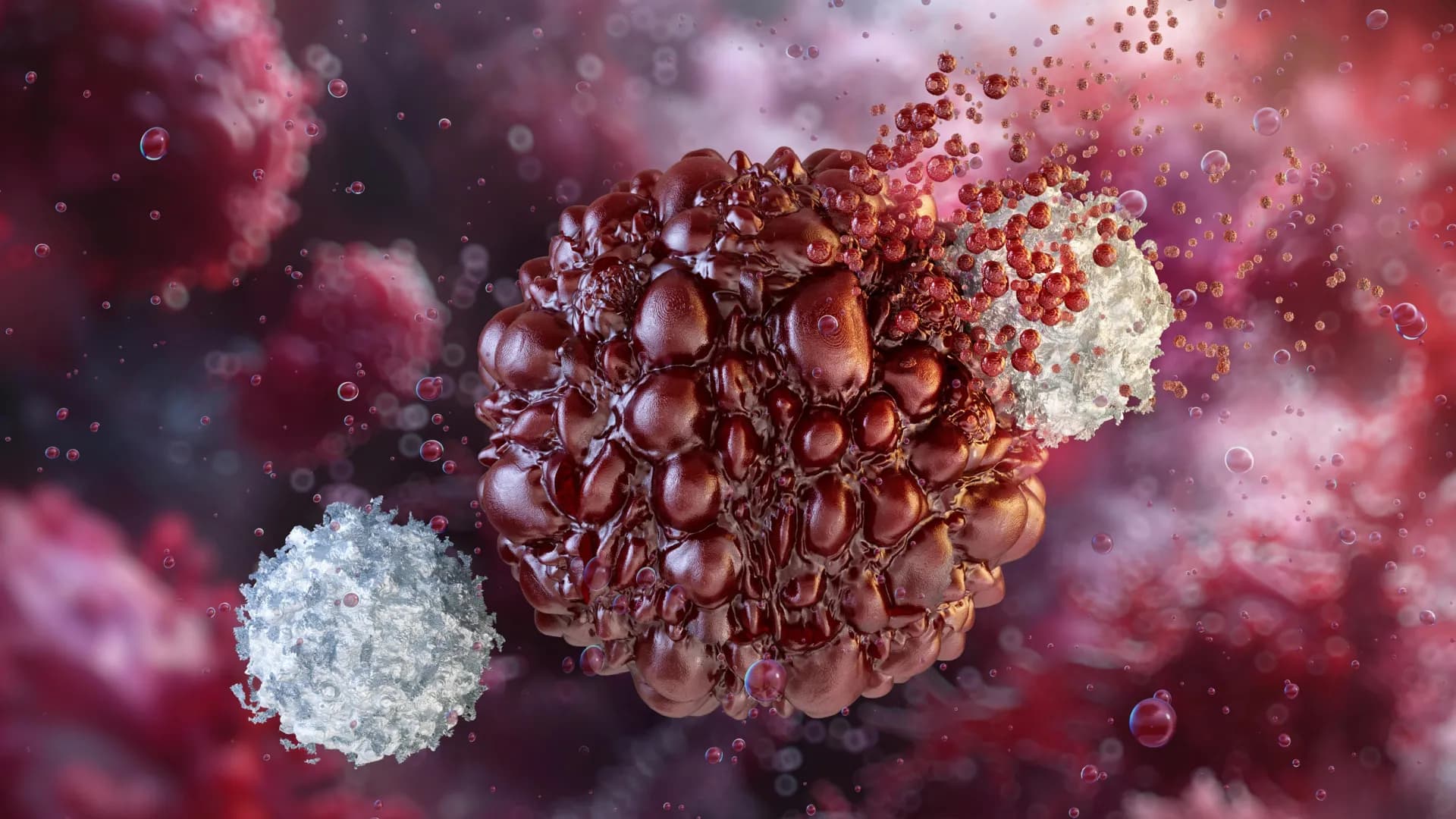
Stanford researchers discovered immune cells in flatworms that explode within minutes, killing nearby bacteria and foreign cells before vanishing completely. Their unusually fast and localized attack could offer clues for developing targeted treatments against infections and cancer.
A specially engineered chewing gum reduced HPV by up to 93% and nearly eliminated two bacteria linked to head and neck cancer. The treatment preserved beneficial mouth bacteria, raising hopes for a safer and more affordable therapy.
A long-term brain study found that common risks such as smoking, high blood pressure, heart disease, and high blood lipids were strongly linked to damage associated with vascular dementia. The findings suggest that healthier lifestyle choices could help delay dementia by reducing several harmful brain changes at once.
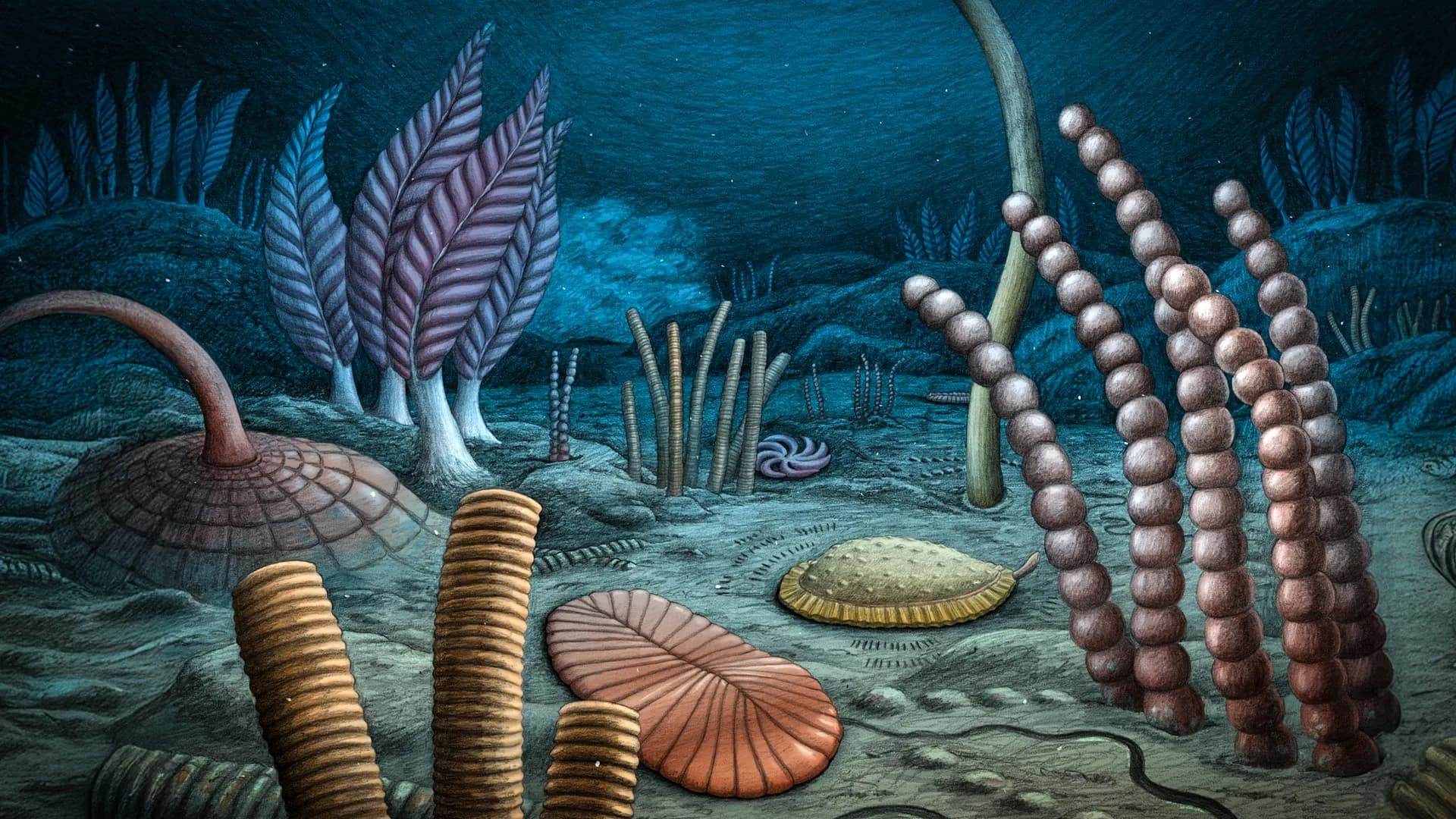
A spectacular fossil site in Canada contains 567-million-year-old creatures that may represent some of the earliest animals to move, reproduce sexually, and develop recognizable body plans. The discovery pushes key evolutionary milestones back by up to 10 million years and suggests complex animal life may have first flourished in the deep ocean.
A group of brain cells called orexin neurons appears to help us keep working when reaching a reward becomes increasingly difficult. Blocking their activity weakened motivation in rats, pointing to a possible new target for understanding why people sometimes struggle to sustain goal-directed behavior.
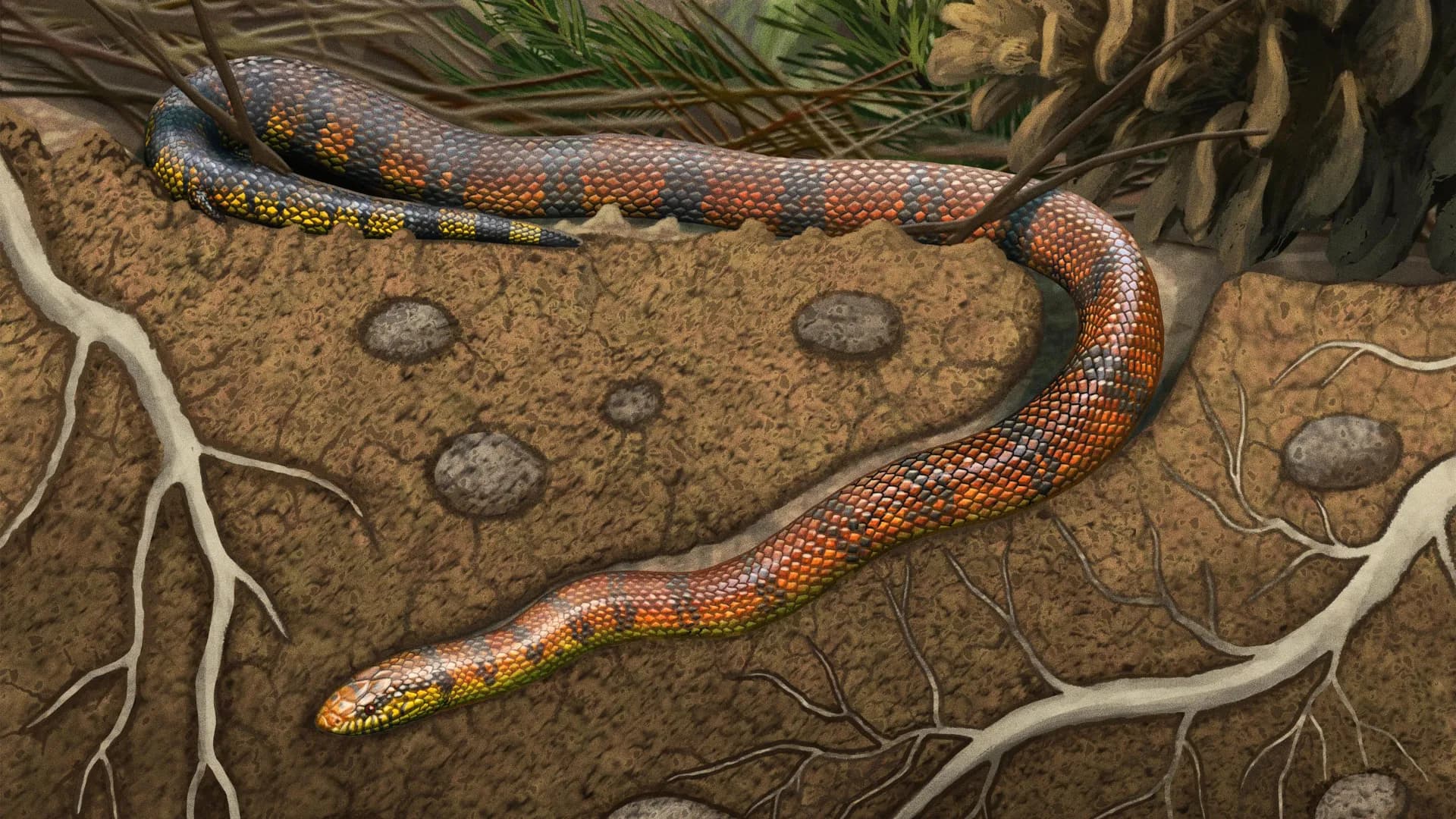
An exceptionally preserved snake fossil from Brazil reveals that early snakes were far more diverse than scientists once thought. Detailed brain reconstructions show that Tametara mirim was adapted for burrowing, while another ancient snake was suited to life above ground. Other fossils point to marine lifestyles as well. By 80 million years ago, snakes were already experimenting with very different habitats and sensory systems.
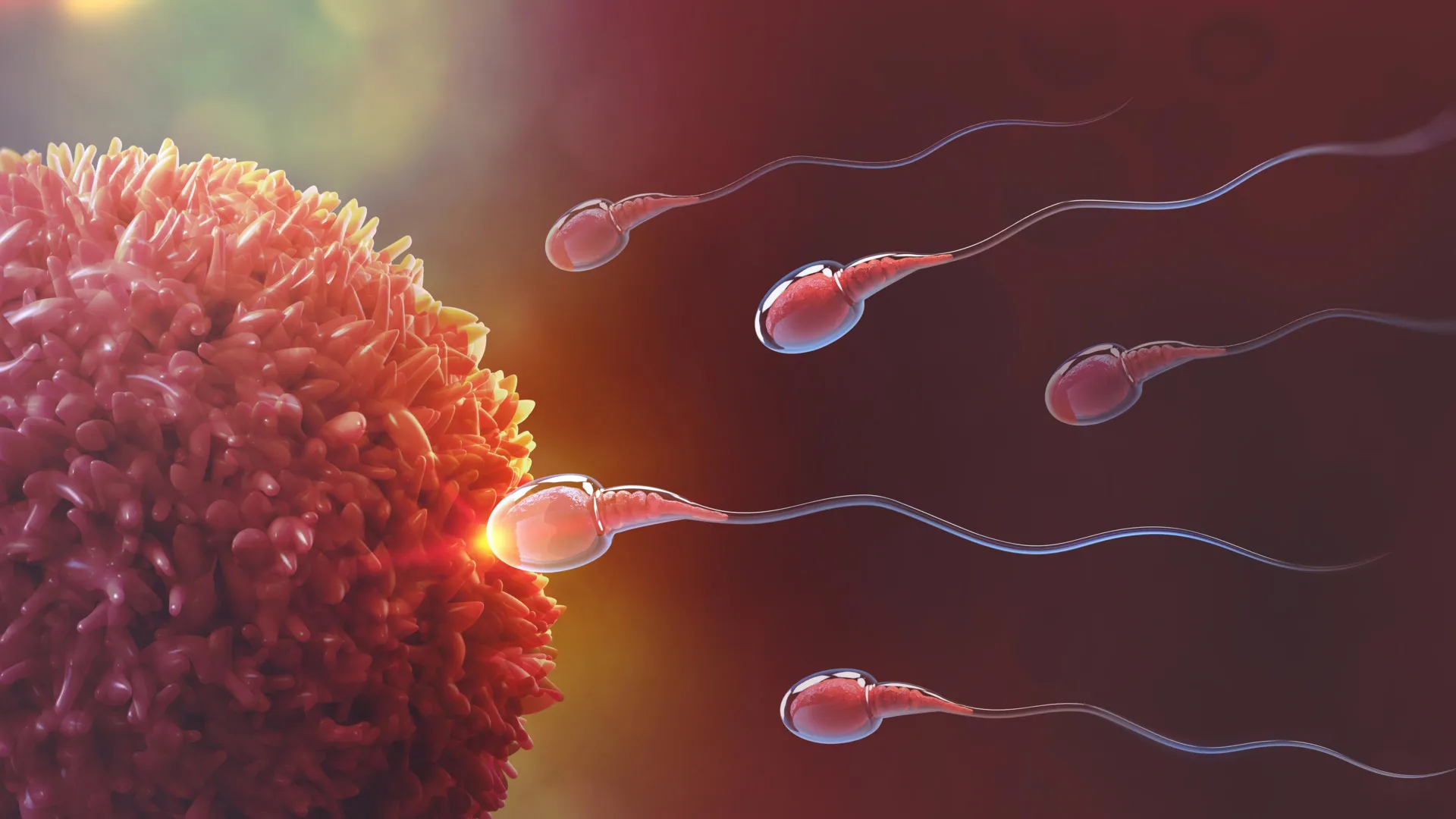
Millions of sperm do not always compete alone—some species send them into action as coordinated teams. A sweeping evolutionary study found that this cooperation is widespread among arthropods and has repeatedly emerged and vanished over hundreds of millions of years. The discovery challenges the classic “fastest sperm wins” story and could influence future fertility research and pest-control strategies.
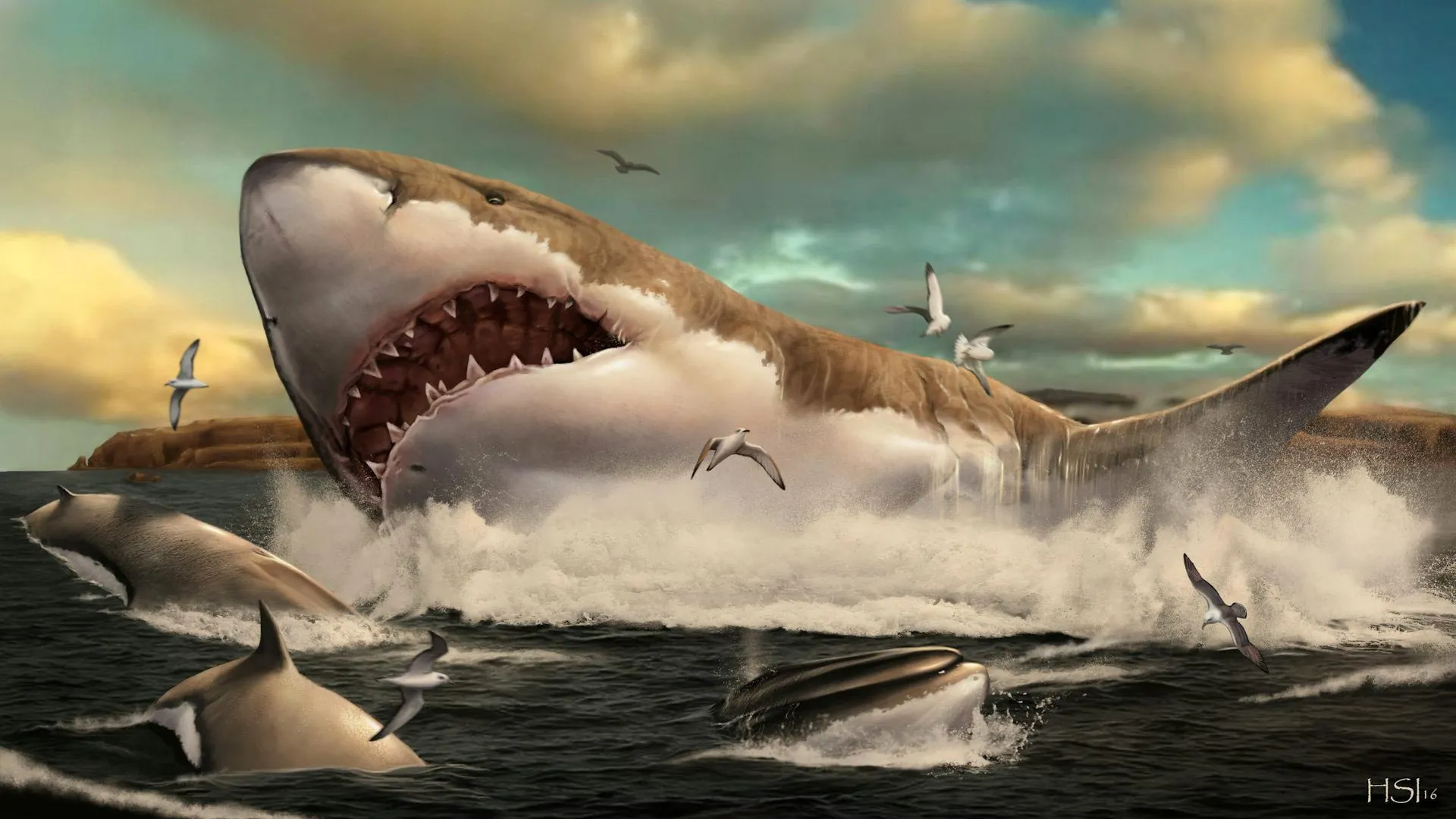
Several enormous Megalodon vertebrae thought to have been destroyed in 1989 were found sitting unnoticed on a museum shelf. Their analysis strengthens evidence that the giant shark could exceed 24 meters (79 feet) in length and live for nearly a century. Researchers also estimate that its newborns may have measured an astonishing 3.6 meters (12 feet).
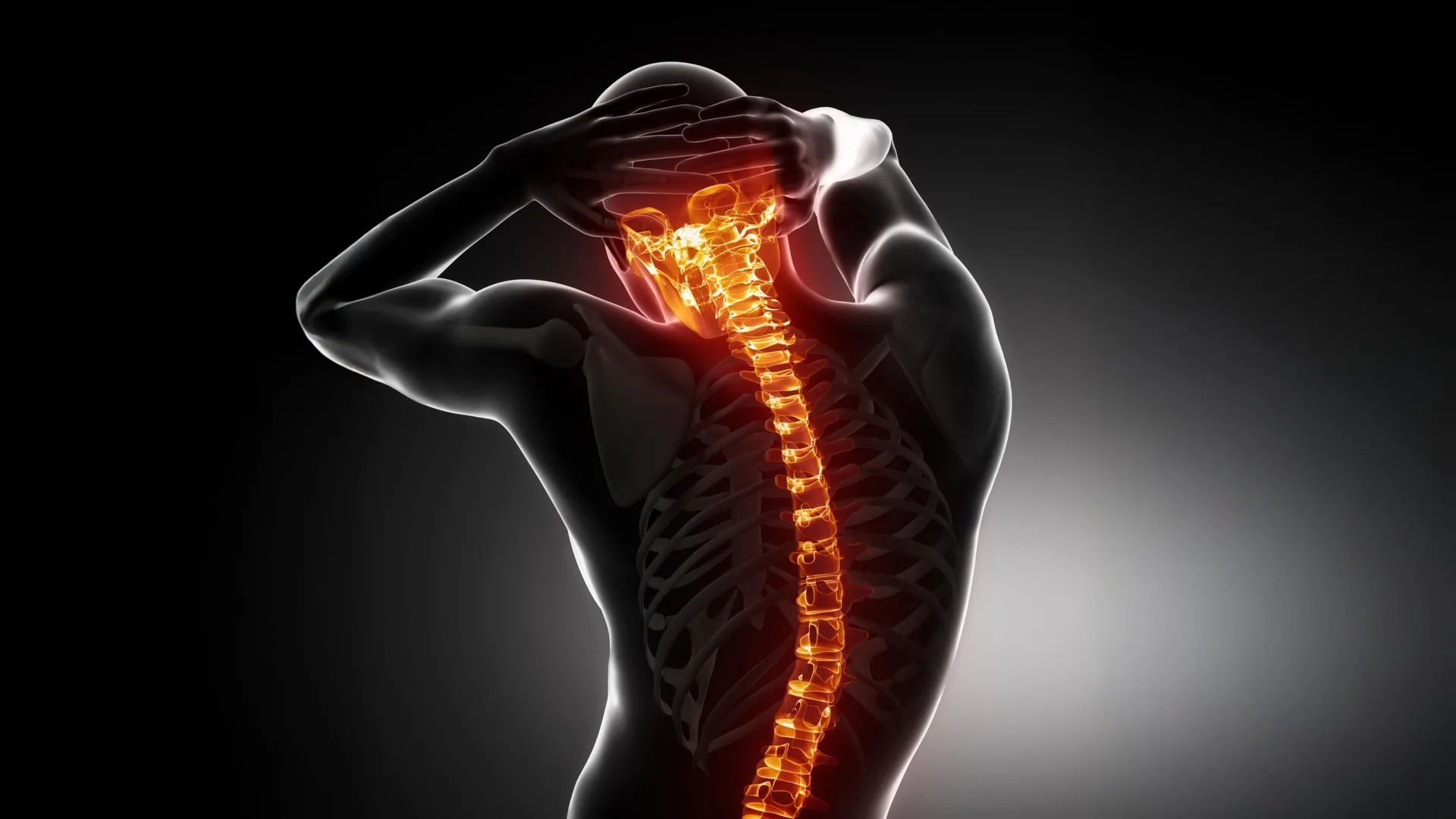
Genetic changes may set off a chain reaction that causes the spine’s natural shock absorbers to harden and deteriorate. Zebrafish with a faulty collagen-related gene developed mineral buildup and spinal fusion similar to human disc disease. Researchers were able to reduce the damage using an existing osteoporosis drug and by targeting fat metabolism. The discovery points to several exciting possibilities for future back pain treatments.
A protein that evolved long before the human circulatory system may help unlock stronger cancer treatments. When C3 is produced inside tumors, it blocks immune-suppressing cells and gives immunotherapy a better chance to work. Researchers were even able to recreate this effect in resistant tumors, significantly improving survival in mice.
Earth’s molten iron core unexpectedly reversed direction beneath the Pacific, revealing a dramatic change in the hidden engine that creates our planet’s magnetic field. Satellite data suggest the surge is already weakening, raising the possibility that the deep-Earth upheaval is part of a mysterious natural cycle.
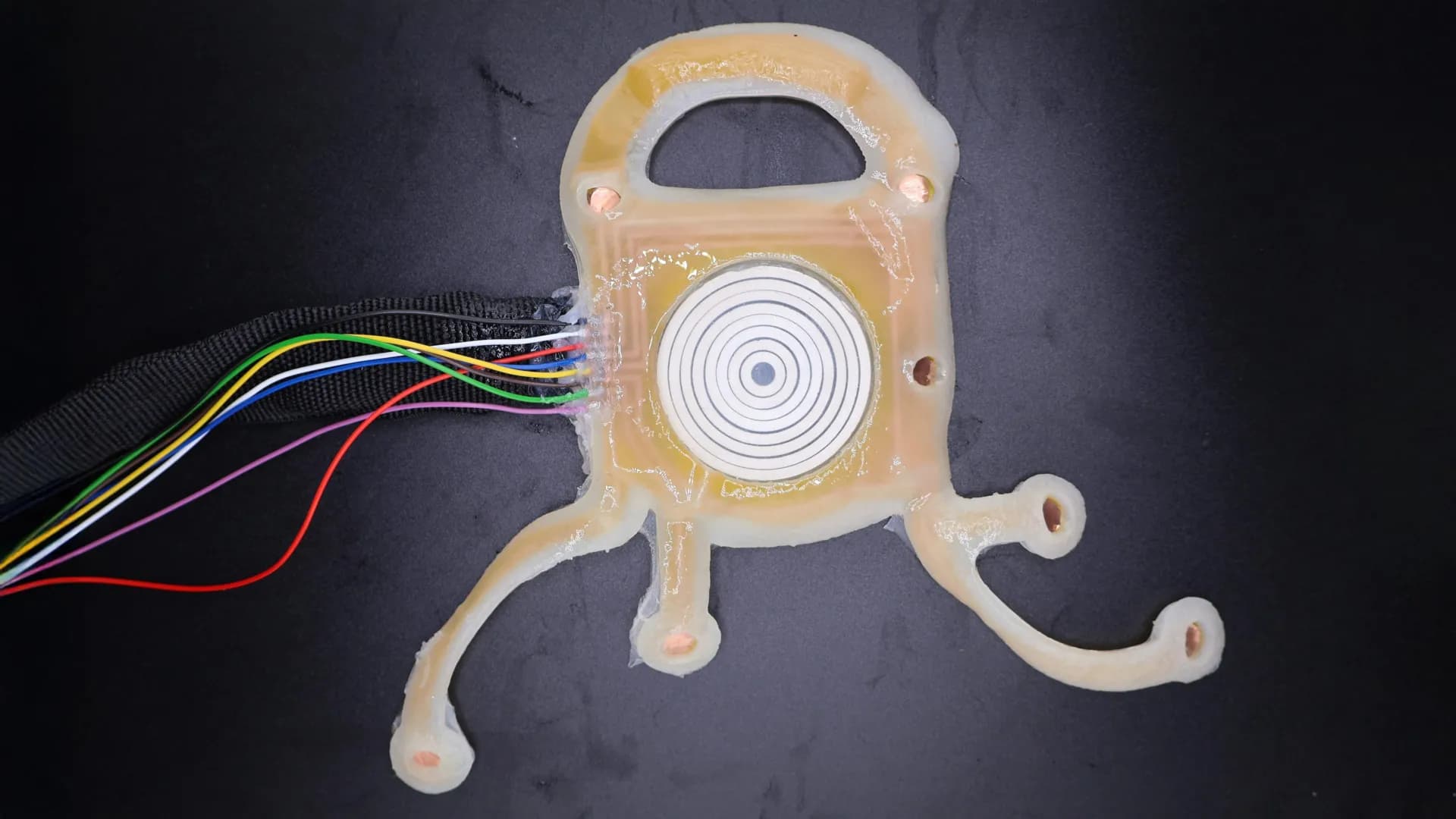
A new wearable patch may help people reach REM sleep faster and remain there longer without medication or surgery. In a study of 28 participants, the device shortened the time to REM by 43 minutes and extended it by about 16 minutes. Researchers also observed signs of improved stress regulation and changes in brain circuits tied to emotion.
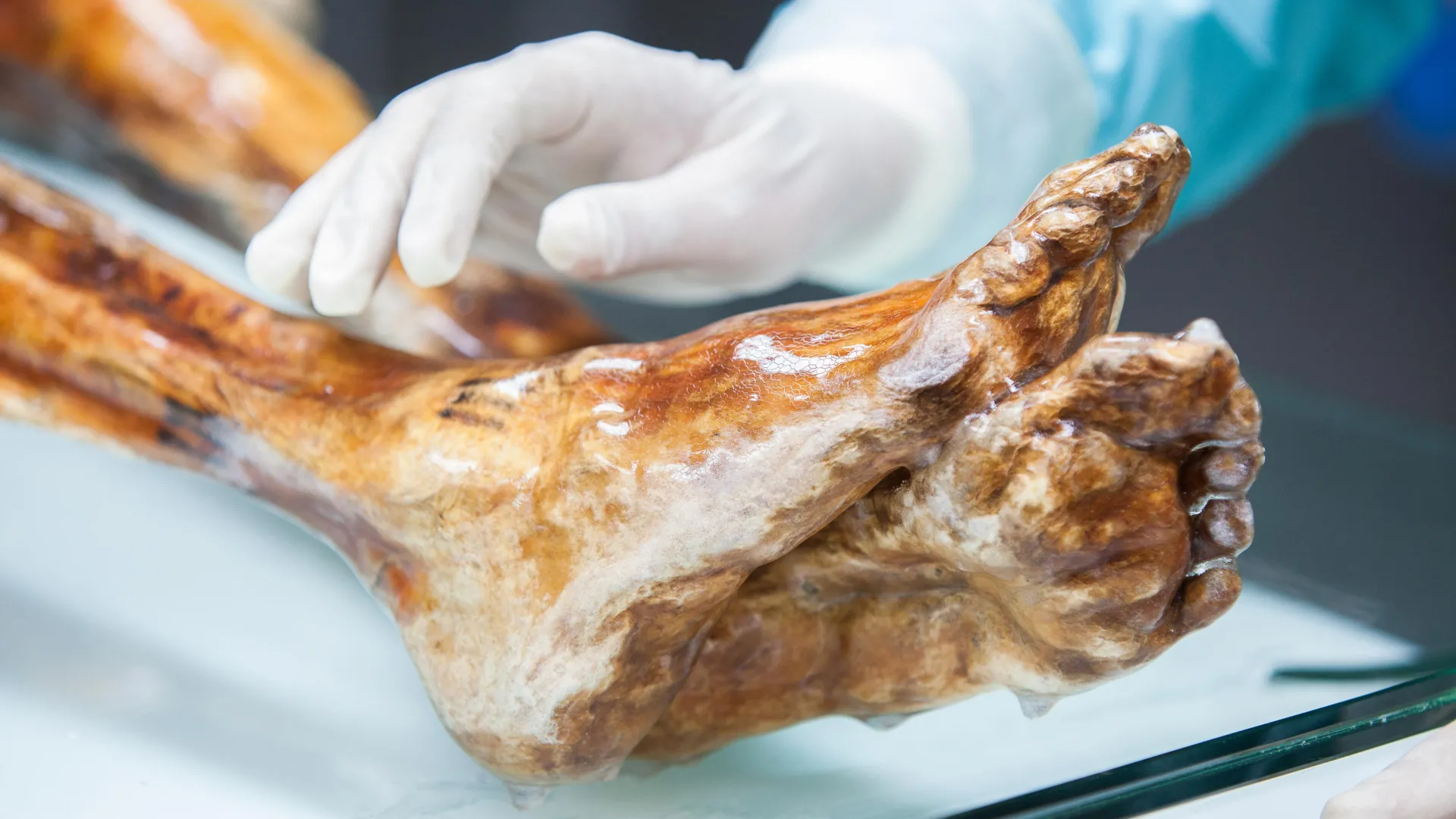
More than 5,000 years after his death, Ötzi the Iceman is still hosting a remarkable mix of ancient and modern microorganisms. Researchers separated microbes that lived in his body during his lifetime from those that arrived after his death, uncovering traces of his original gut bacteria and cold-loving yeasts that may have survived alongside him in the glacier for millennia.
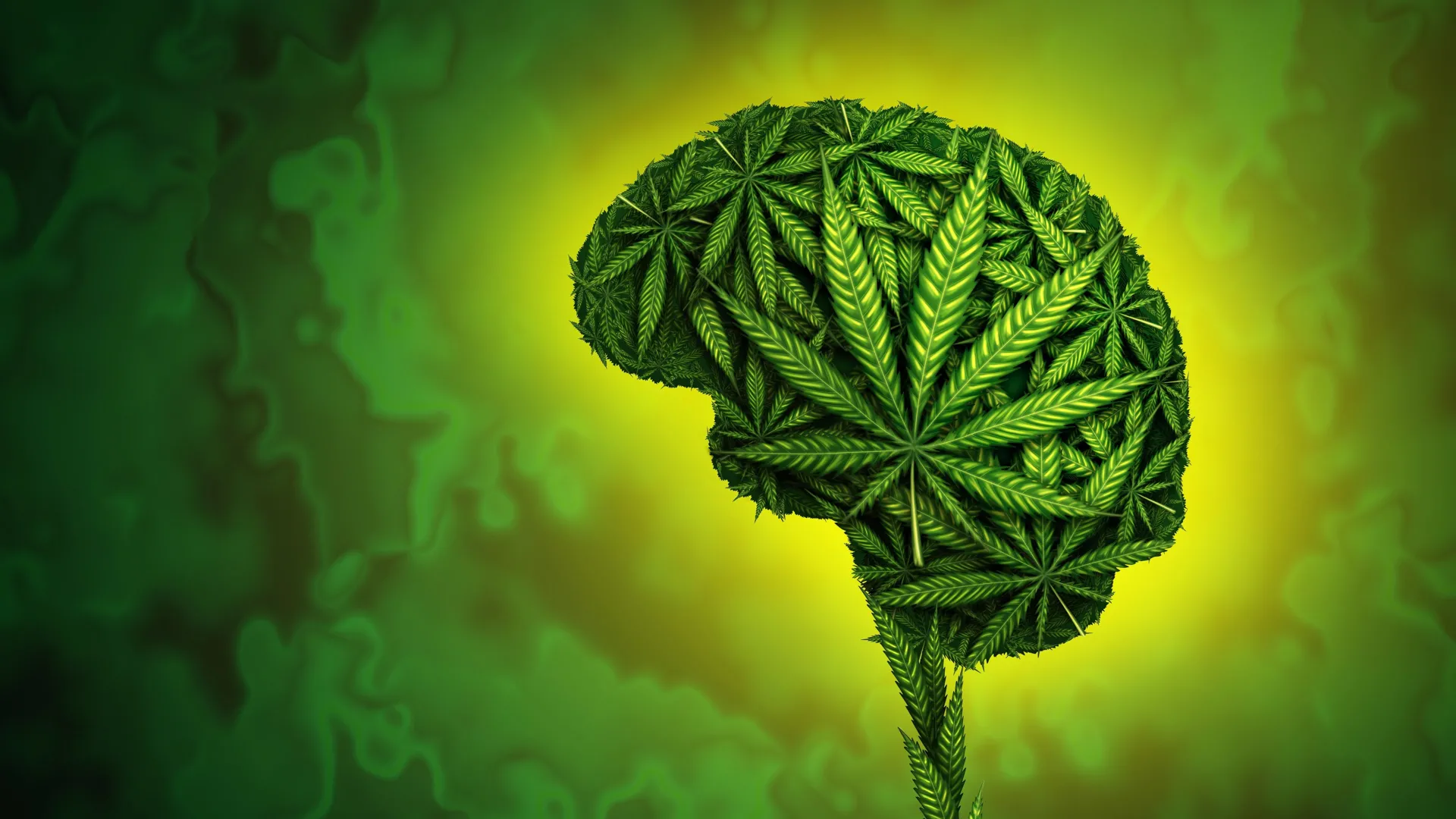
Teens who start using cannabis may experience slower growth in memory, attention, language, and processing speed. Their abilities often developed normally at first, then began leveling off while nonusers continued improving. THC appeared to be the most likely driver, especially for worsening memory.
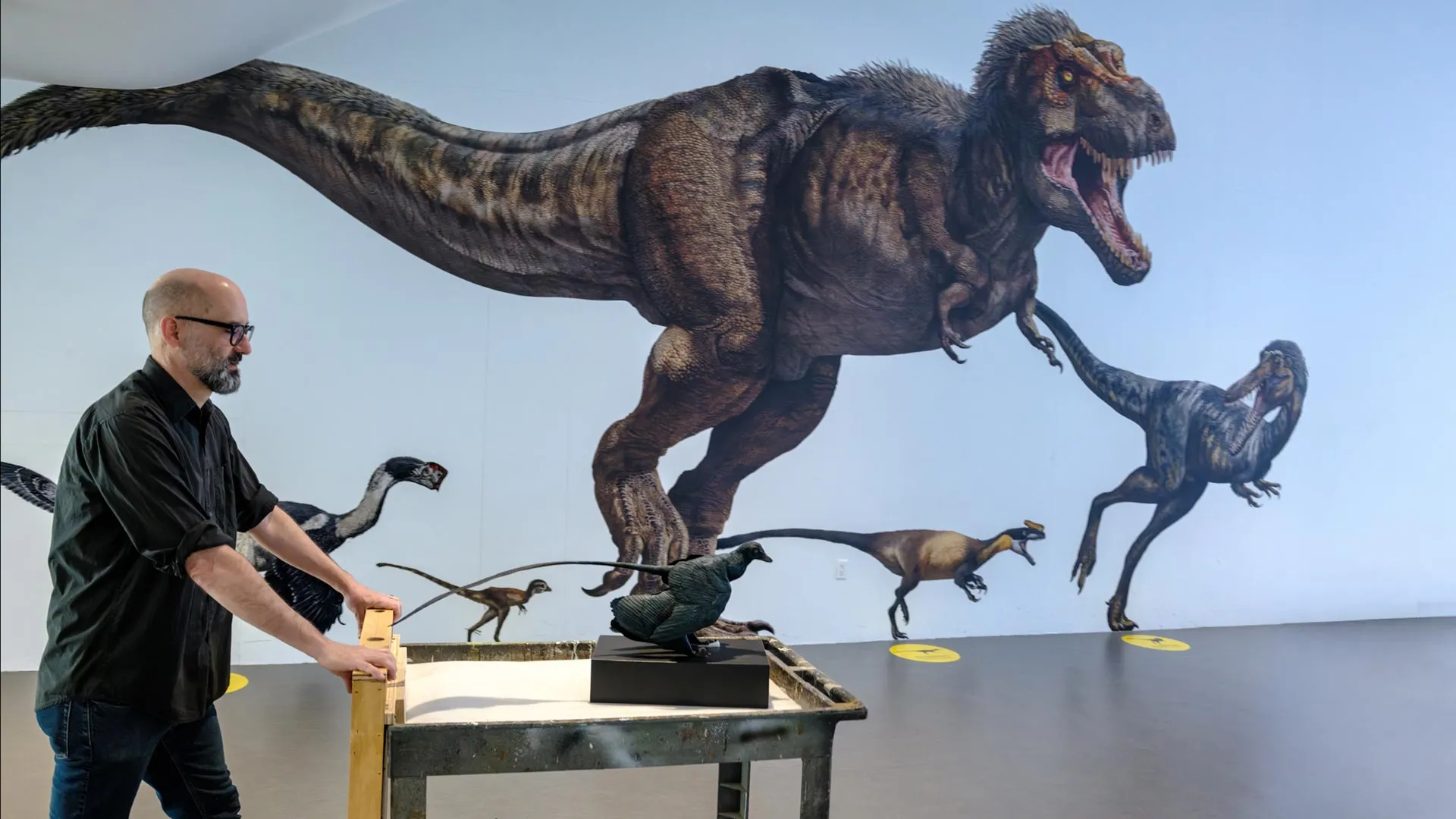
Dinosaurs conquered the land at enormous sizes, but strangely, they almost never evolved into truly tiny animals. New research suggests that physiology alone can’t explain this missing miniature end of the dinosaur spectrum—and that early mammals may have been partly responsible. While dinosaurs kept mammals from becoming large, small mammals may have returned the favor by occupying ecological niches that could otherwise have supported mouse-sized dinosaurs.
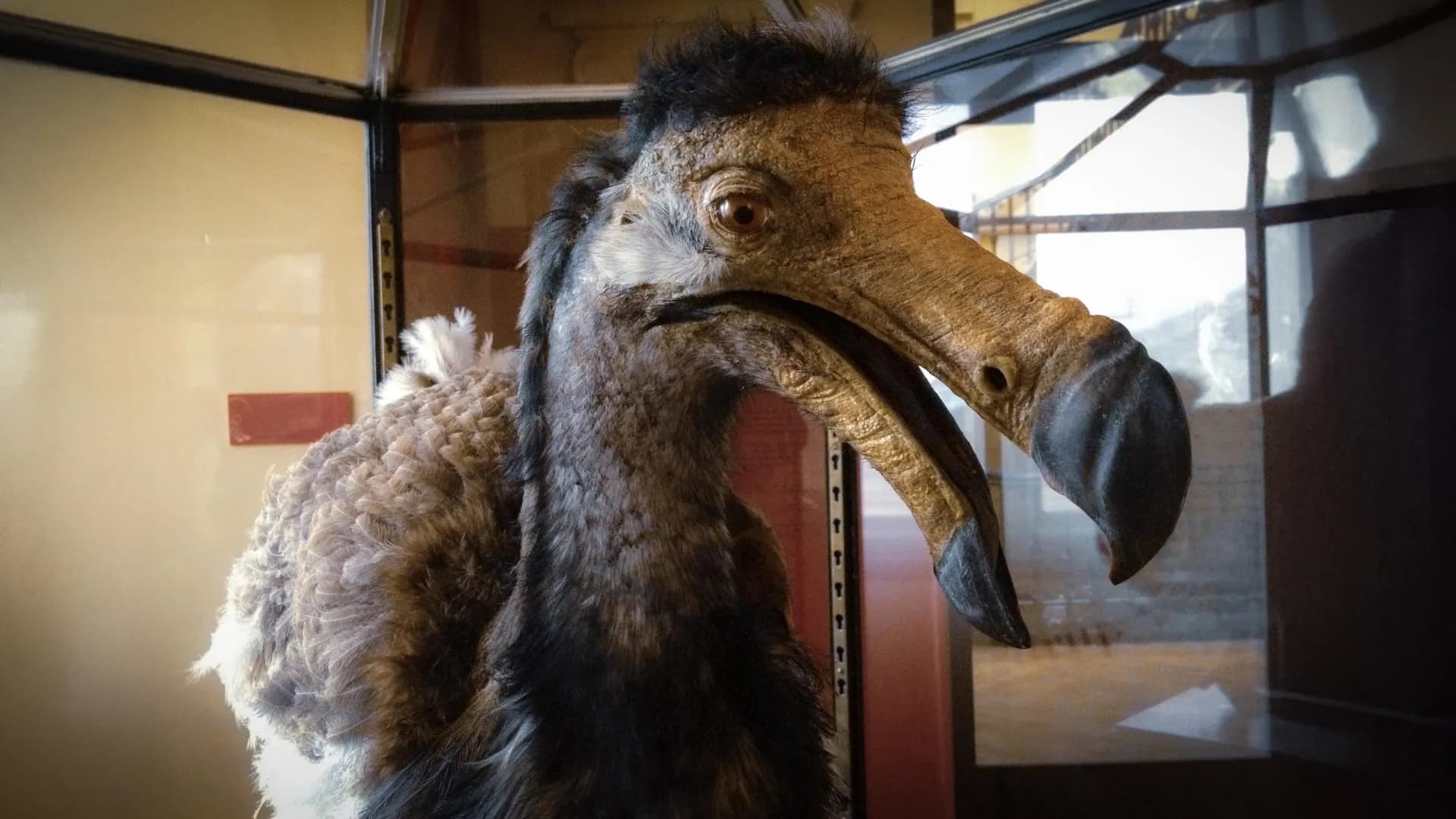
CT scans of the world’s rarest dodo skulls suggest the extinct bird may have had a stronger sense of smell, a highly sensitive beak, and a lifestyle that extended into dawn and dusk. The discoveries are helping overturn centuries-old myths and reveal a far more complex animal than the famously “dumb” dodo of popular imagination.
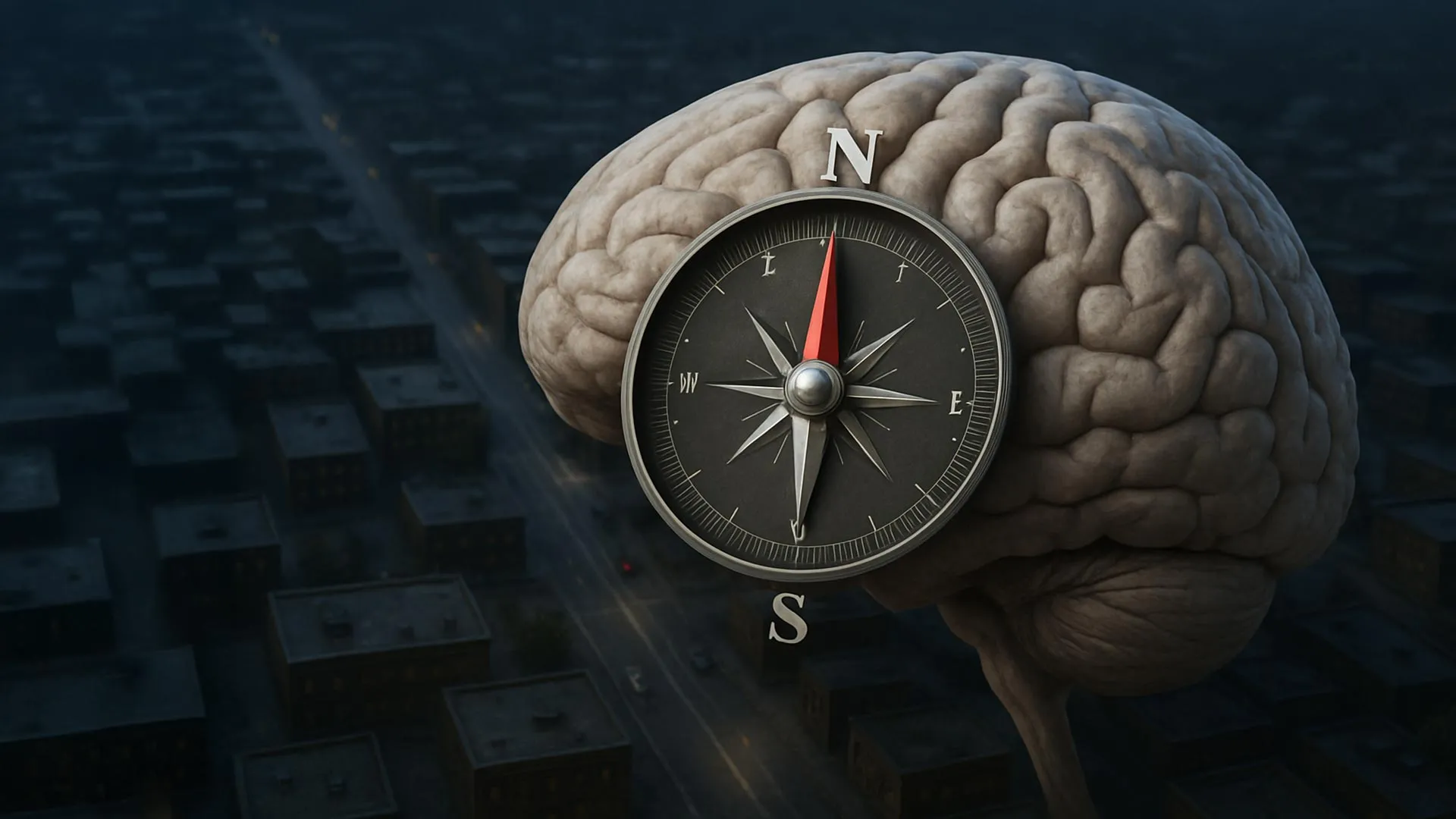
Stress may literally scramble the brain’s internal GPS. Researchers found that cortisol, a hormone released during stress, made people significantly worse at navigating a virtual environment and disrupted the precise activity of grid cells, specialized brain cells that help us understand where we are in space. When landmarks were missing, this navigation system nearly stopped functioning, while another brain region appeared to step in and compensate.
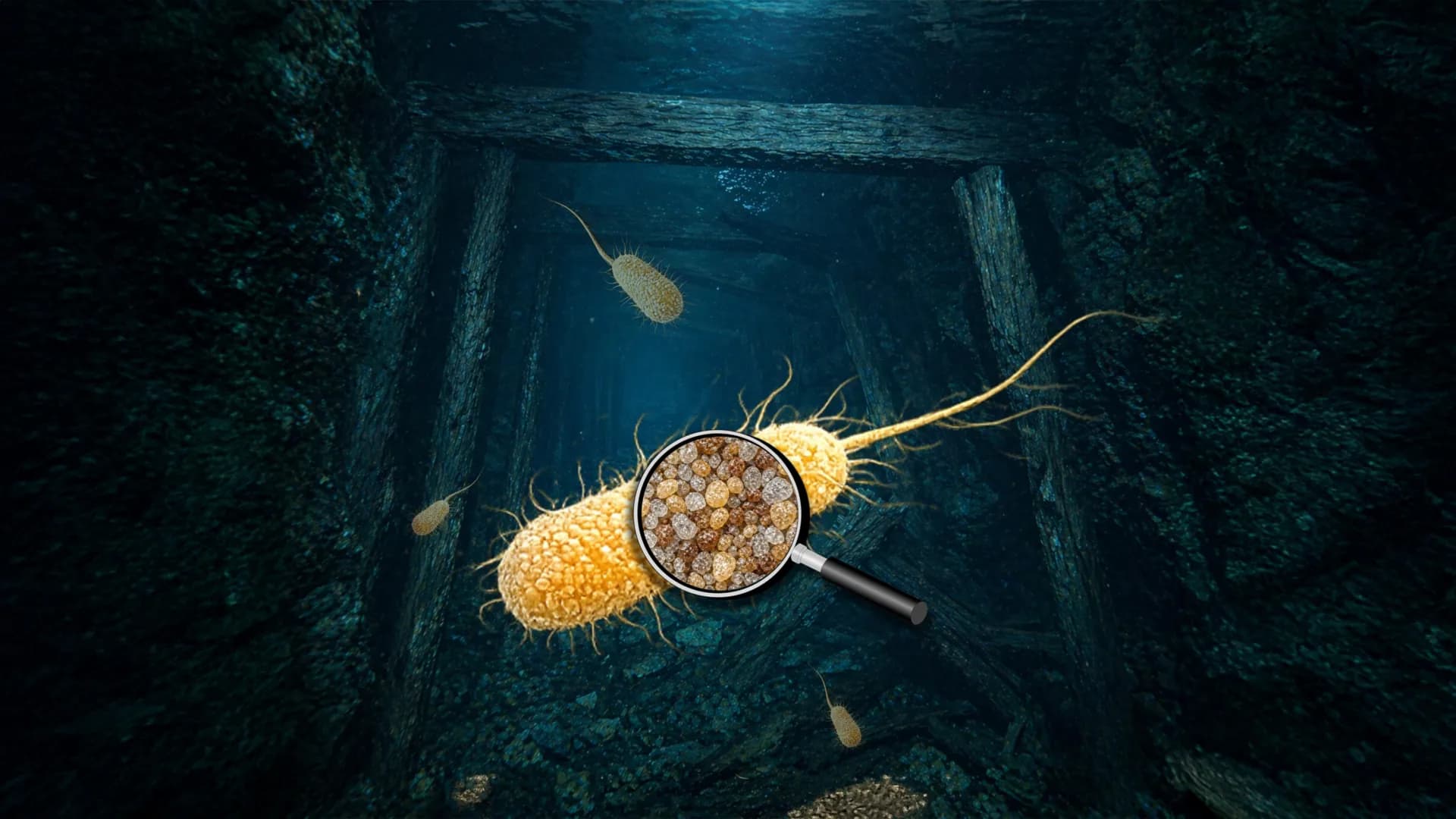
Deep underground, bacteria may be capable of doing something remarkable: trapping toxic uranium before it spreads. When researchers fed microbes in uranium-contaminated mine water with glycerol, about 95% of the dissolved uranium disappeared within 130 days. The bacteria helped convert it into an unusually stable uranium compound that had rarely been observed before.
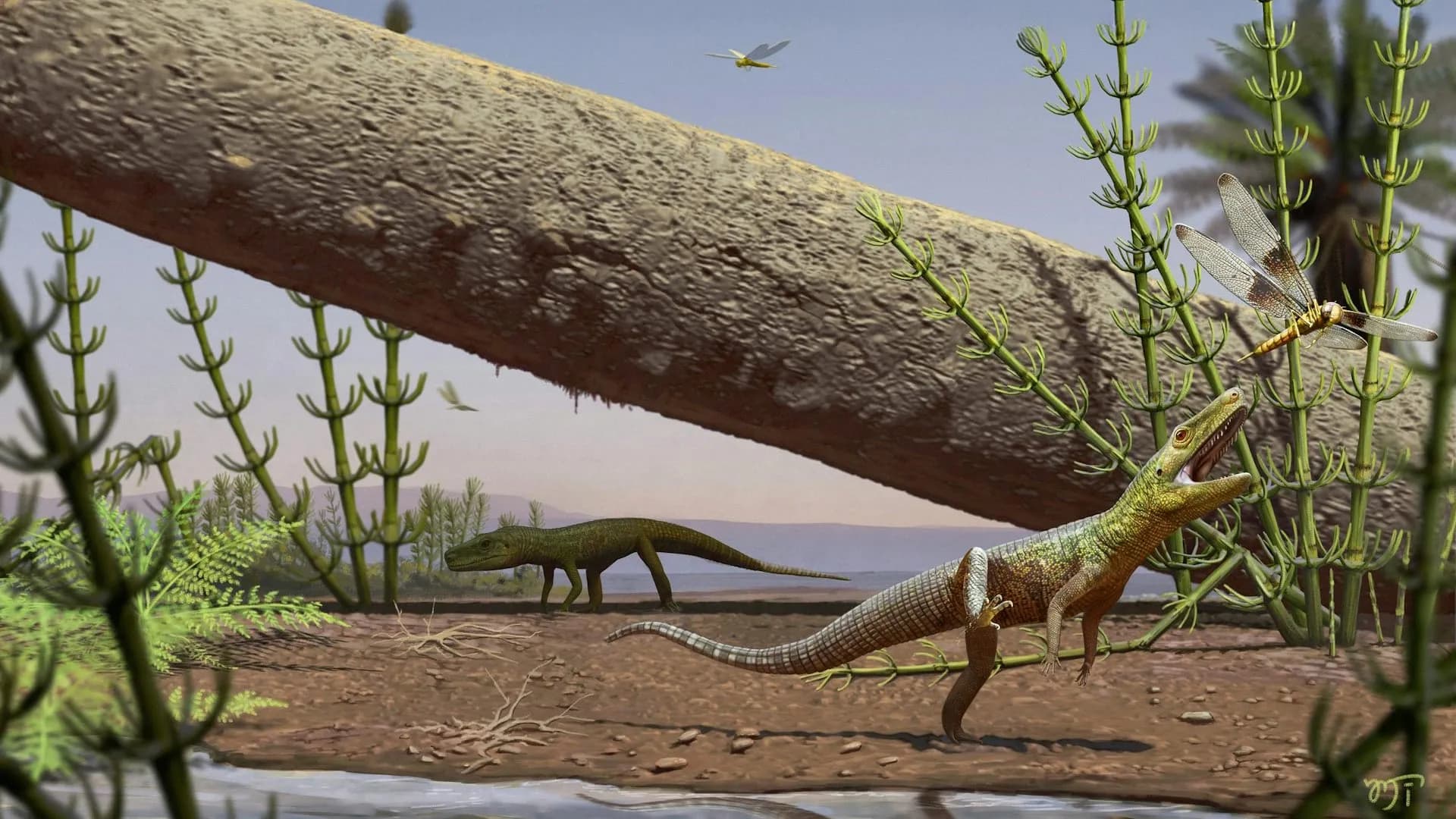
A 240-million-year-old reptile discovered in Brazil is revealing what evolution looked like just before the rise of dinosaurs and crocodiles. The small predator had unusually positioned legs that may have allowed it to move more efficiently than many earlier reptiles. Its close relatives were previously known mostly from other continents, suggesting these ancient animals spread much farther across the Triassic world than scientists realized.