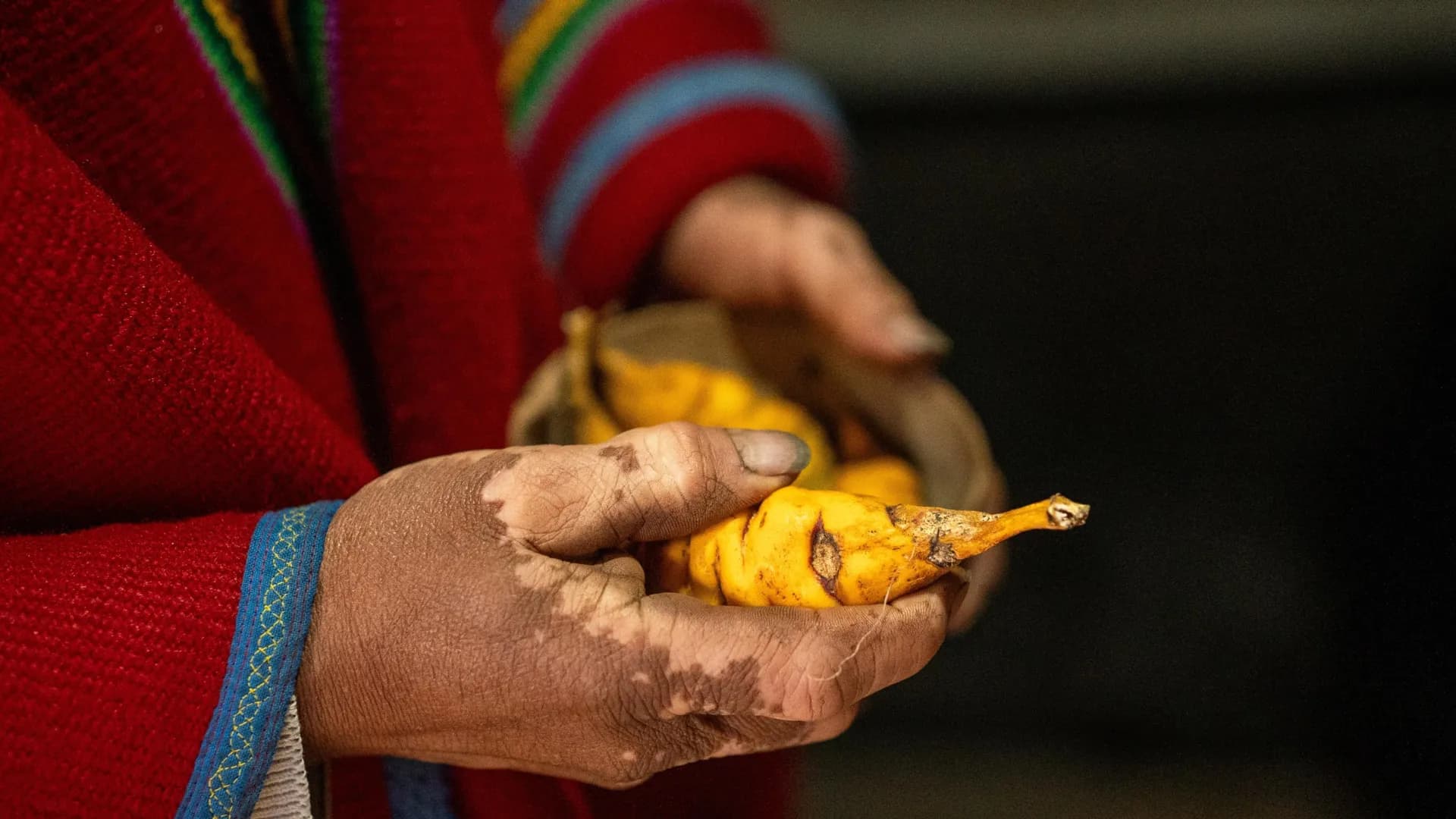
The rise of the potato in the Andes appears to have left a lasting mark on human DNA. Indigenous Peruvians carry exceptionally high numbers of a starch-digestion gene, likely because people with more copies gained an evolutionary advantage once potatoes became a staple food. The change began thousands of years before European contact, providing unusually strong evidence that diet can shape human evolution.
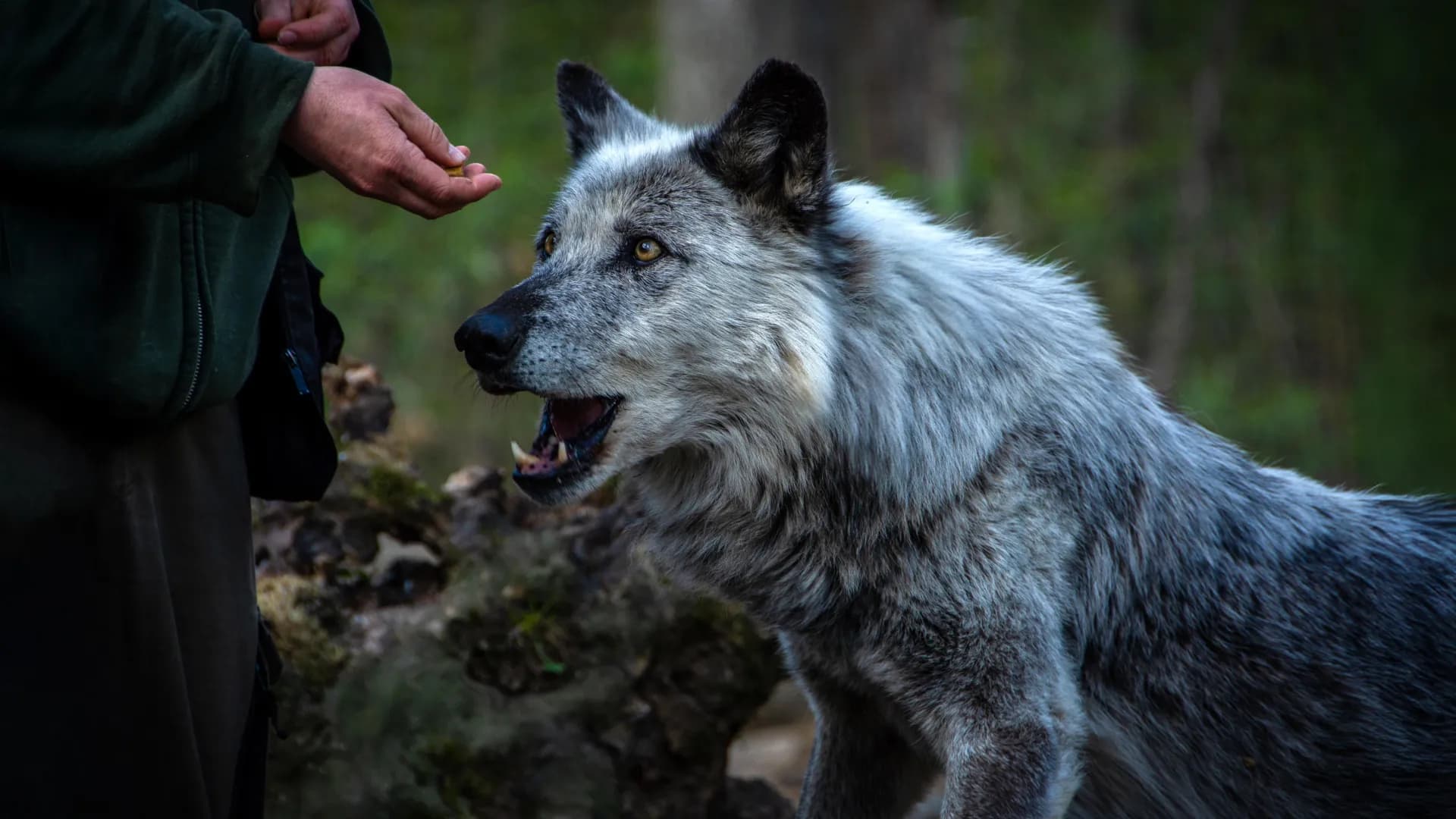
Dogs have been shaping—and being shaped by—humans for about 15,000 years, evolving from early partners of hunter-gatherers into an astonishing range of specialized companions. Across the globe, they adapted alongside people to wildly different environments and needs, from powerful Arctic sled dogs and agile rainforest hunters to high-altitude dogs with genetic traits for surviving thin air. Some were even bred for wool, while others played important spiritual or ceremonial roles.
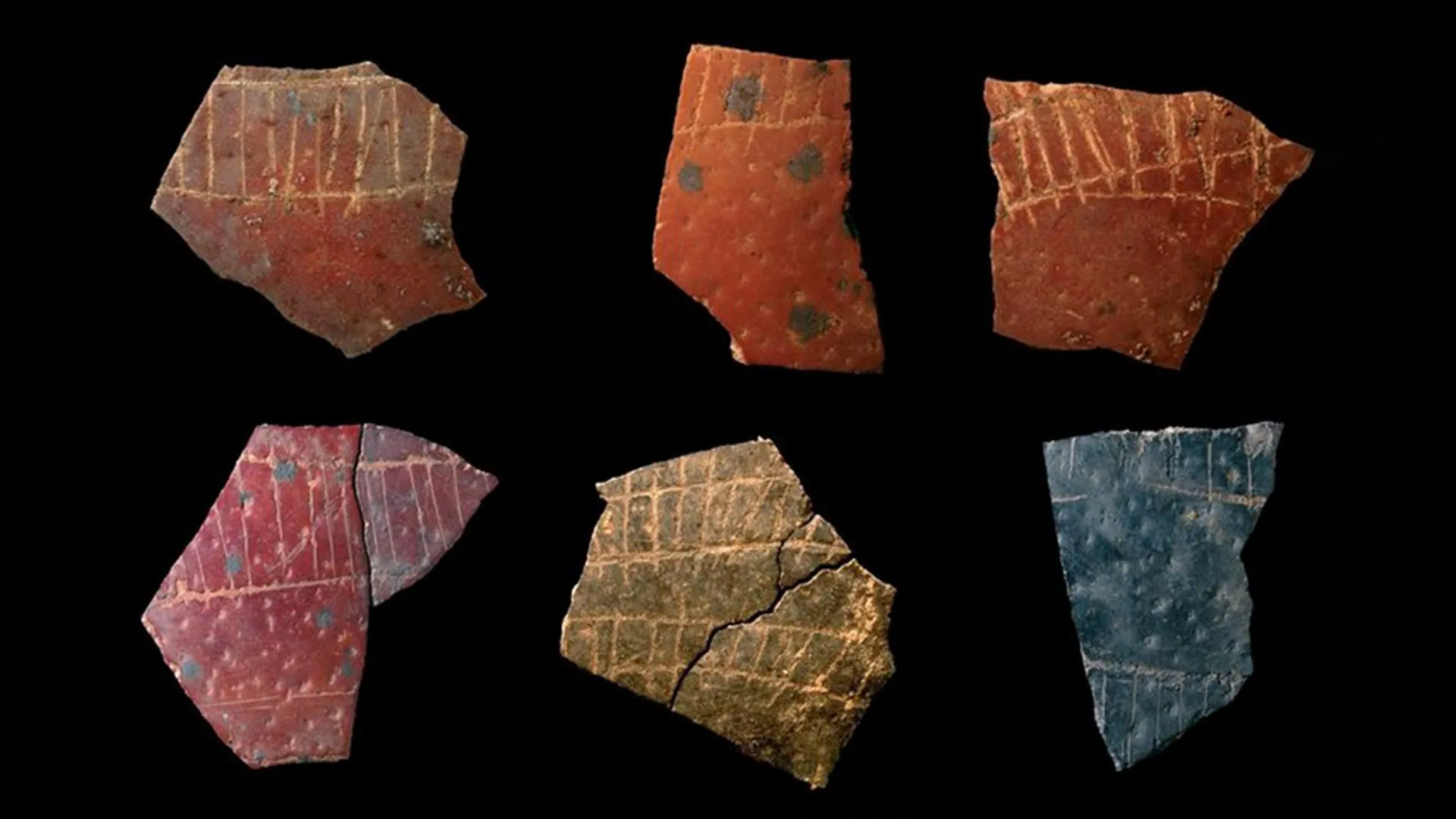
More than 60,000 years ago, humans in southern Africa were engraving ostrich eggshells with intricate geometric patterns that appear far more organized than previously realized. Researchers found recurring grids, parallel lines, right angles, and repeated shapes, suggesting the designs followed deliberate rules rather than being improvised. The engravers may even have planned entire patterns in their minds before carving them.
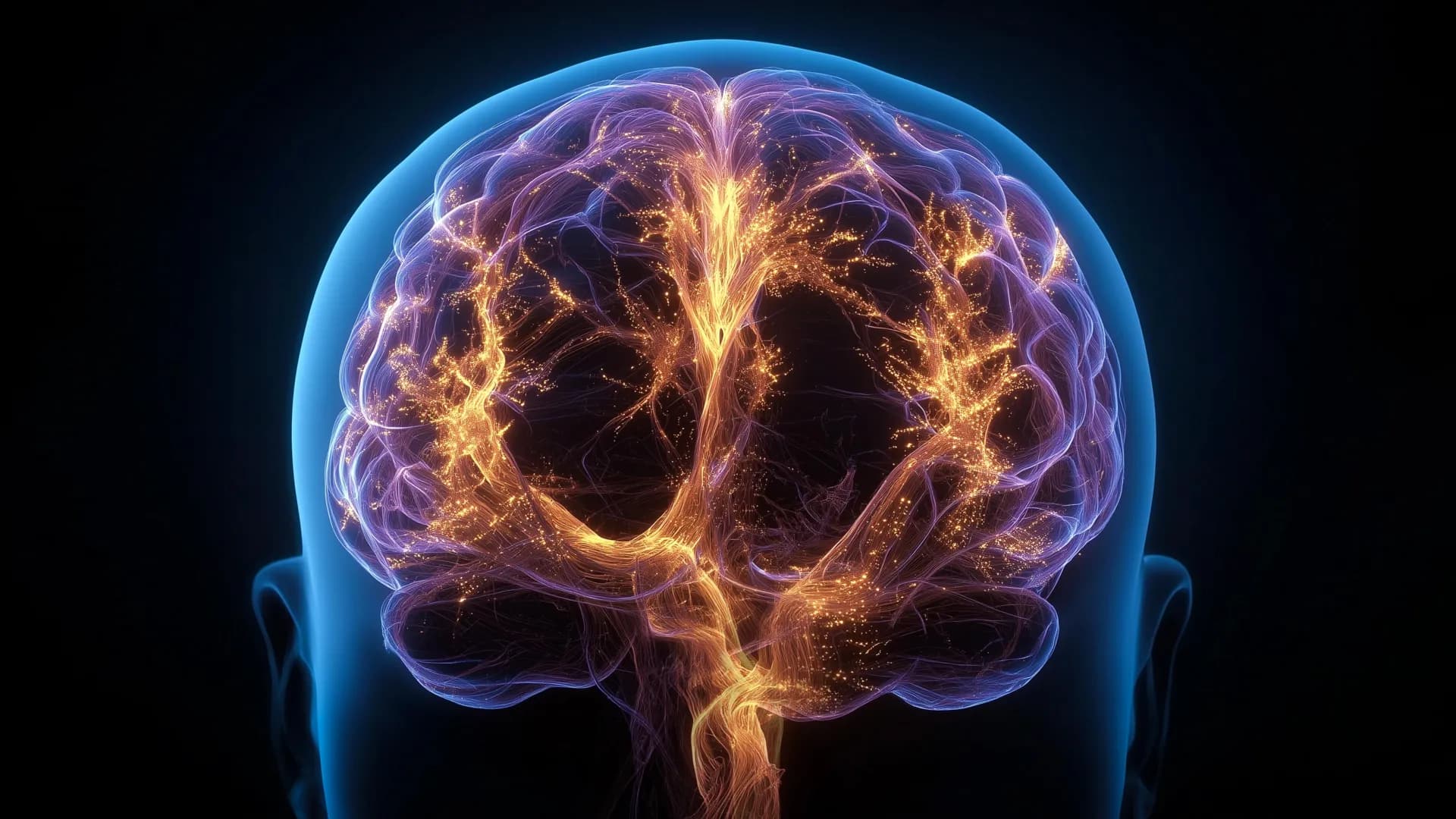
Regular exercise may help the brain clear away harmful waste that can build up with age. Researchers found that physical activity supports several processes linked to the brain’s glymphatic cleanup system, including better sleep, lower inflammation, and healthier blood vessels. Because this waste-removal system becomes increasingly important as we get older, exercise could play a meaningful role in protecting against cognitive decline.
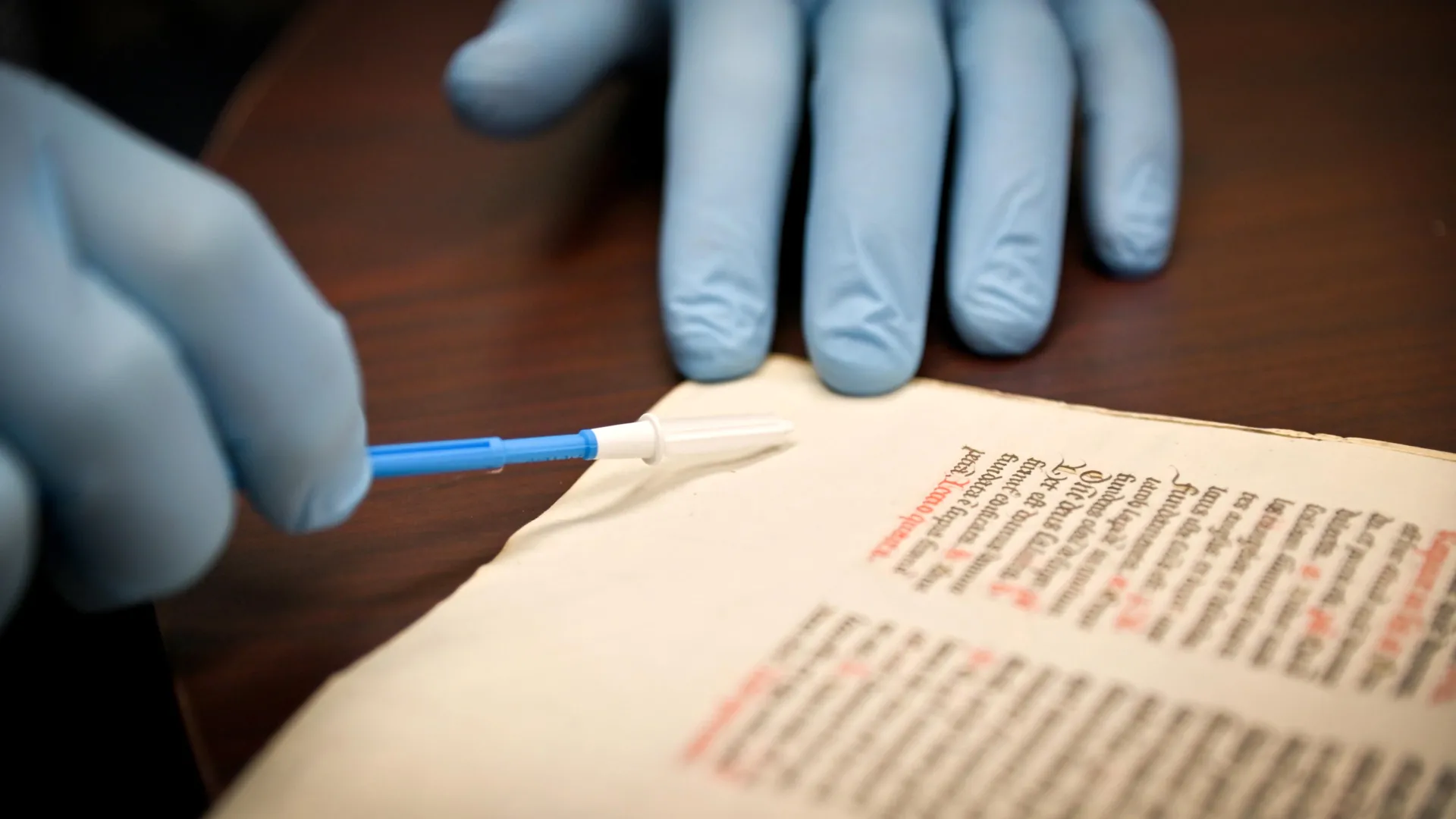
Researchers can now recover DNA from centuries-old parchment without damaging the manuscripts, turning historic documents into unexpected genetic time capsules. The hidden clues could reveal ancient trade routes, livestock history, manuscript origins, and details of everyday life stretching back more than a thousand years.
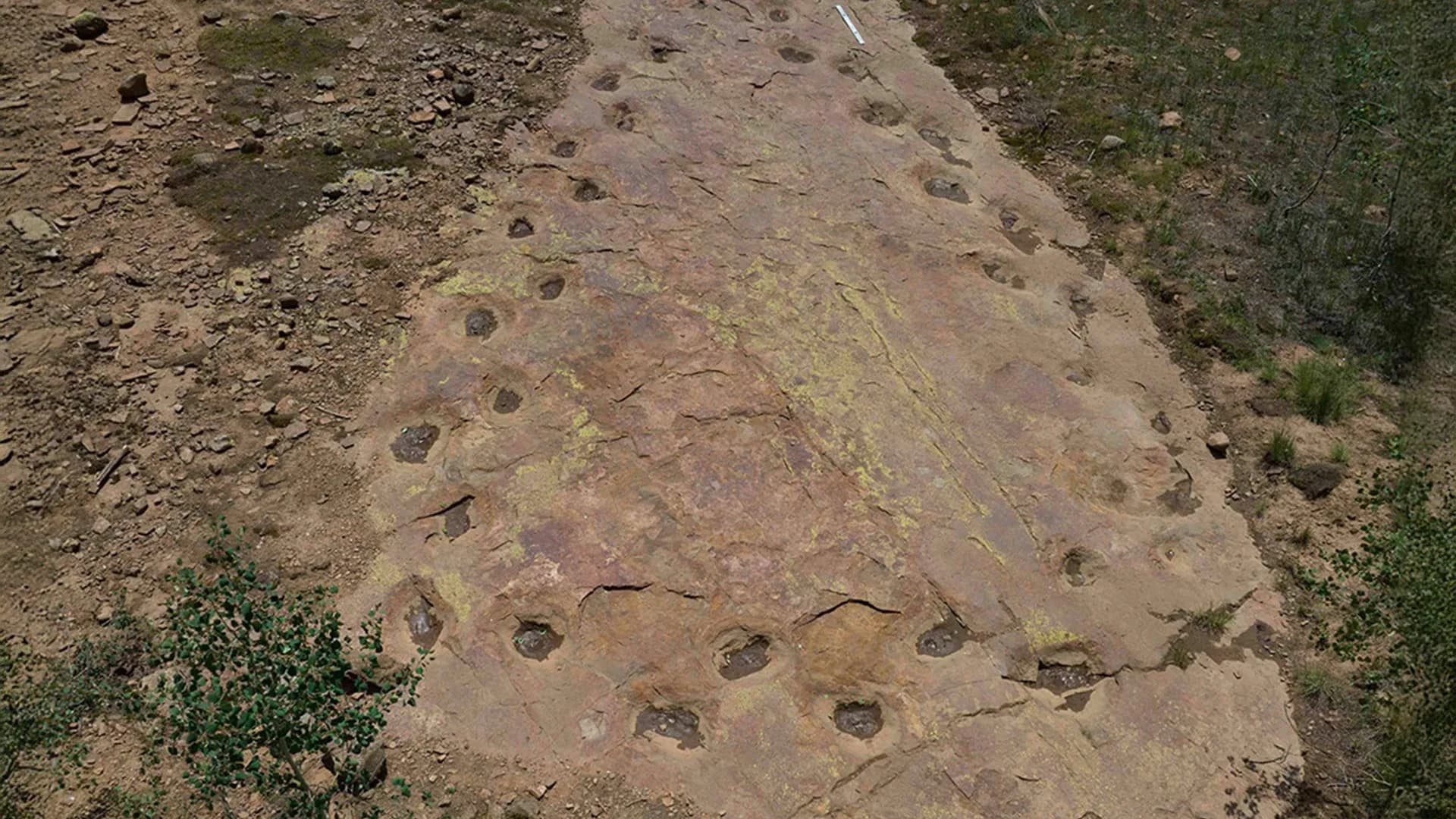
A spectacular 150-million-year-old trail of more than 130 footprints captures a giant sauropod making a complete loop before continuing on its way. Its uneven stride hints that the long-necked dinosaur may have been walking with a limp.
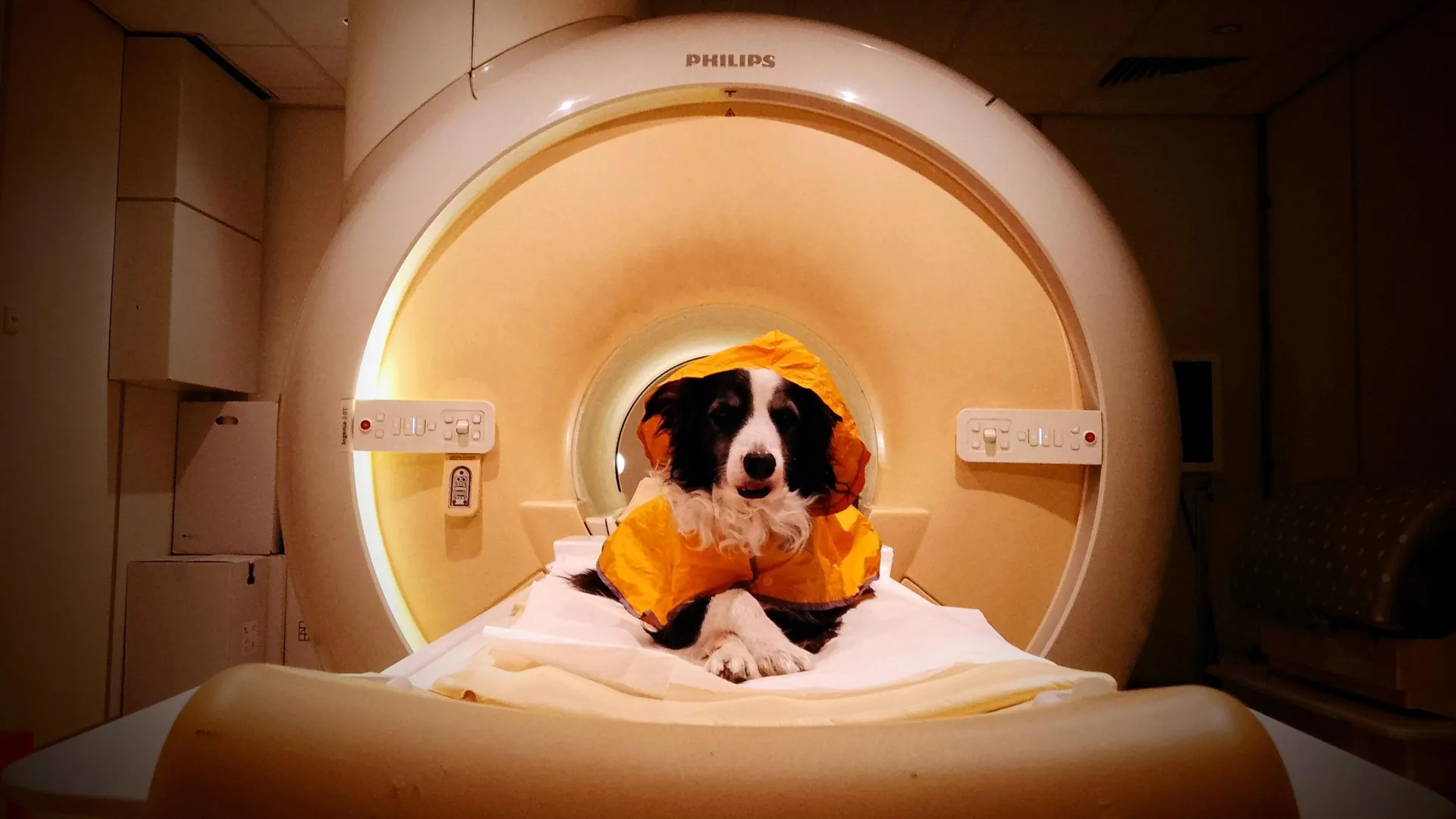
Dogs may understand our emotions more deeply than scientists realized. Brain scans show that happy human faces activate regions in dogs linked to higher-level processing and reward, suggesting that smiles carry special emotional significance for them.
A forgotten fragment of a lost papal letter is offering a surprising new explanation for the Norman Conquest. England may have backed the wrong pope during a bitter religious power struggle, giving Pope Alexander II a political reason to support William the Conqueror’s invasion. The discovery suggests Harold’s downfall in 1066 was shaped by intrigue in Rome as well as bloodshed at Hastings.
Scientists probing life’s deepest origins have uncovered evidence that the first free-living cells may have emerged not once, but twice. The findings suggest a striking possibility: life may share one ancient genetic code, yet have undergone two separate transitions into free-living existence.
Ozempic-like drugs appear to weaken more than hunger—they may also reduce cravings for alcohol and other addictive substances. Scientists are increasingly tracing this effect to the lateral septum, a brain region that helps connect memories and surroundings with rewarding experiences. Packed with GLP-1 receptors, it may act as a crucial control point between thinking about a reward and feeling compelled to pursue it. The discovery could open new approaches to treating addiction as well as obesity.
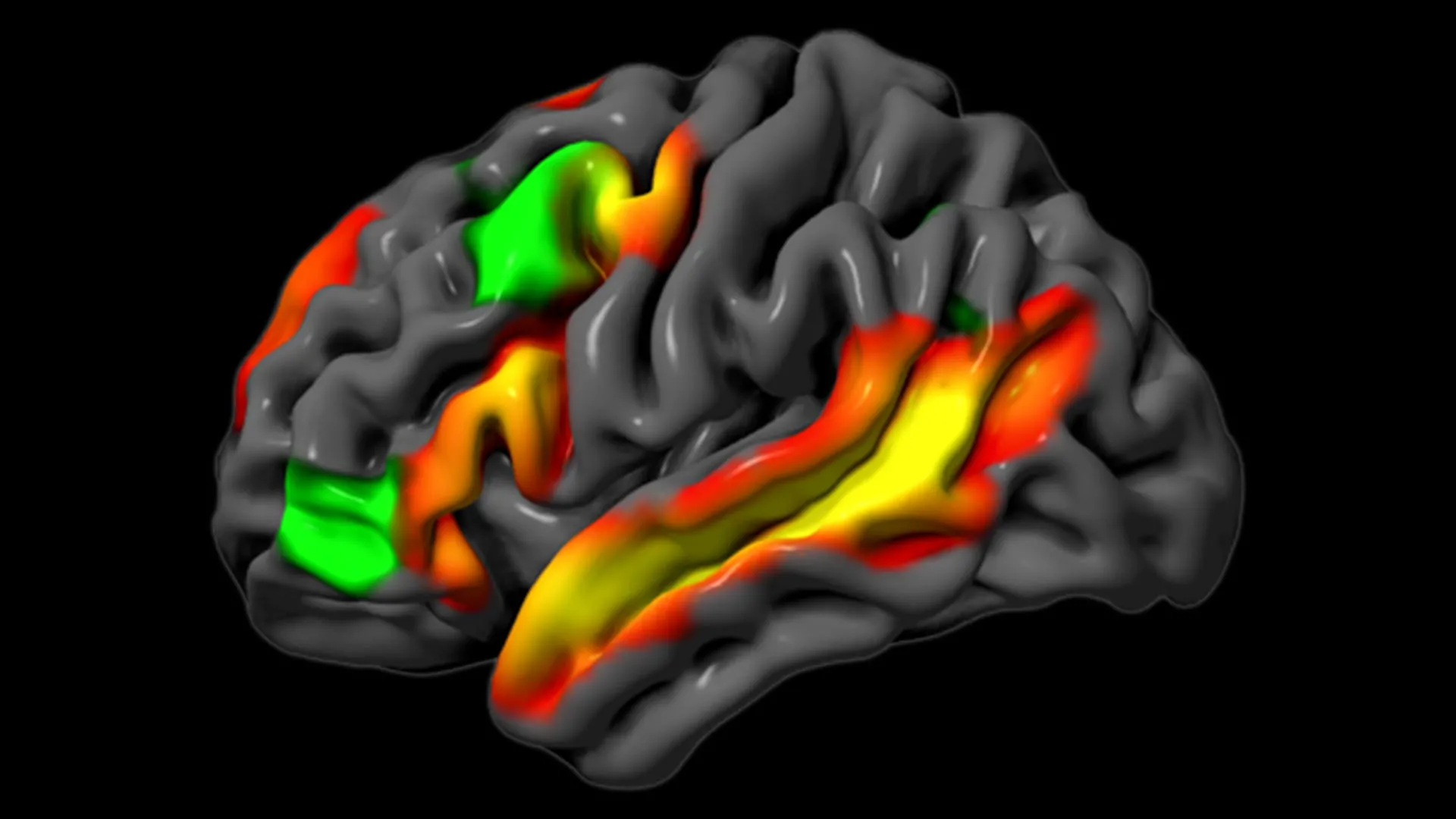
MIT neuroscientists have found striking evidence that language and logical reasoning are powered by separate systems in the brain. Even people with severe language impairments caused by stroke were able to solve challenging logic puzzles as well as people without those impairments, while brain scans showed that language-processing regions stayed largely quiet during reasoning tasks.
Ancient remains from Vietnam suggest diseases like yaws may have been passed from mother to child thousands of years ago, a form of transmission often assumed to indicate syphilis. The discovery could overturn how scientists interpret ancient infections and complicate the long-running mystery of syphilis’s origins.
Keratin extracted from sheep’s wool helped damaged bone regenerate in animals, producing tissue that was more organized and structurally similar to healthy bone than tissue grown with conventional collagen scaffolds. The discovery could turn an abundant agricultural byproduct into a promising new material for regenerative medicine.
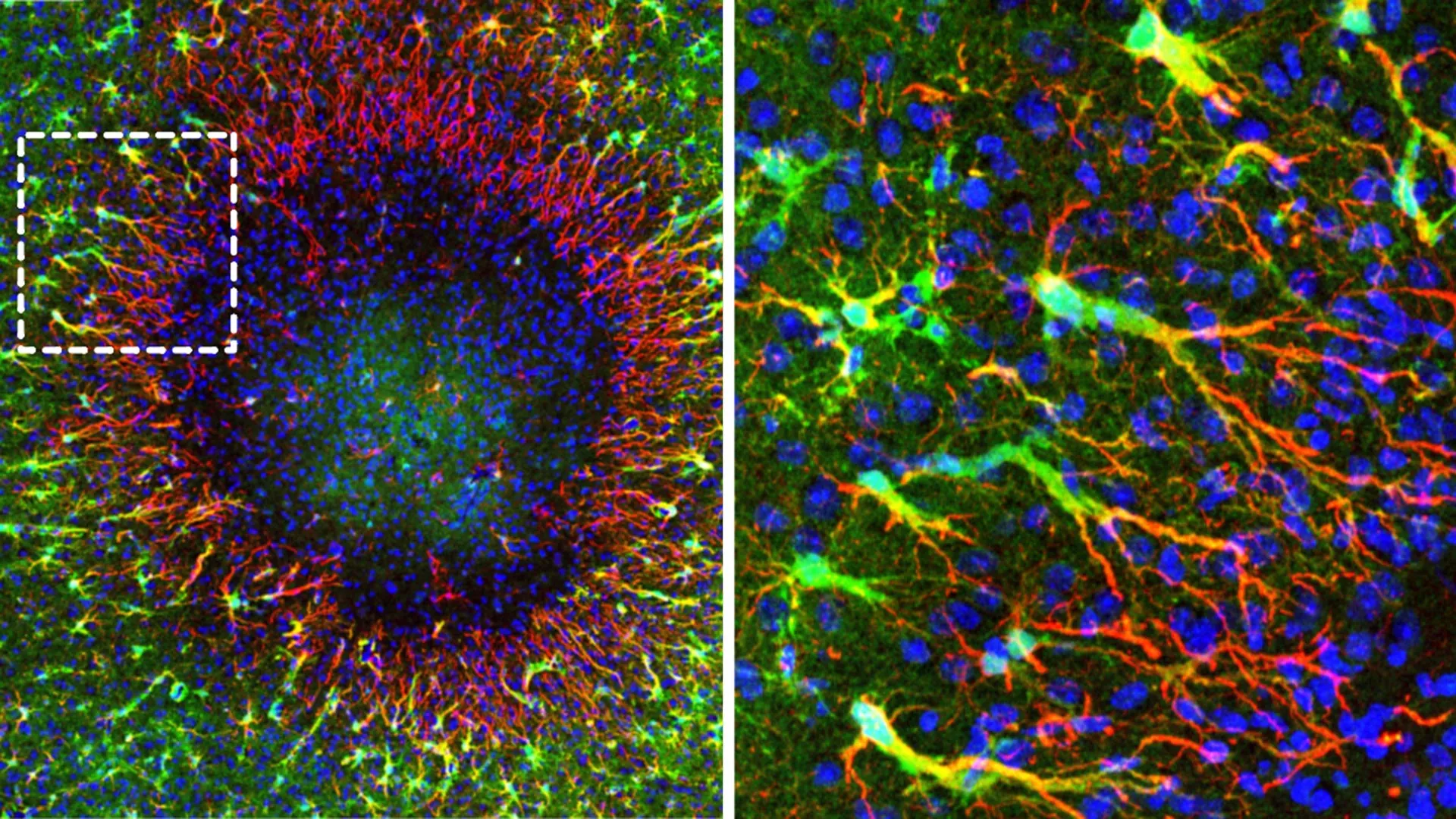
The adult brain may be far better at repairing itself than scientists once believed. In mice, researchers discovered a special group of support cells called astrocytes that respond to damaged brain tissue by rebuilding lost cellular networks. Rather than simply moving into the injured area, these cells perform a remarkable maneuver: they create new nuclei and send them traveling through long cellular extensions to repopulate damaged regions.
Scientists have pinpointed a brain network—and its distinctive electrical rhythm—that appears to drive the benefits of deep brain stimulation for Parkinson’s disease. The discovery could lead to more precise, personalized stimulation settings and better results for patients.
Overall, star employees tend to create value in different ways as their careers progress. Early on, they create outsized value through their individual performance. Experienced stars, meanwhile, contribute by helping colleagues succeed, sharing expertise and developing future stars.
Men are less likely than women to seek help after experiencing intimate partner violence, and new research from George Mason University found that the main barriers include viewing it as a private matter, fear of retaliation, shame and concerns about not being believed.
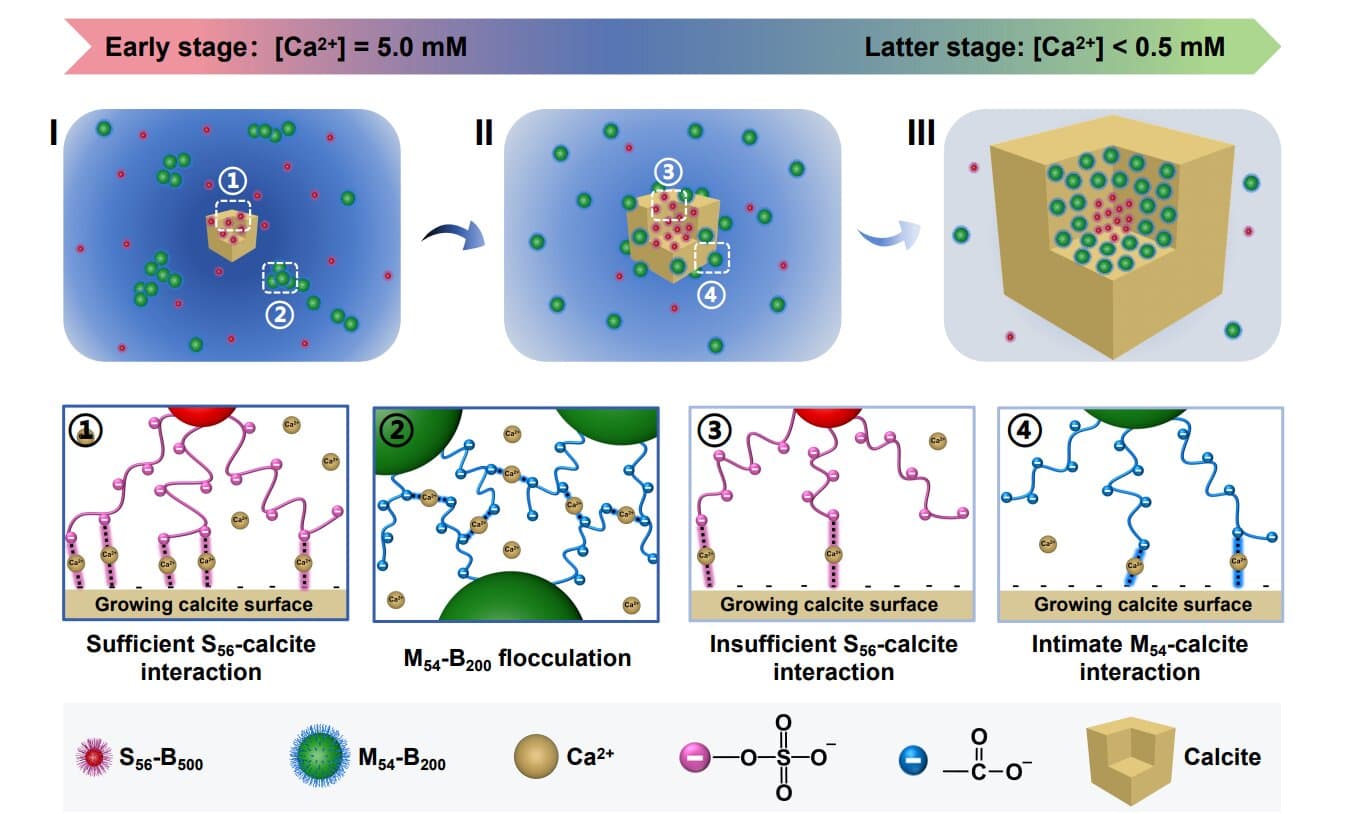
The tiny bones in your fingers withstand countless taps and swipes thanks to a precise blend of materials. Flexible collagen fibers form the framework, reinforced by hard calcium phosphate hydroxyapatite crystals. This is just one of countless examples in which living organisms weave organic materials directly into inorganic crystals with exquisite precision. In a recent study published in Nature Communications, scientists attempted to recreate such precise spatial arrangements in biomimetic composite materials.
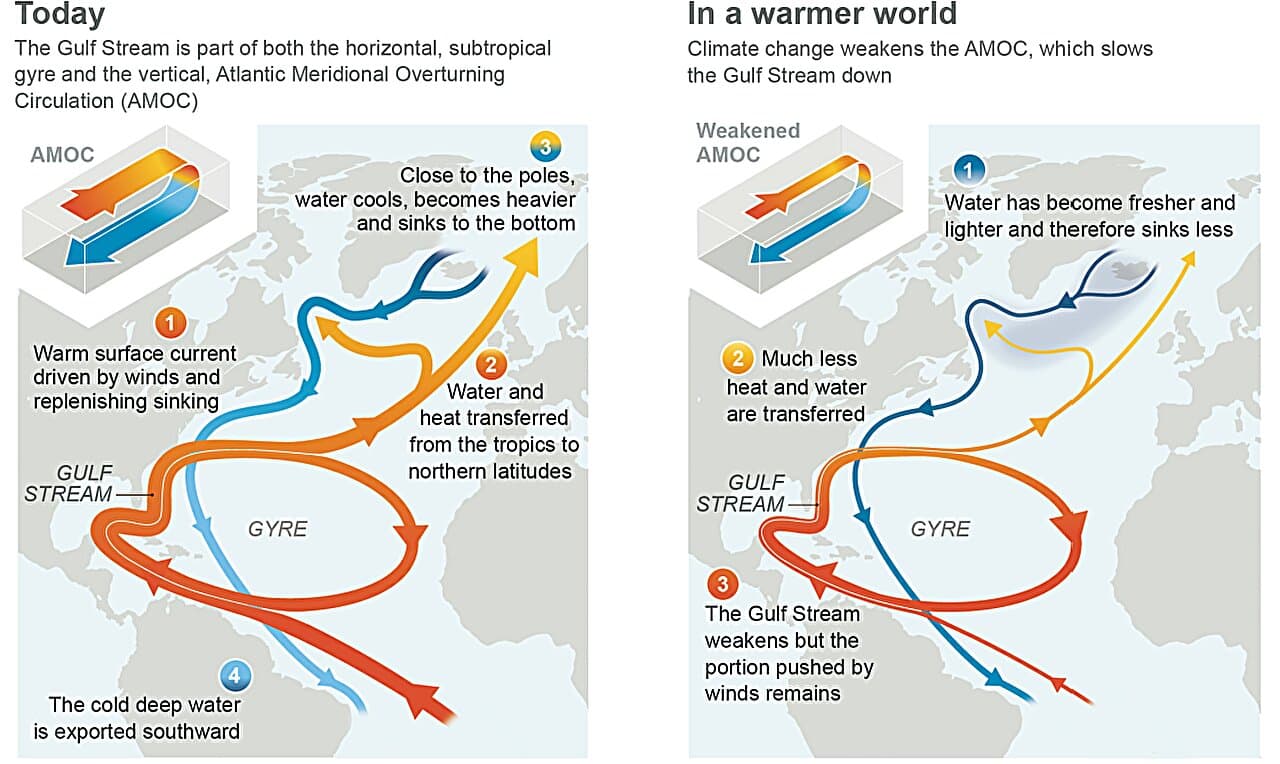
For several years, climate scientists have shown that the Atlantic Meridional Overturning Circulation (AMOC) could come to a halt if the world warms too much. New research from Utrecht University shows that this picture is incomplete: The pace of warming also determines whether the AMOC stays stable.
Designing an effective antibody drug is like searching for the right key in a warehouse of locks. Scientists may begin with millions—or even billions—of antibody candidates, but only a tiny fraction will recognize and bind tightly to the disease target. Identifying those rare candidates has long been one of the biggest challenges in developing antibody medicines.
Long before humans discovered biodegradable plastics, microorganisms had already invented their own. Many bacteria and archaea produce natural bioplastics called polyhydroxyalkanoates (PHAs), storing them inside their cells as reserves of carbon and energy.
A benchmark U.S. report on the fast-changing state of the Arctic has been canceled. The nation's top research body has removed a chapter on global warming from a reference manual for judges.