As a heat wave dries Germany's rivers, government ministers are at odds over what to do about it—re-engineer the waterways or restore them to their natural state.
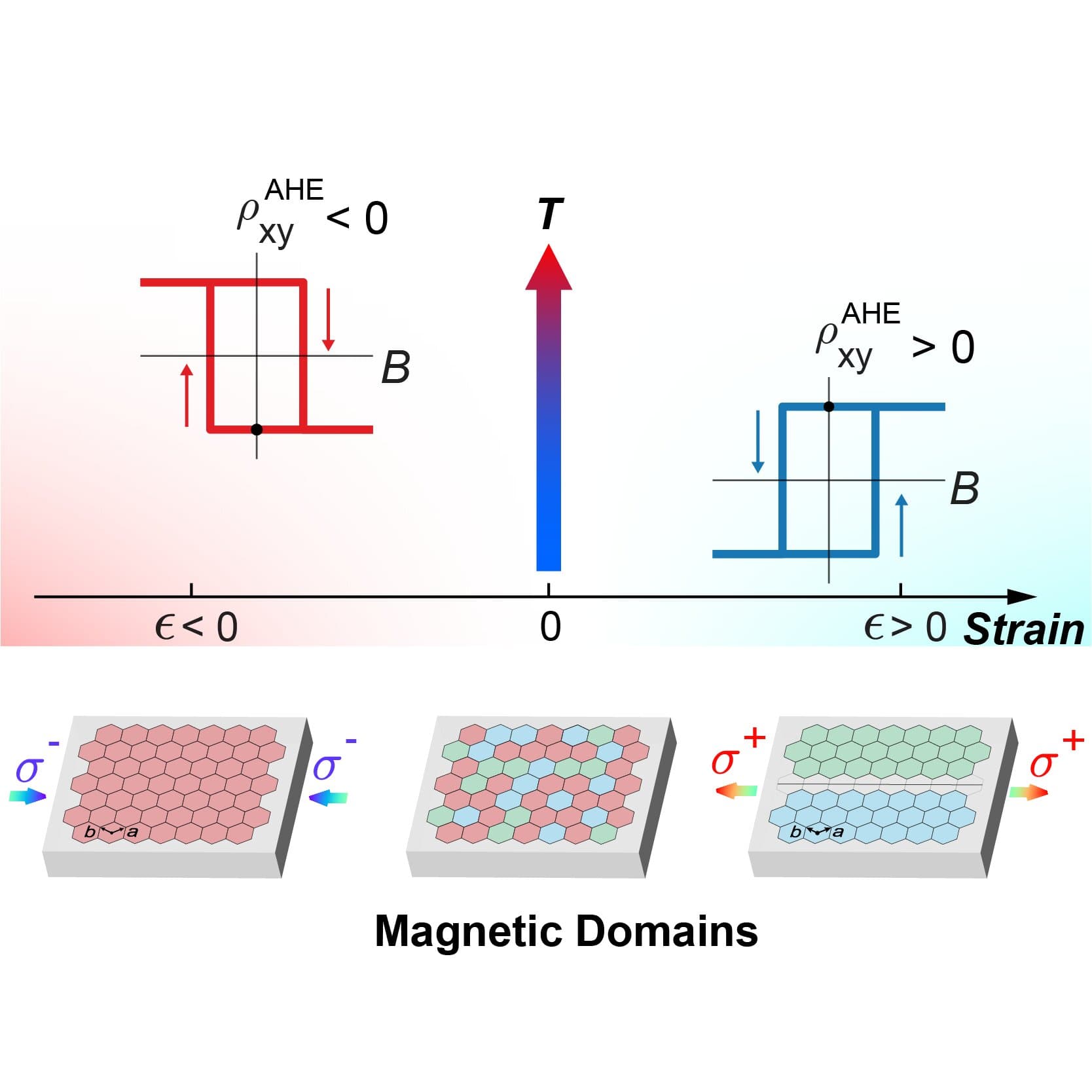
Altermagnetism is a new, third type of magnetism of great interest for spin-transport applications like computer memory. If properly harnessed, it could combine the benefits of the two existing types of magnetism, ferromagnetism and antiferromagnetism, ultimately reducing or eliminating heat during information transfer and increasing the ability to miniaturize next-generation technologies. Rice University's Pengcheng Dai recently published a paper in Physical Review X describing the first successful efforts to put a proposed altermagnetic material into a single magnetic-domain state, allowing the research team to characterize the material's intrinsic magnetic structure.
Each year the Guardian runs a competition to find the invertebrate of the year. To find out more about the 2026 nominees science editor Ian Sample hears from climate reporter Petra Stock, environment reporter Oliver Milman and Science Weekly co-host Madeleine Finlay. They each nominate an incredible invertebrate that you might never have heard of, and argue why their choice should be crowned the winner. Vote for your favourite now and the winner will be crowned on 17 August
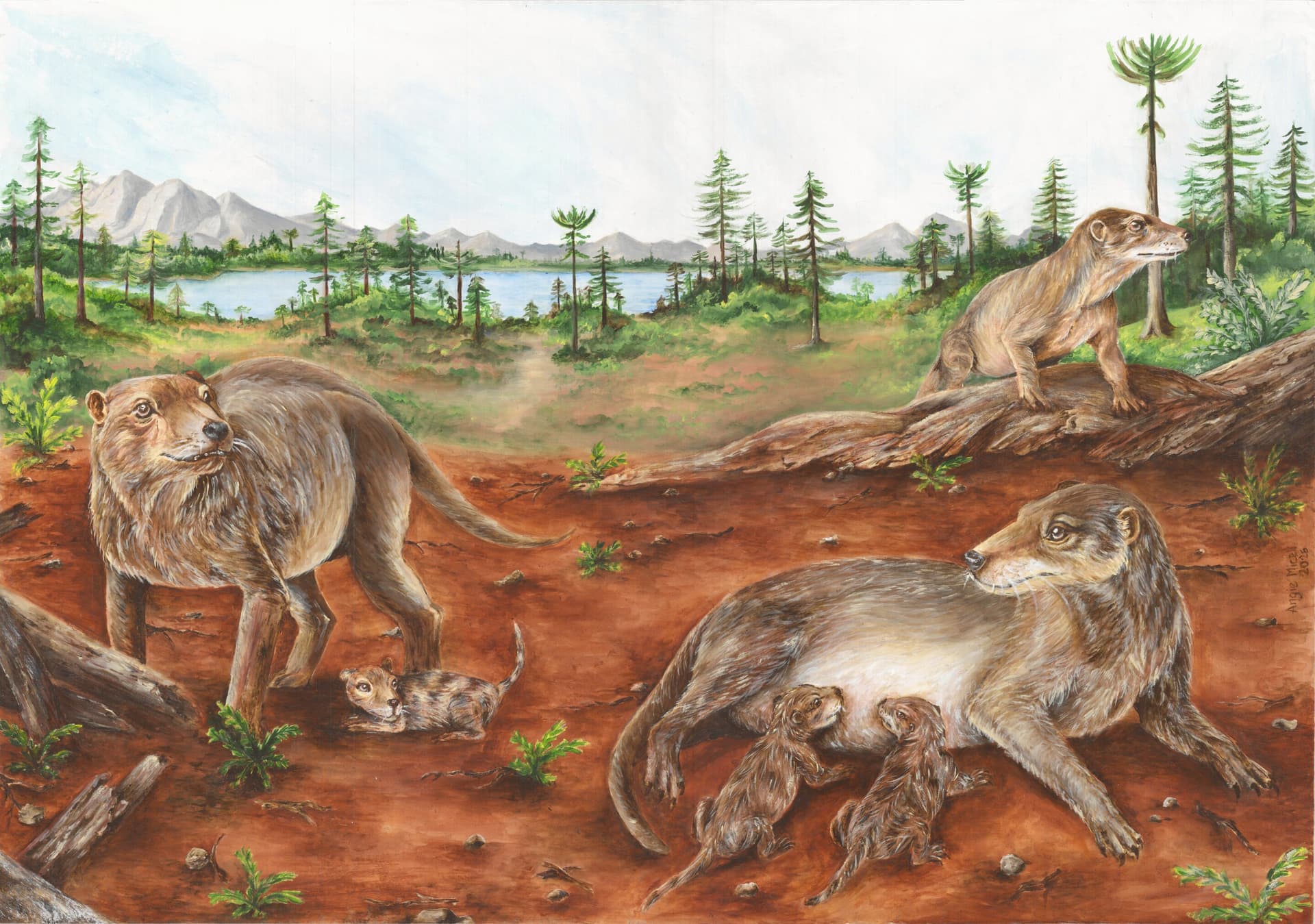
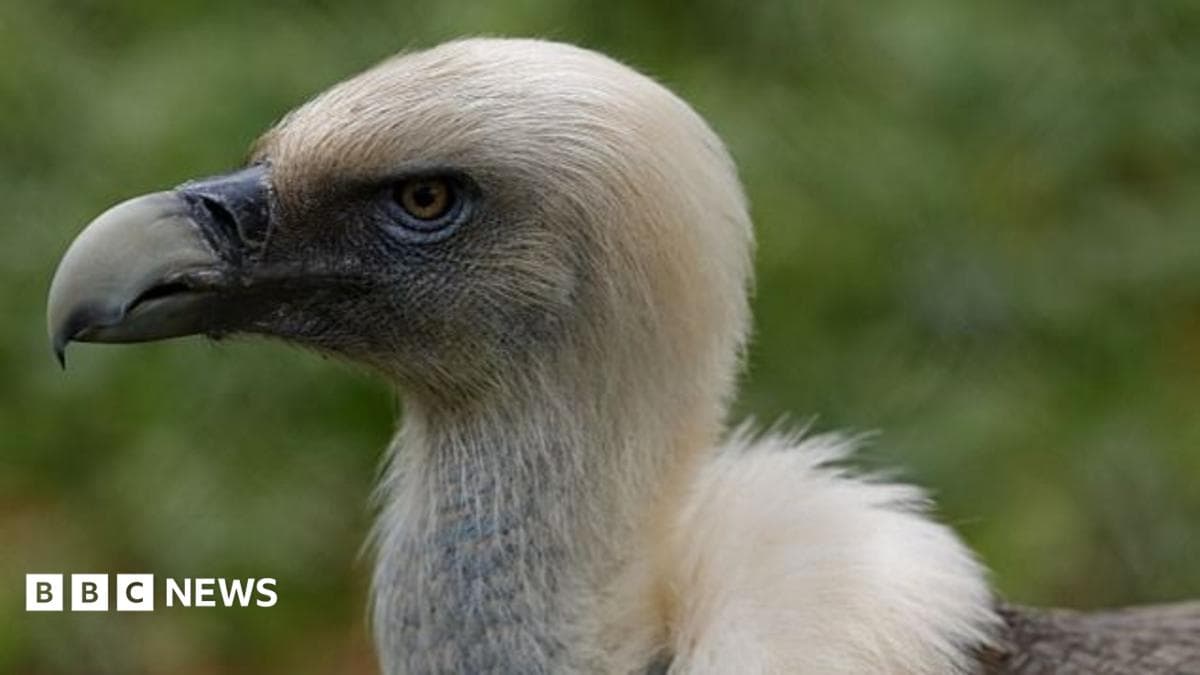
Some cynodonts may have been giving birth to live young much sooner in evolutionary history than previously assumed. A new Frontiers in Mammal Science study has offered the first compelling evidence that cynodonts may have been viviparous—a reproductive mode characterized by live birth.
New EU restrictions on toxic substances known as "forever chemicals" in food packaging kicked in Wednesday, along with broader rules aimed at cutting packaging waste in the bloc.
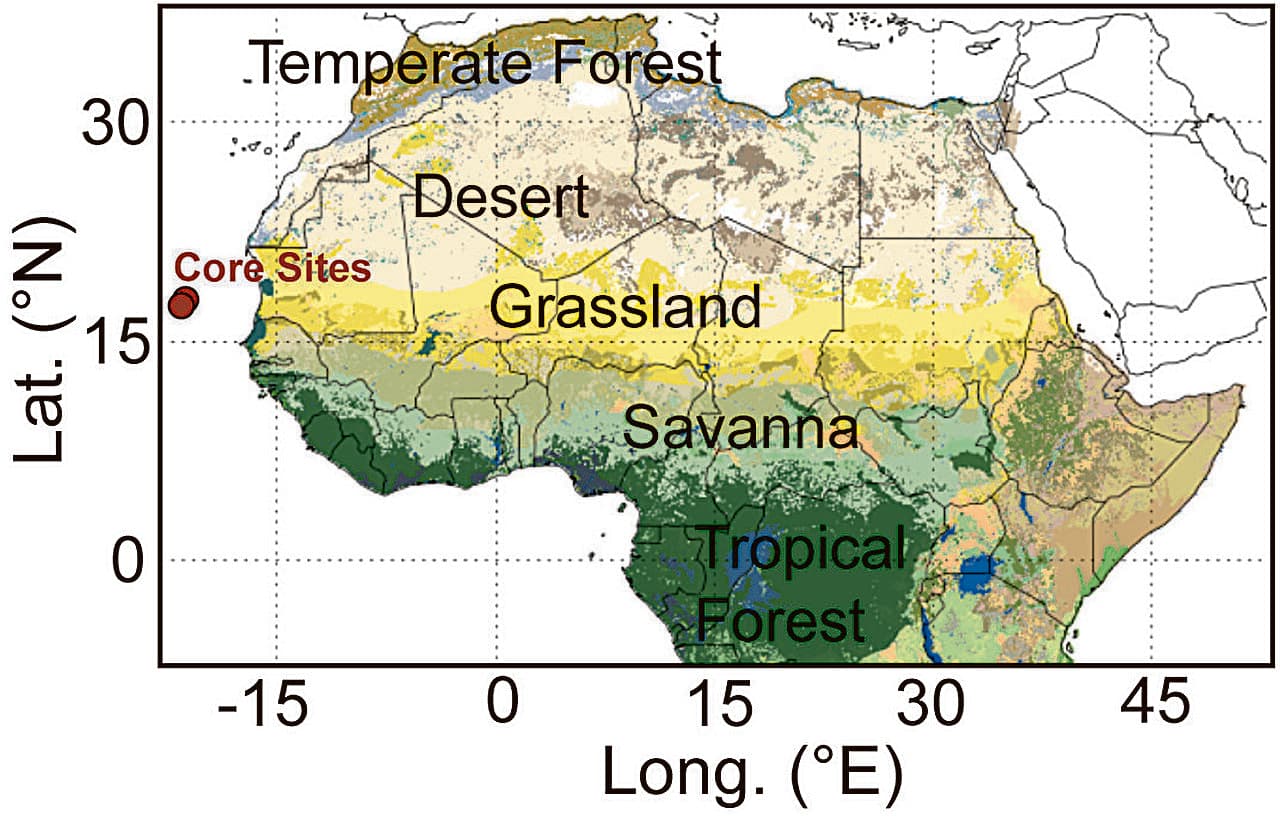
The iconic grassland savannas of Africa are geographically extensive and important for both local fauna and the global climate. But where did they come from, and how will they change in the future? Ongoing warming, rising CO2 levels and shifting rainfall patterns are likely to profoundly change these ecosystems. These effects are difficult to predict because they can alter ecosystems in competing ways.
Space Force orders two more Impulse Space vehicles for maneuvering demonstrations Space Force orders two more Impulse Space vehicles for maneuvering demonstrations
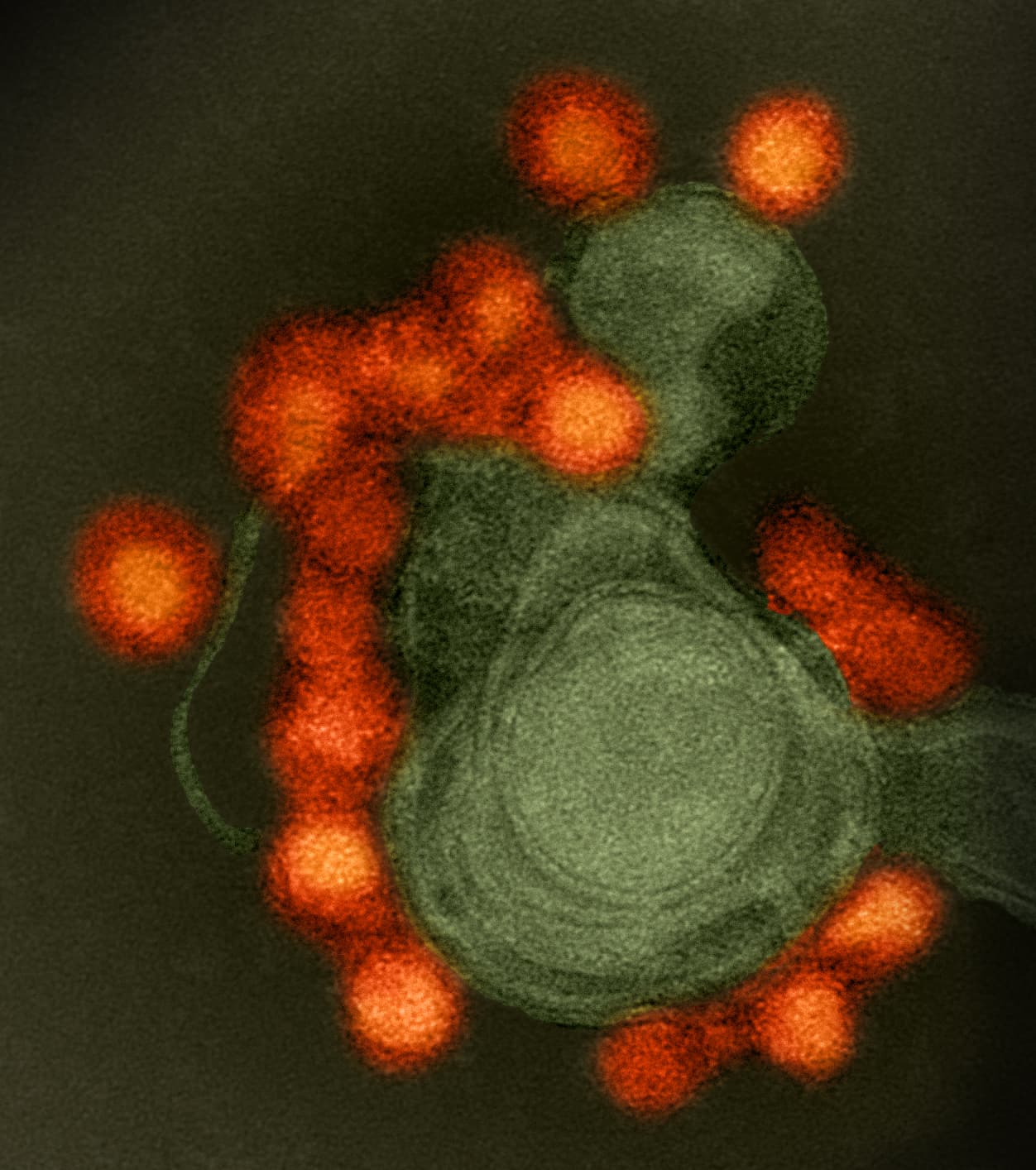
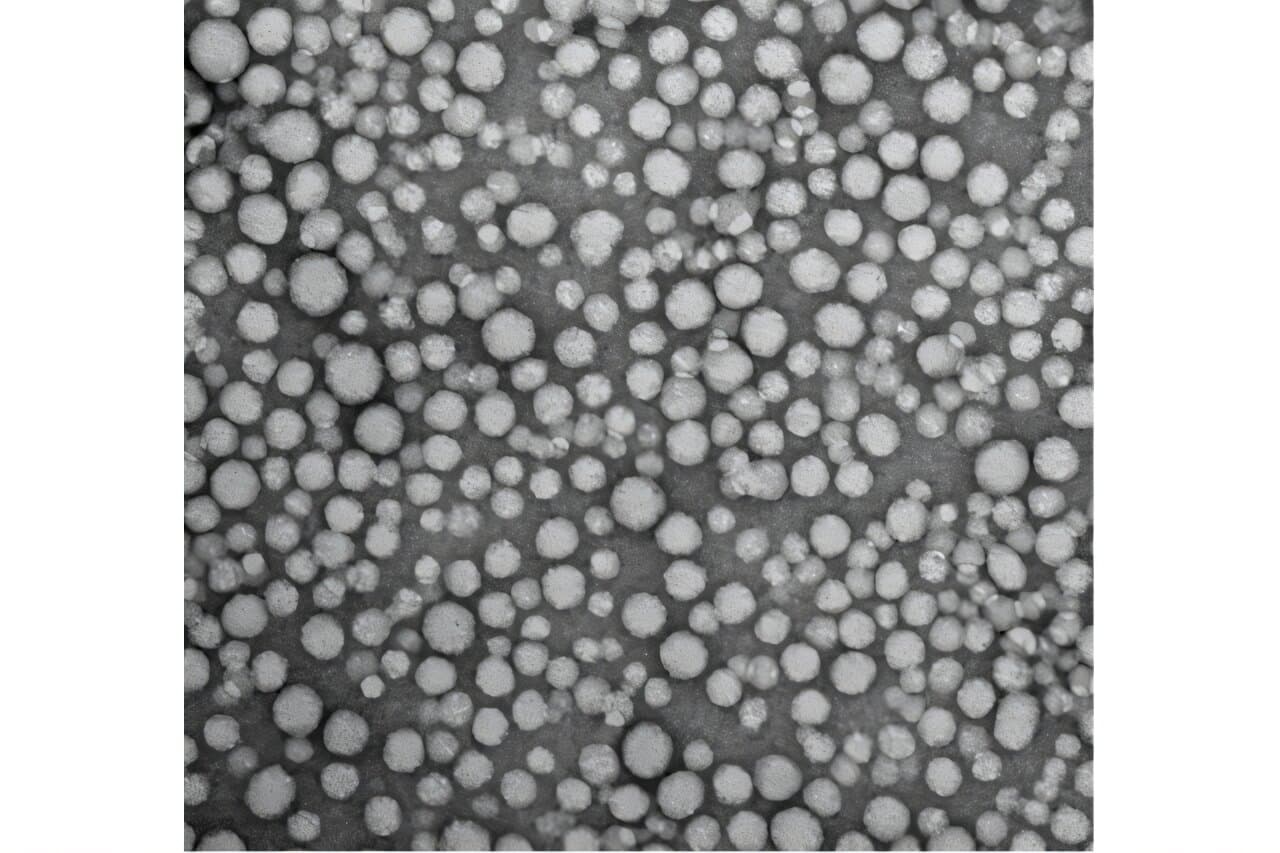
Scientists have crossed an important line in biological engineering. In a recent study, researchers used artificial intelligence to design complete sets of genetic instructions for bacteriophages, viruses that infect bacteria. Some of those computer-generated designs produced working viruses when they were built and tested in the laboratory.
Venous malformations are abnormally shaped veins that develop when the cells lining blood vessels grow too fast when they aren't supposed to. Children can be born with them, and as the child grows, the venous malformations can get bigger. Venous malformations are a type of vascular malformation that can range from small and superficial to disfiguring, debilitating or even life-threatening.
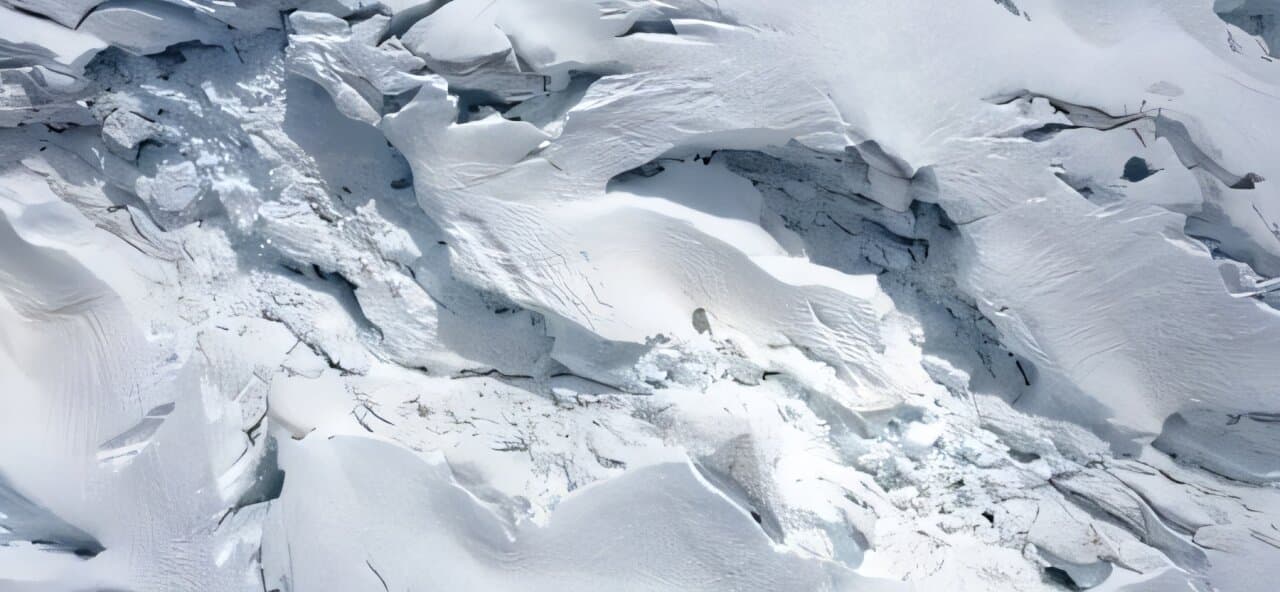
With approximately one-third of the world's population living within a day's walk of a coastline, sea-level rise poses a serious global threat. Every centimeter of sea-level rise could displace 1.5 million people, and current estimates range from half a meter (1.6 feet) to 2 meters (6.6 feet) by the end of the 21st century—which means that potentially hundreds of millions of people could be affected. A more reliable prediction of sea-level rise is crucial to prepare coastal infrastructure and communities around the world for these changes.
A study involving more than 58,000 adolescents from 21 countries found that "unstructured free time"—defined as periods without adult supervision or activities guided by educational, cultural or athletic goals—is strongly associated with delinquent behavior and exposure to violence among young people.
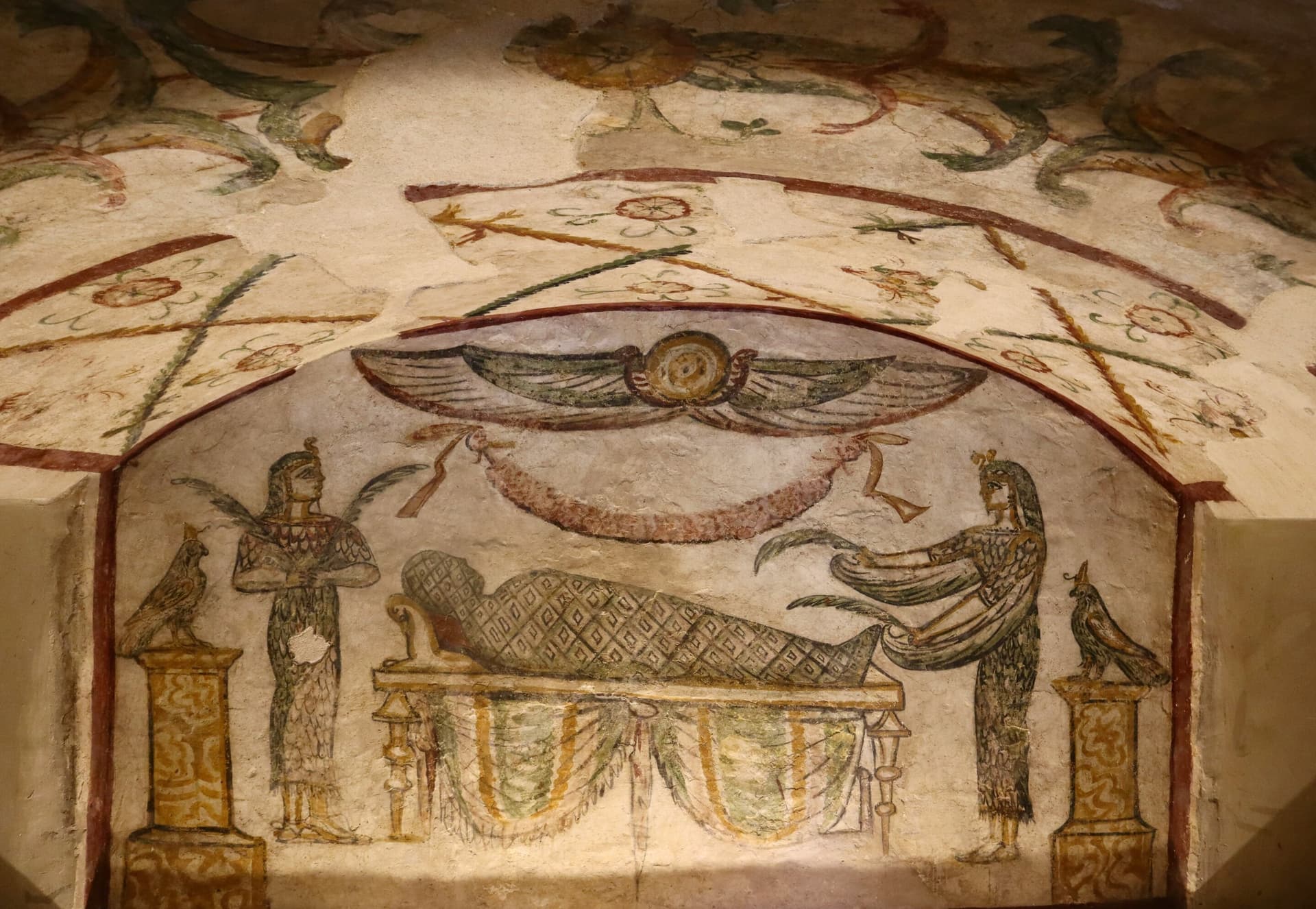
Looking inside a newly discovered ancient tomb for the first time is both exciting and terrifying. I was fortunate to experience this recently as director of an international research team carrying out fieldwork in the Theban necropolis, a UNESCO World Heritage Site near the modern Egyptian city of Luxor.
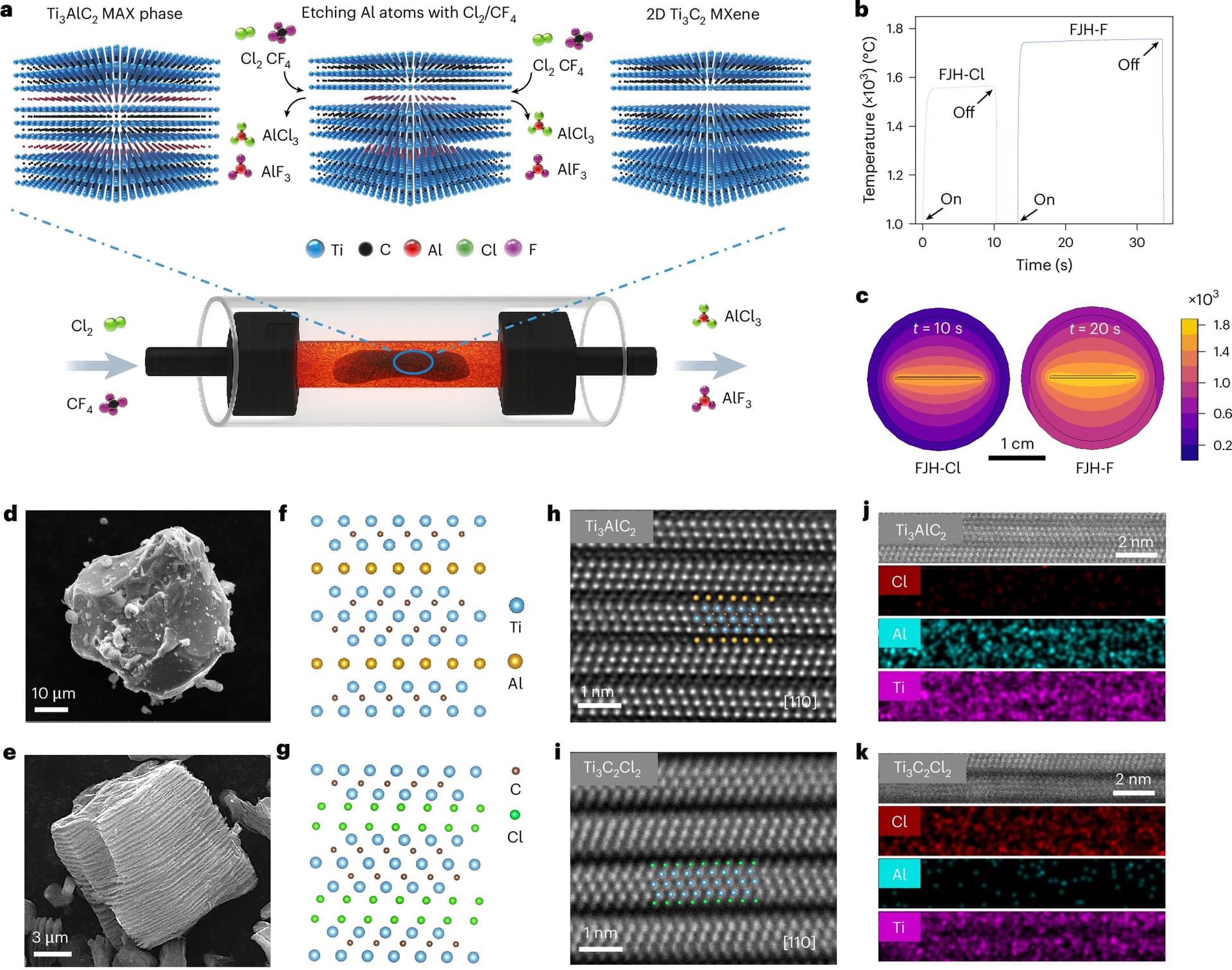
MXenes are two-dimensional materials made of very thin layers of metals, measured on the atomic scale. They conduct electricity well and have surfaces that can easily interact with other materials, making them excellent candidates for advanced electronic devices, computers and aerospace coatings. The only problem is that, until a recent innovation by James Tour's lab at Rice University, building them required a lengthy, acid-filled process called liquid-phase chemical etching.