Blood cancers that eventually worsen may carry detectable genetic warning signs years before patients develop serious symptoms. The findings could lead to earlier intervention while also helping doctors distinguish true cancer from harmless age-related blood changes.
A compound in rice bran may help calm an overactive gut by reducing the calcium signals that cause intestinal muscles to contract. Ferulic acid suppressed contractions triggered by several chemical messengers in laboratory experiments. The discovery could eventually support new dietary approaches for diarrhea-related digestive disorders, although it may make constipation worse.
Researchers have uncovered a possible biological pathway connecting obesity to Alzheimer’s disease. Obesity appears to raise levels of certain fat molecules that can travel to the brain, disrupt its immune defenses, and promote harmful amyloid buildup. Correcting this fat imbalance improved memory and brain function in Alzheimer’s models.
A gene involved in the brain’s overnight cleaning system may change how strongly poor sleep affects Alzheimer’s-related brain changes. The findings point toward more personalized prevention strategies based on both genetics and sleep habits.
New research challenges the decades-old idea that children experience an “adiposity rebound” when their BMI begins rising around age 6. Although BMI returns to earlier levels, a more reliable measure showed that body fat does not rebound at all. The increase appears to come from growing muscle and lean tissue as children prepare for later growth. Researchers say this normal process has been mistakenly treated as an obesity warning sign for 42 years.
Scientists have identified an immune response that may explain why statins cause muscle pain, weakness, and exercise intolerance in some people. The finding could eventually lead to treatments that protect muscles while preserving the drugs’ lifesaving cardiovascular benefits.
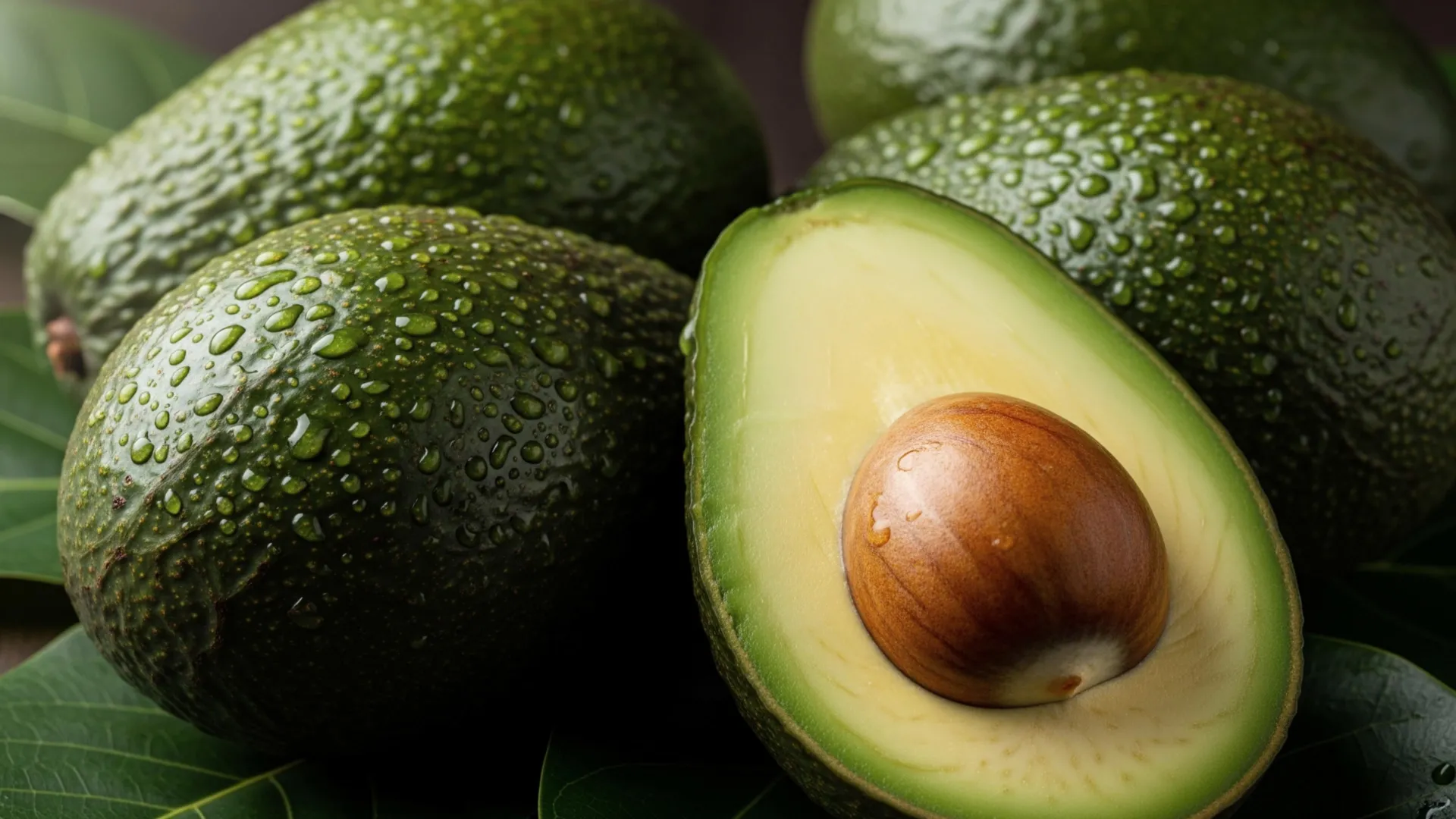
A daily avocado may help lower heart disease risk in adults with obesity by reducing the number of LDL particles circulating in the blood. After six months, participants who ate an avocado each day experienced a decline associated with an estimated 4% reduction in cardiovascular risk.
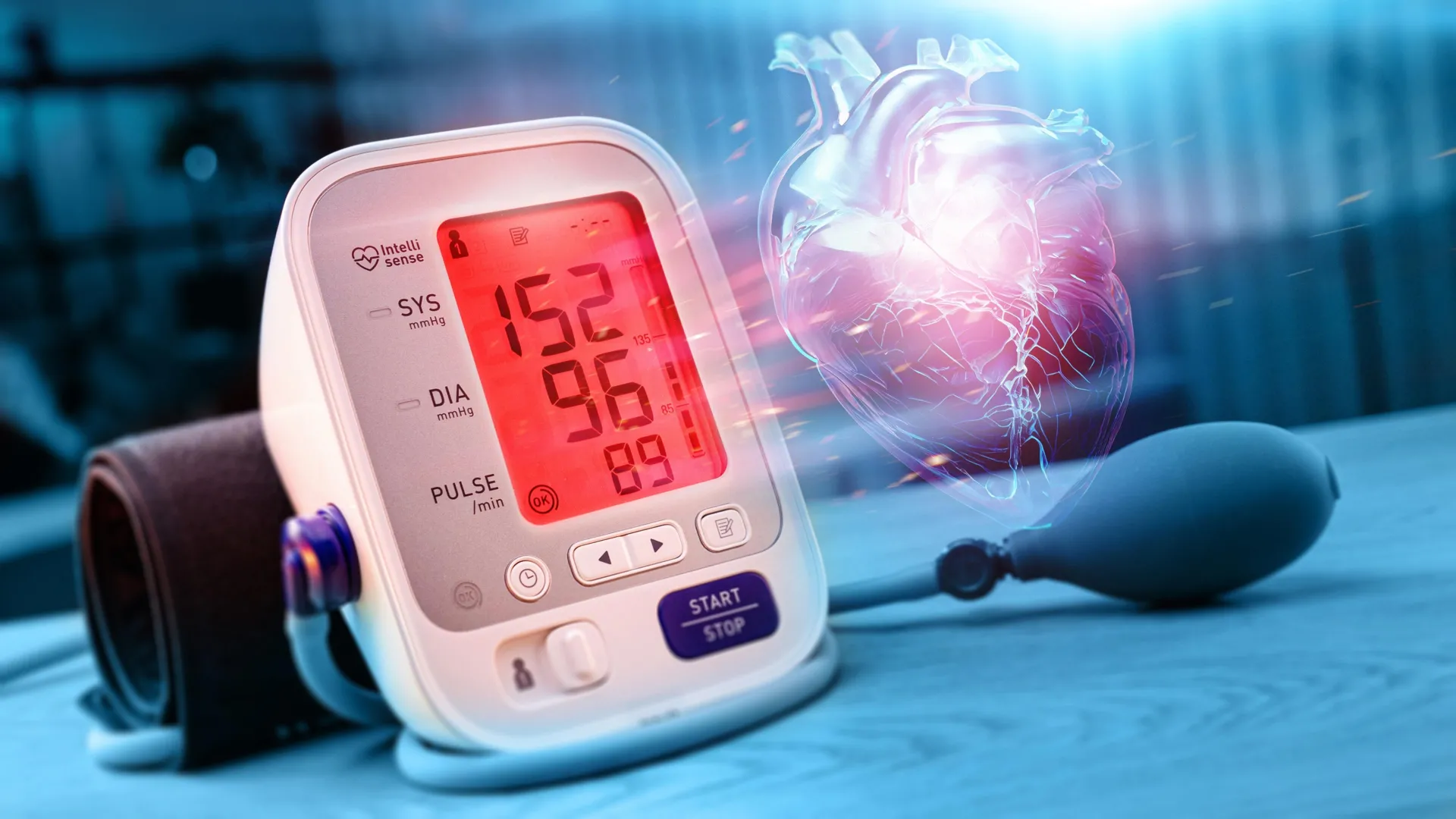
A new report suggests that blood pressure may be controlled more effectively by increasing potassium while also cutting sodium. Potassium-rich foods can help balance sodium’s effects, but most people consume far less potassium than recommended.
A protein once thought to mainly protect chromosome ends may also be essential for keeping muscle stem cells ready to repair injuries. Researchers found that TRF2 helps these cells maintain their identity and coordinate the cycle of rest, repair, and renewal.
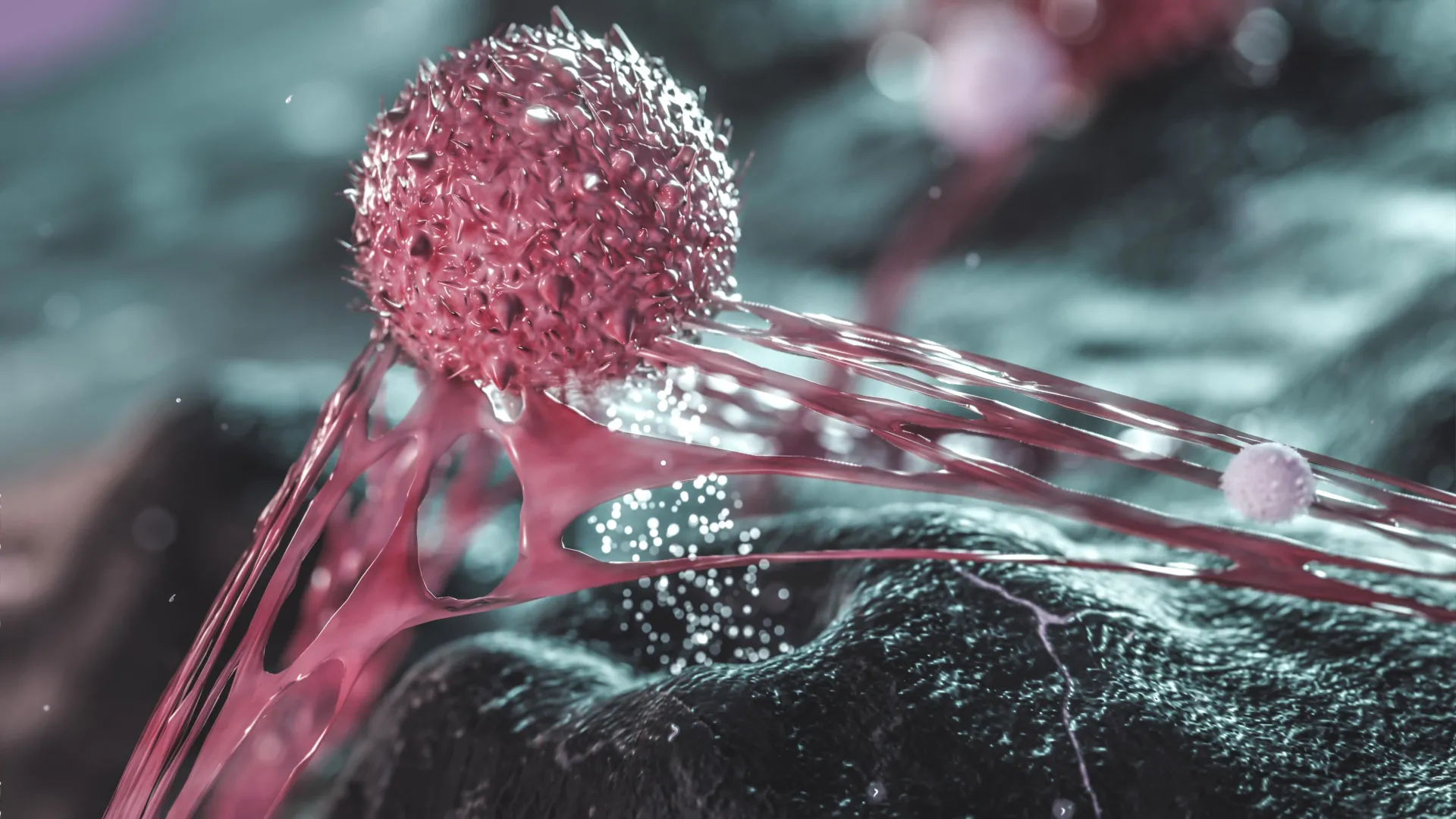
Cancer cells rely on powerful genetic switches to keep growth genes running at full speed, but that intense activity can damage their own DNA. The resulting breaks are repeatedly repaired, sometimes with small mistakes that allow new mutations to accumulate. Researchers believe this self-inflicted damage may help tumors evolve while also creating a potential target for new treatments.
A sweeping review of more than 350 studies suggests that the protein boom may be overselling what many people actually need. Eating less protein appears to improve metabolism, reduce inflammation and cellular damage, and activate pathways linked to healthier aging and longer life.
Scientists have figured out how two famously poisonous plants create chemicals with surprising medical potential. After tracking thousands of genes in wolfsbane and larkspur, they identified six enzymes needed to build a complex compound called atisinium. The team recreated the process inside tobacco plants, offering a sustainable way to produce and test these rare molecules in larger amounts.
Low arginine levels may allow cancer cells and viruses to slip past the immune system by reducing production of a crucial cellular warning protein. In mice, arginine-rich diets led to fewer colon tumors and milder viral infections, suggesting a simple supplement could have powerful therapeutic potential.
A surprisingly small dose of exercise may deliver major health benefits for adults carrying excess fat around the waist. In a four-month trial involving 315 adults with central obesity, researchers found that completing 75 minutes of brisk interval walking in a single weekly session reduced body fat, trimmed waistlines, and improved cardiovascular fitness about as effectively as splitting the same exercise across three days.
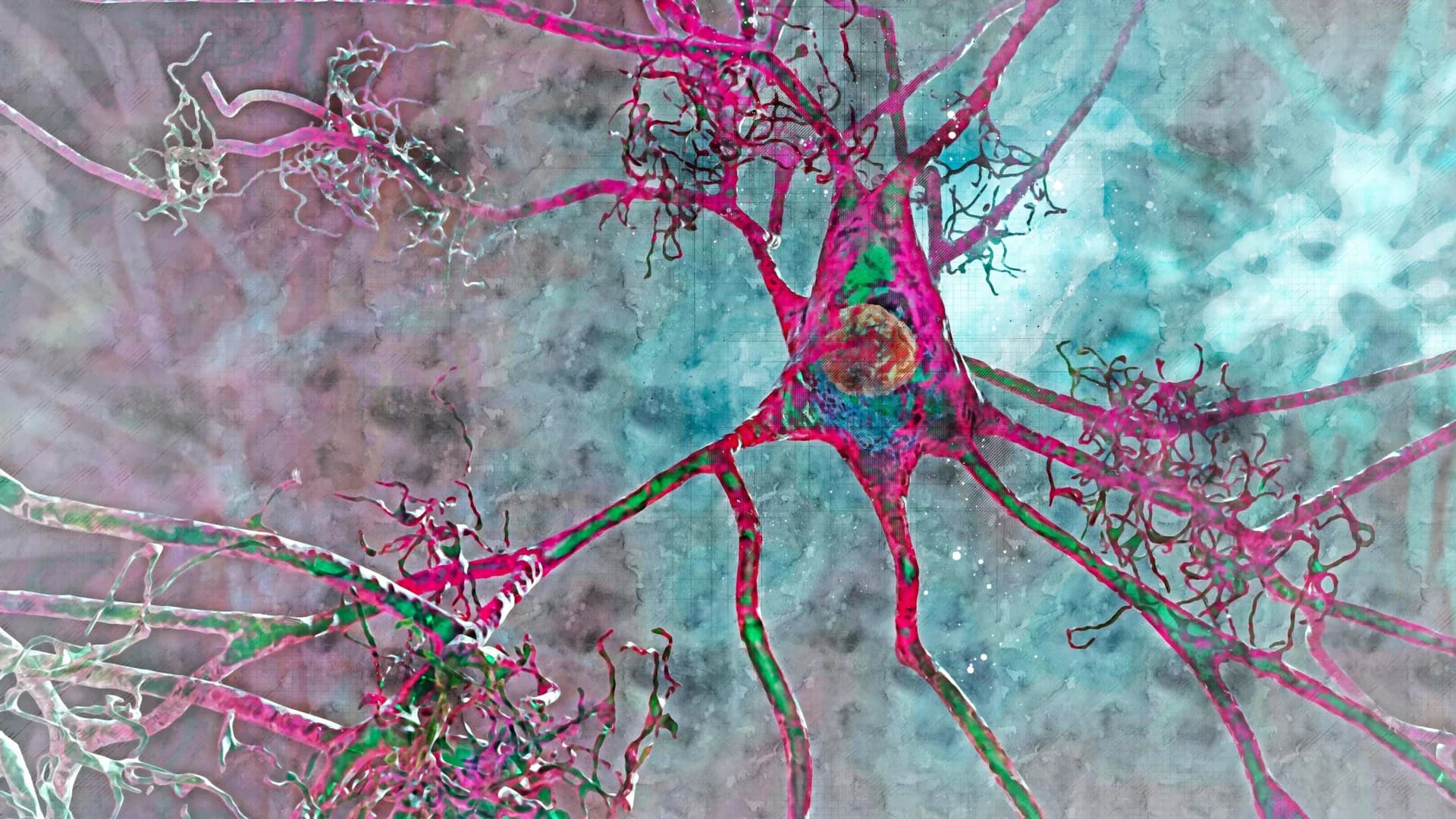
Scientists have identified a molecular switch that may help explain why aging makes the brain more vulnerable to diseases such as ALS and Huntington’s. In worms, the protein EPS8 builds up with age and triggers signaling that encourages toxic proteins to clump together, damaging neurons and shortening lifespan. Reducing EPS8 activity prevented these harmful aggregates and preserved nerve function.
Chemotherapy-surviving ovarian cancer cells may release fructose to help neighboring tumor cells loosen, escape, and spread. The discovery suggests that sugary diets and cholesterol-lowering drugs could influence cancer progression, though the effects have not yet been confirmed in patients.
Vanderbilt researchers created the first selective compound designed to inhibit TAOK-1, a poorly understood protein connected to Alzheimer’s disease. They also discovered a second compound that activates the entire TAOK protein family, offering scientists an unexpected new research tool. Together, the compounds could reveal hidden disease mechanisms and point toward new treatment strategies.
A prescription form of THC helped many people with PTSD escape recurring trauma-related nightmares, with more than one-third reporting that the nightmares disappeared completely after ten weeks. The results could point toward a long-awaited treatment for one of PTSD’s most distressing and stubborn symptoms.
A simple change in posture may subtly affect how people feel and make decisions. Participants who sat upright reported greater feelings of pride and took more successful risks in a virtual balloon game than those who hunched over. Most did not realize researchers had influenced their posture, helping rule out the possibility that they were merely responding to expectations. The results suggest workplace ergonomics could influence more than physical comfort.
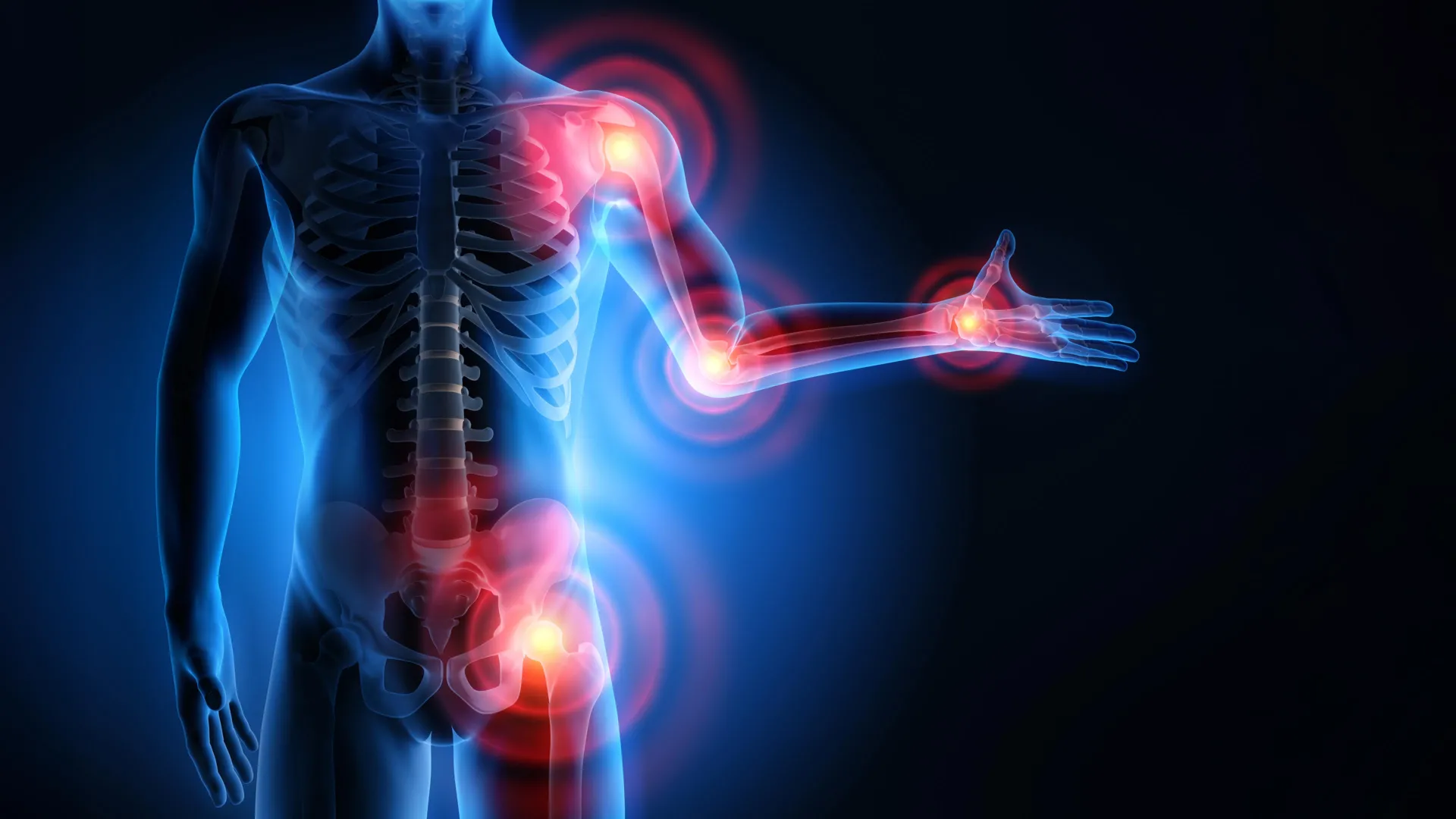
Tiny pollution particles from smoke, soot, and dust may worsen rheumatoid arthritis and raise the risk of painful flares, particularly after prolonged exposure. The findings suggest that avoiding poor air quality could become an important part of managing the disease.
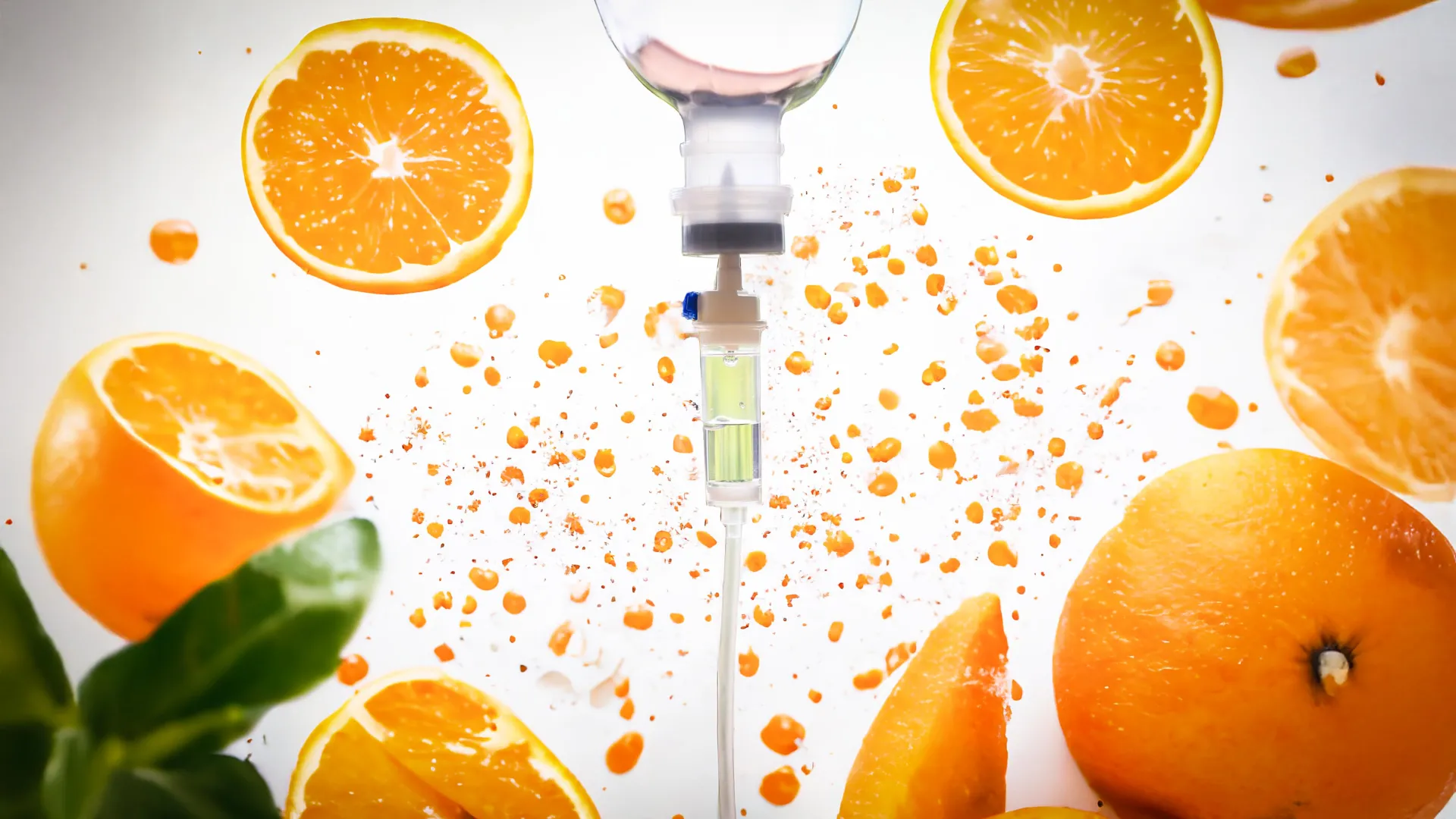
Linus Pauling was widely mocked for claiming that vitamin C could fight cancer, especially after trials using vitamin C pills showed no benefit. Researchers now know that intravenous vitamin C reaches vastly higher concentrations and can behave more like an experimental cancer drug than an ordinary supplement. Early studies suggest it may damage vulnerable cancer cells, reduce treatment side effects, and possibly improve outcomes for some patients.
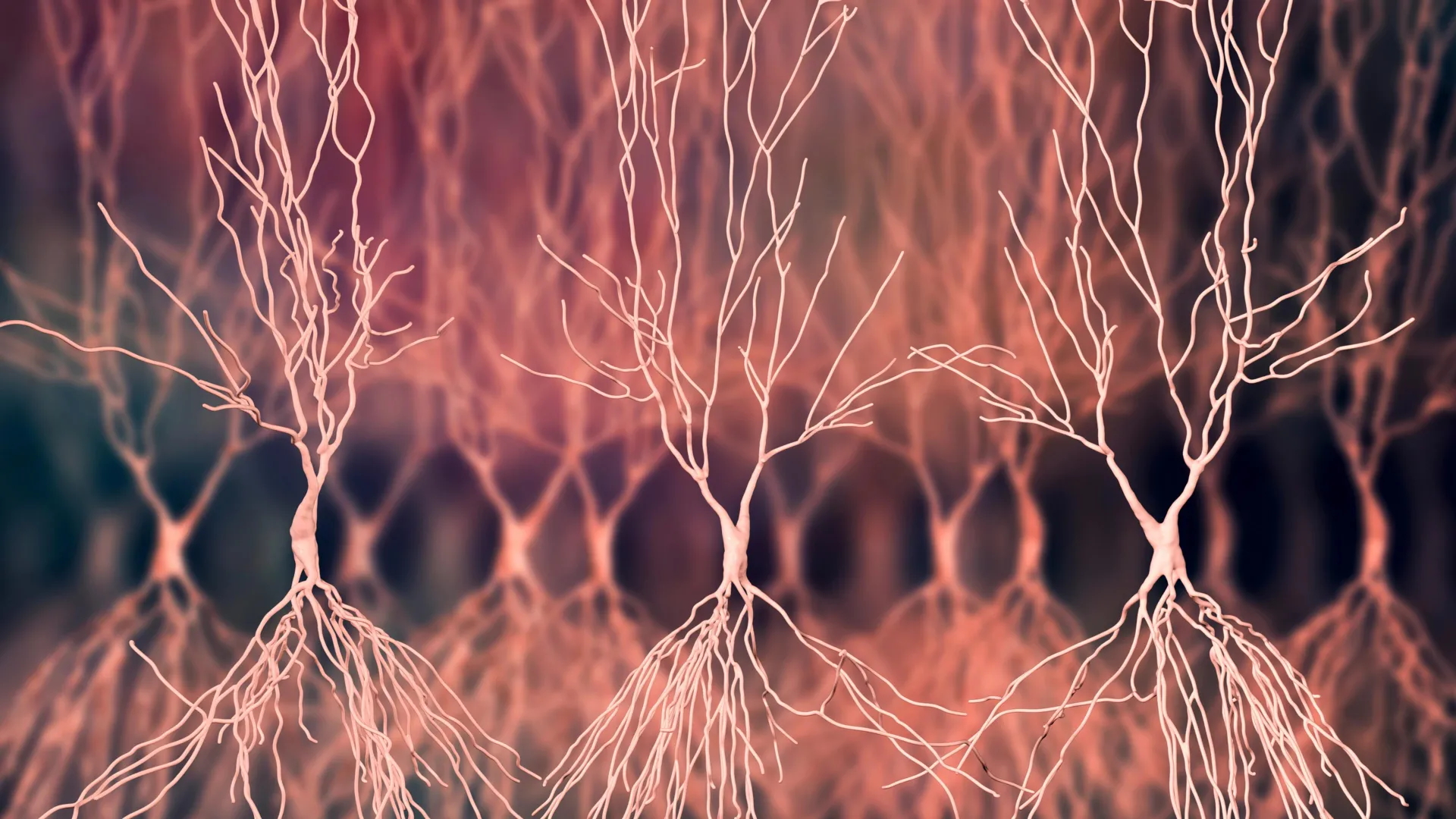
Beginning around age 50, the brain’s memory center appears to lose many of its longtime immune cells and replace them with more inflammatory ones. This surprising shift may help explain how normal aging sets the stage for Alzheimer’s disease and dementia.
Blocking the glycine transporter SLC6A20 restored important brain signaling and improved social, communication, and repetitive behaviors in autism-related mouse models. The treatment also worked in human brain organoids and showed lasting effects in adult mice, suggesting the brain may remain more treatable later in life than previously thought.