Breaking
Blood cancer’s genetic warning signs may appear years early
By Newsdesk6 min read

A stray dog named Hugo has a bounty of 1 million Israeli shekels — about $10,000 — on his head after repeatedly chewing through Israeli communication lines. Supporters call him a hero. Promoters of a coin in his name say fees would go to Palestinian charities.

Researchers have uncovered a possible biological pathway connecting obesity to Alzheimer’s disease. Obesity appears to raise levels of certain fat molecules that can travel to the brain, disrupt its immune defenses, and promote harmful amyloid buildup. Correcting this fat imbalance improved memory and brain function in Alzheimer’s models.
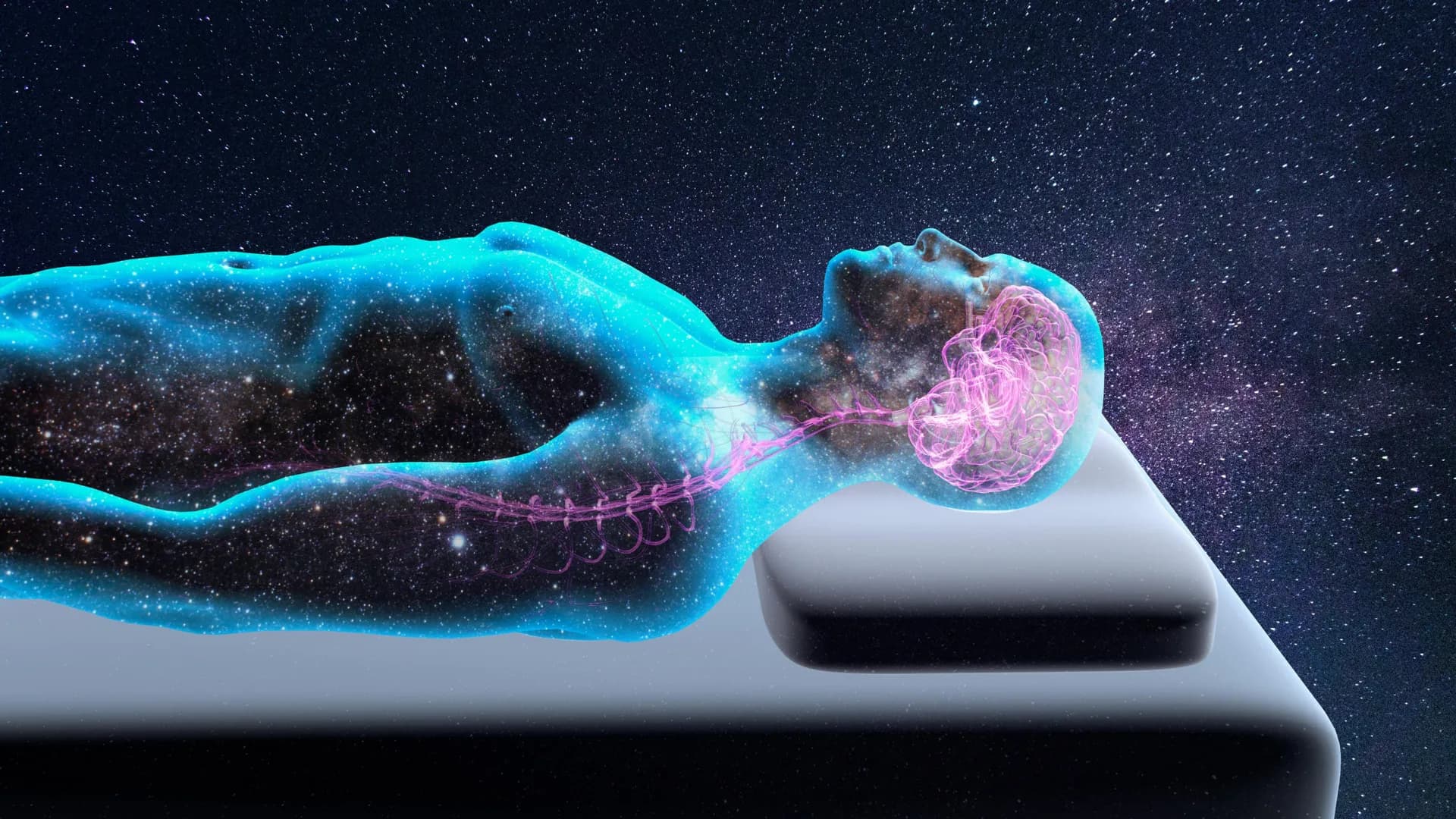
A gene involved in the brain’s overnight cleaning system may change how strongly poor sleep affects Alzheimer’s-related brain changes. The findings point toward more personalized prevention strategies based on both genetics and sleep habits.

A compound in rice bran may help calm an overactive gut by reducing the calcium signals that cause intestinal muscles to contract. Ferulic acid suppressed contractions triggered by several chemical messengers in laboratory experiments. The discovery could eventually support new dietary approaches for diarrhea-related digestive disorders, although it may make constipation worse.
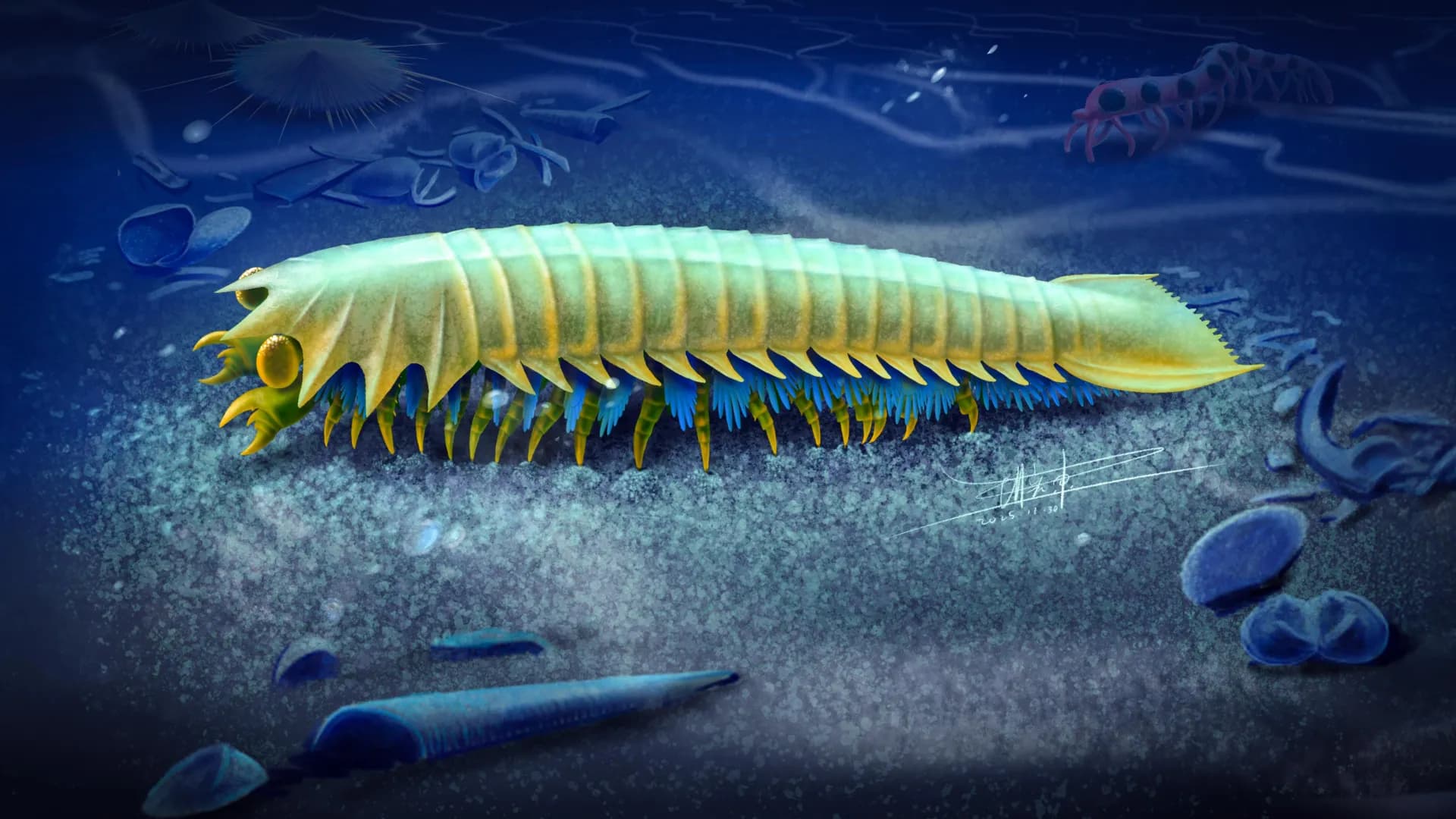
A tiny 518-million-year-old sea creature has revealed the earliest known evidence of the structures that eventually became spiders’ fangs. Hidden inside the fossil were pincerlike limbs and preserved soft tissues that help explain how the ancestors of spiders and scorpions evolved into formidable hunters.







A stray dog named Hugo has a bounty of 1 million Israeli shekels — about $10,000 — on his head after repeatedly chewing through Israeli communication lines. Supporters call him a hero. Promoters of a coin in his name say fees would go to Palestinian charities.

Live, rolling coverage of business, economics and financial markets as GDP rises in June despite Iran war after stagnating in May

Europe's biggest business district in Paris is turning vacant office space into housing
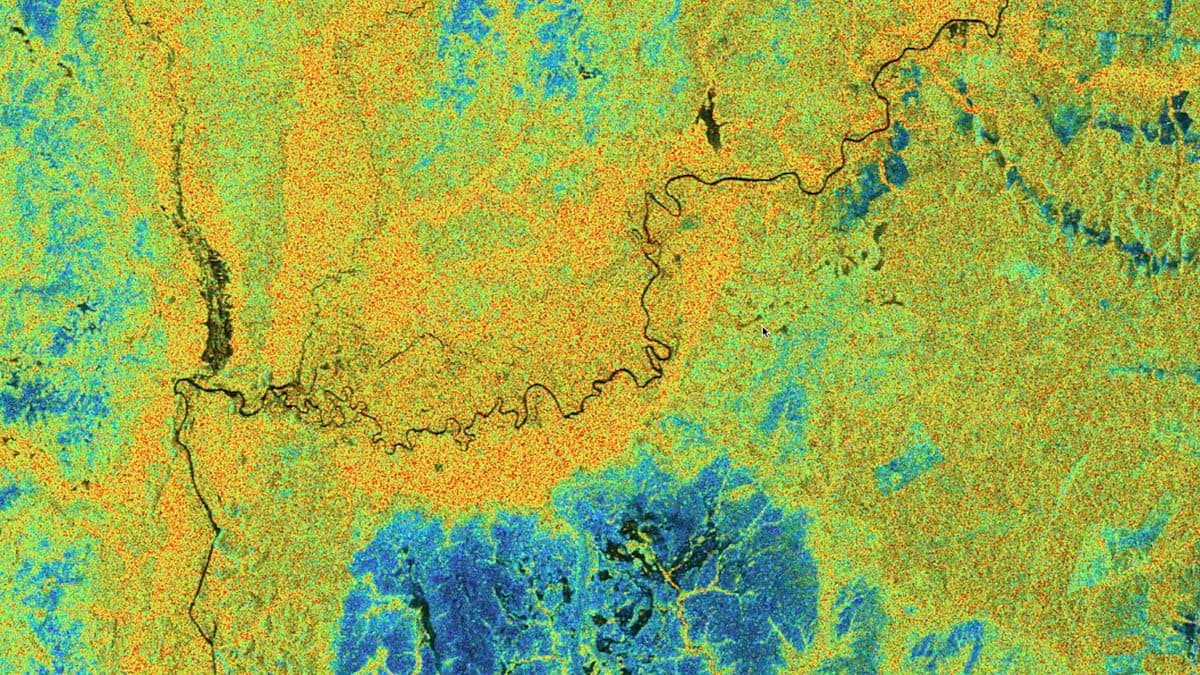
Yasmin Morgan-Griffiths finds out how new technologies are being used to measure the world's forests in more detail than ever before. Suranjana Tewari takes us inside a robotics factory in Beijing.
A tiny 518-million-year-old sea creature has revealed the earliest known evidence of the structures that eventually became spiders’ fangs. Hidden inside the fossil were pincerlike limbs and preserved soft tissues that help explain how the ancestors of spiders and scorpions evolved into formidable hunters.
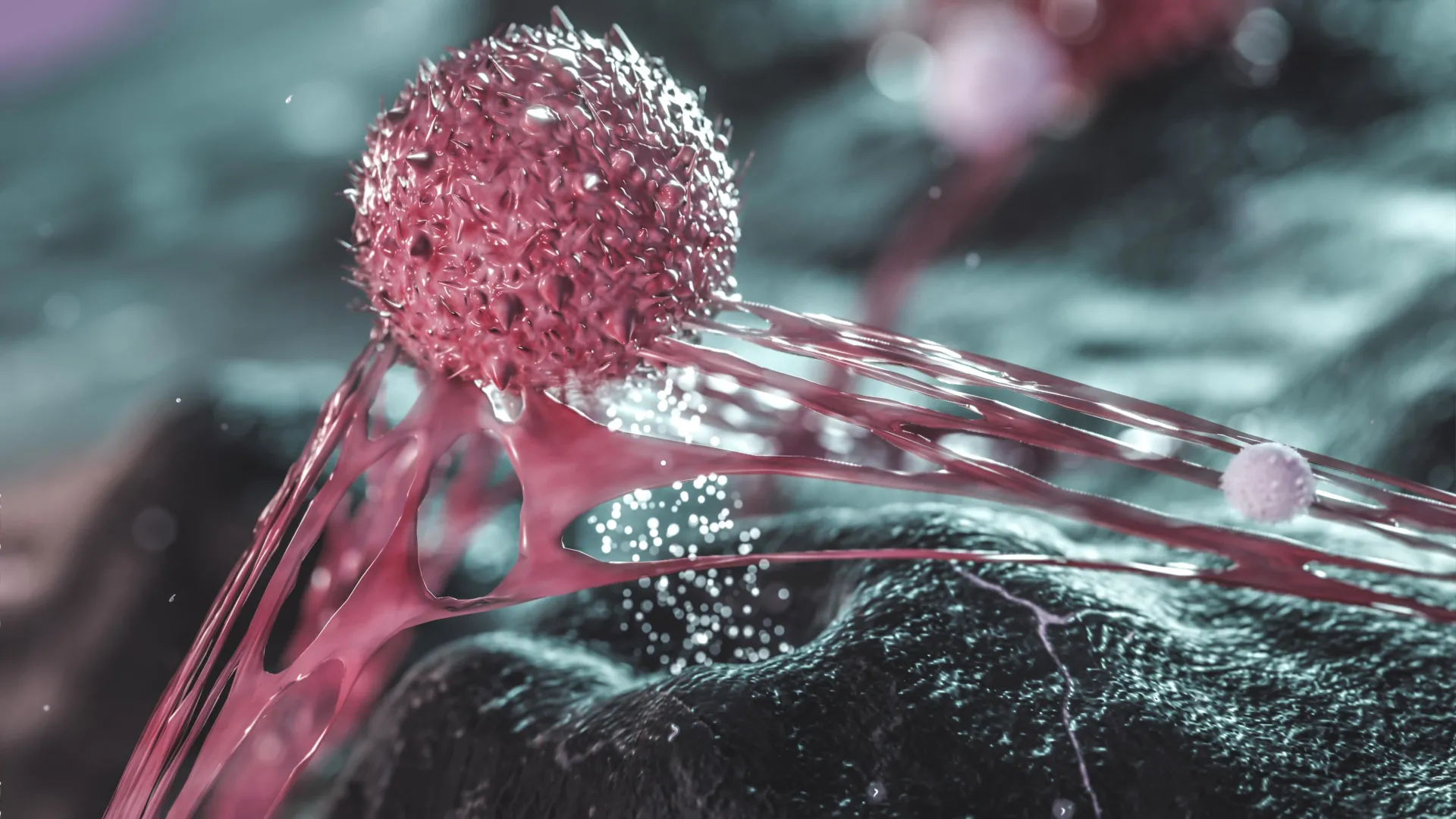
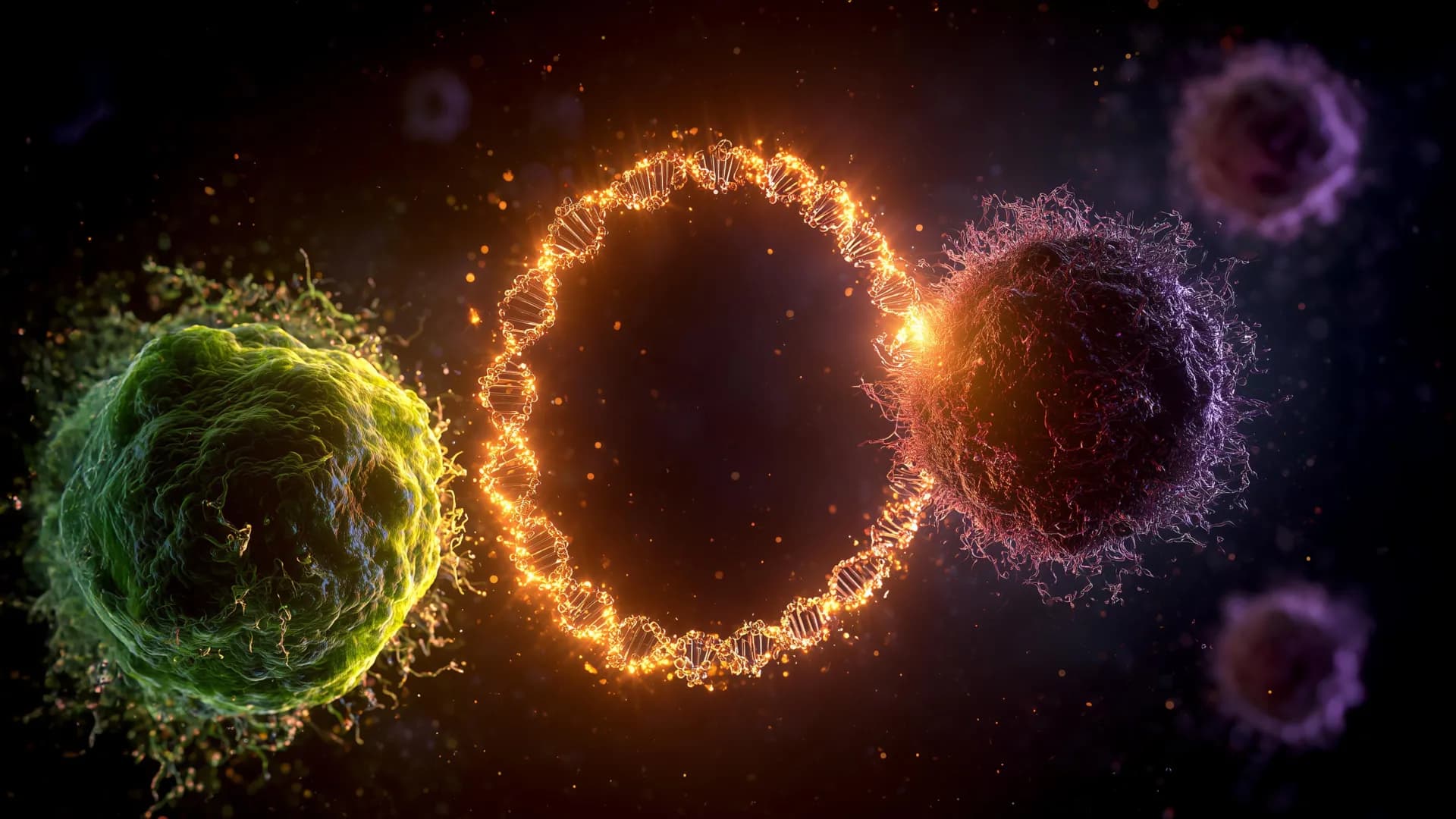
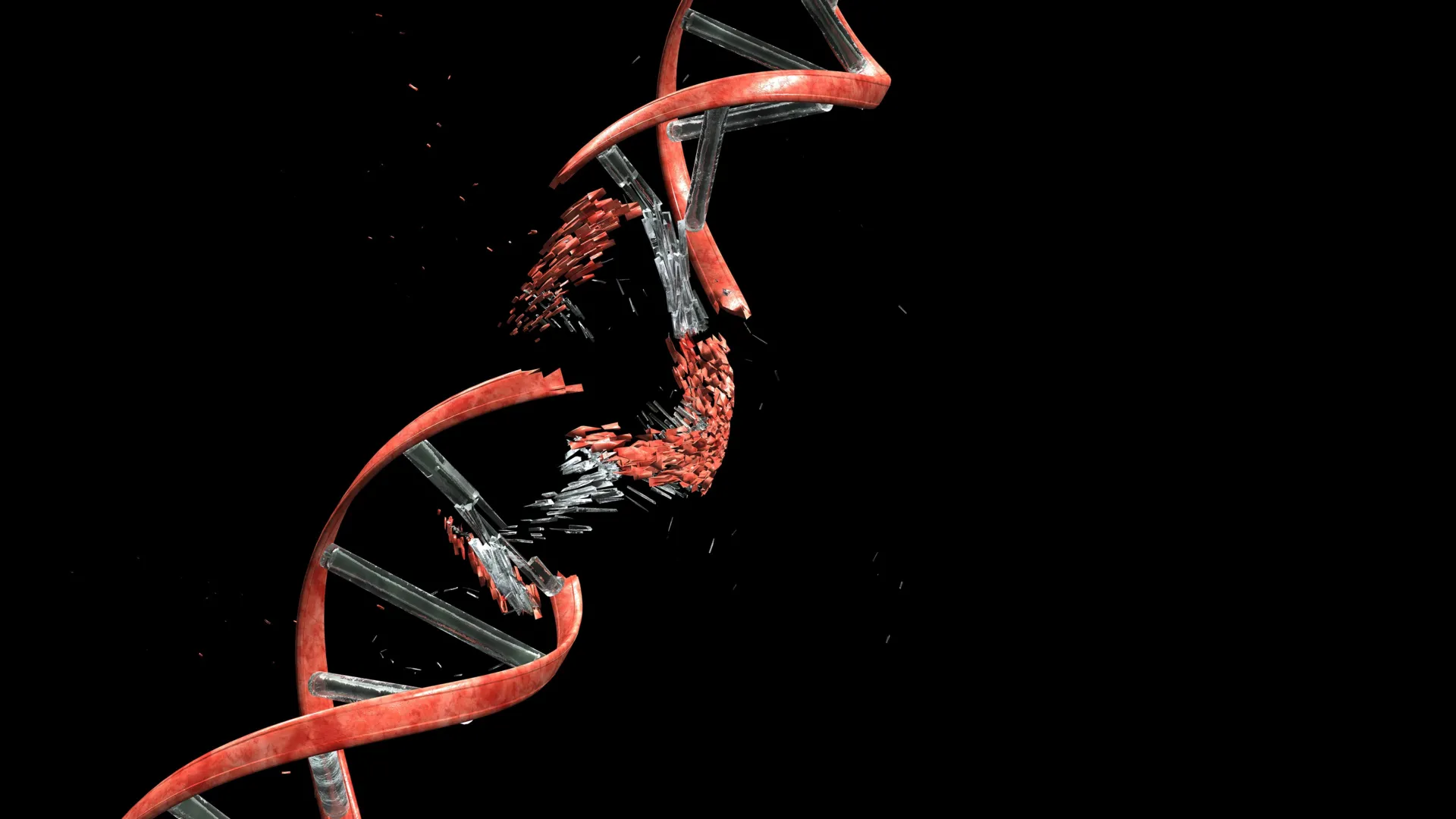
Blood cancers that eventually worsen may carry detectable genetic warning signs years before patients develop serious symptoms. The findings could lead to earlier intervention while also helping doctors distinguish true cancer from harmless age-related blood changes.