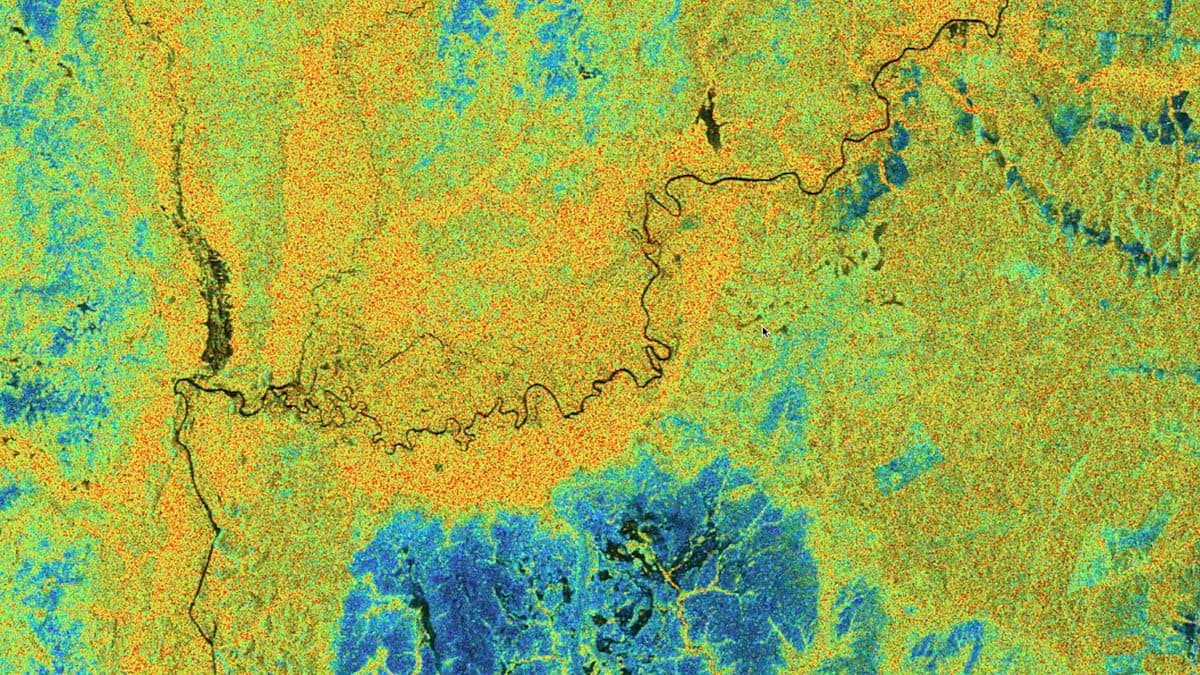
Yasmin Morgan-Griffiths finds out how new technologies are being used to measure the world's forests in more detail than ever before. Suranjana Tewari takes us inside a robotics factory in Beijing.
Physicists have uncovered a surprising limit to electrical resistance caused by particles colliding. Using ultracold potassium atoms trapped in a grid of light, researchers created a highly controlled stand-in for electrons moving through a solid. As collisions became more frequent and intense, resistance initially rose, but eventually hit a ceiling and stopped increasing.
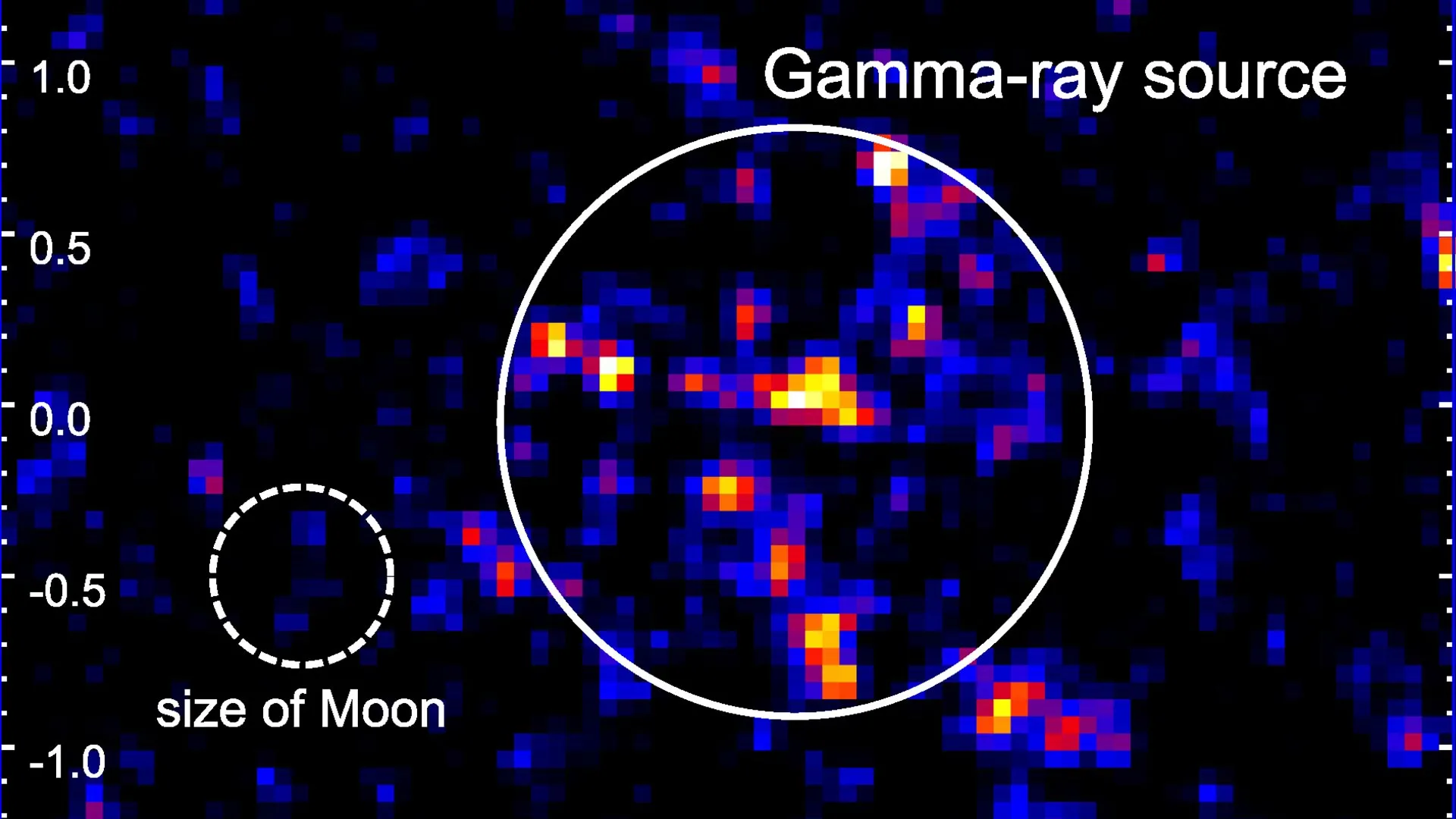
Scientists traced a mysterious surge of low-energy gamma rays from zinc-70 to magnetic changes occurring inside its nucleus. The breakthrough could improve models of how stars, supernovae, and neutron star mergers create heavy elements.
Primordial black holes may occasionally pass through white dwarf stars and trigger enormous Type Ia supernova explosions. Researchers found that these events could explain chemical patterns seen in supernova remnants, nearby explosions, and stars across the Milky Way.
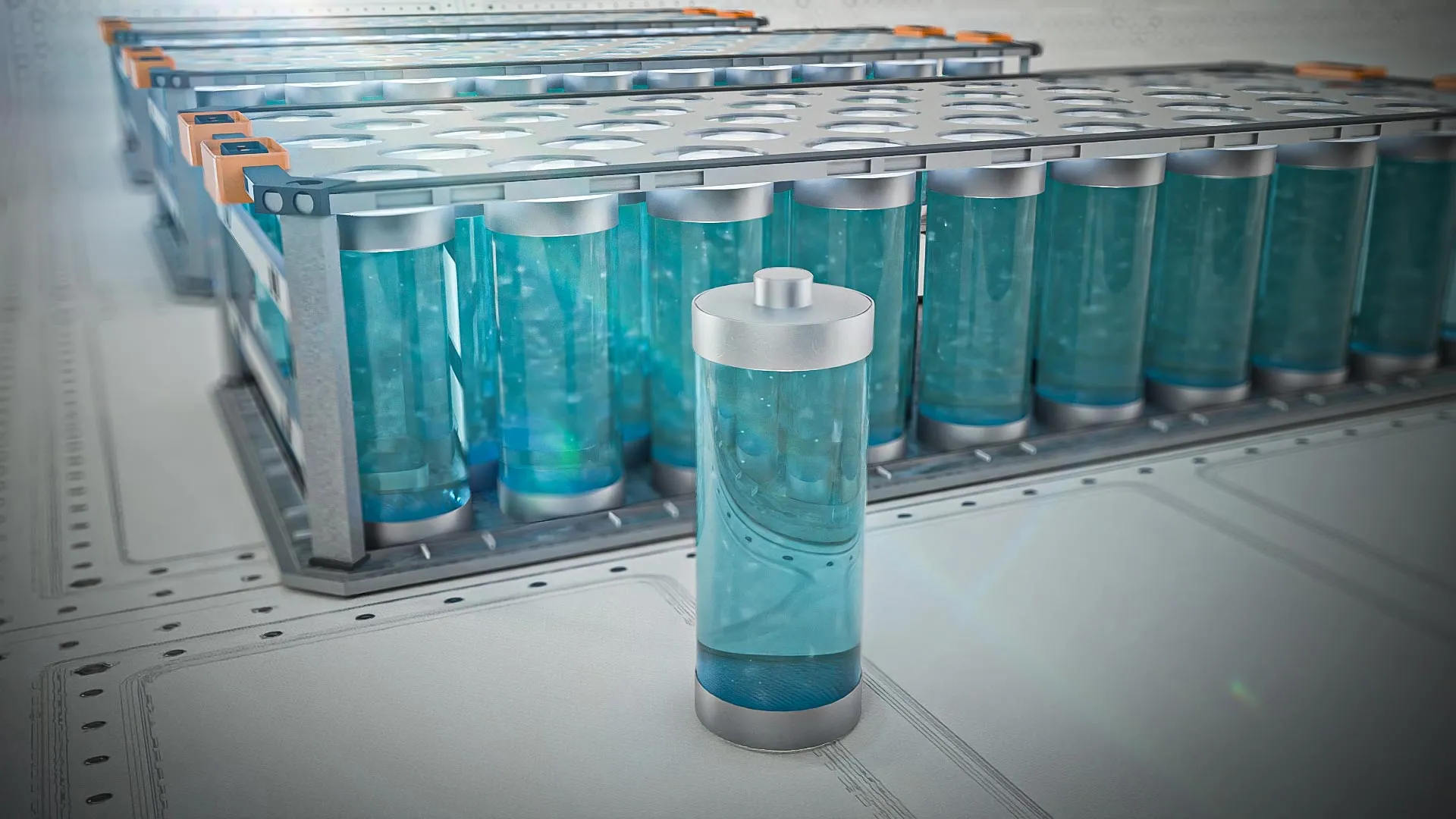
A surprisingly simple change could make sodium-ion batteries far more powerful while opening the door to turning seawater into drinking water. Researchers at the University of Surrey found that sodium vanadium oxide performs much better when its naturally occurring water is left inside instead of being removed during manufacturing.
A new chemical process can transform three of the most common plastics into high-purity hydrogen without sorting them first. The technique operates at much lower temperatures than traditional gasification and captures most of the plastic’s carbon in solid or liquid forms instead of releasing it as carbon dioxide.
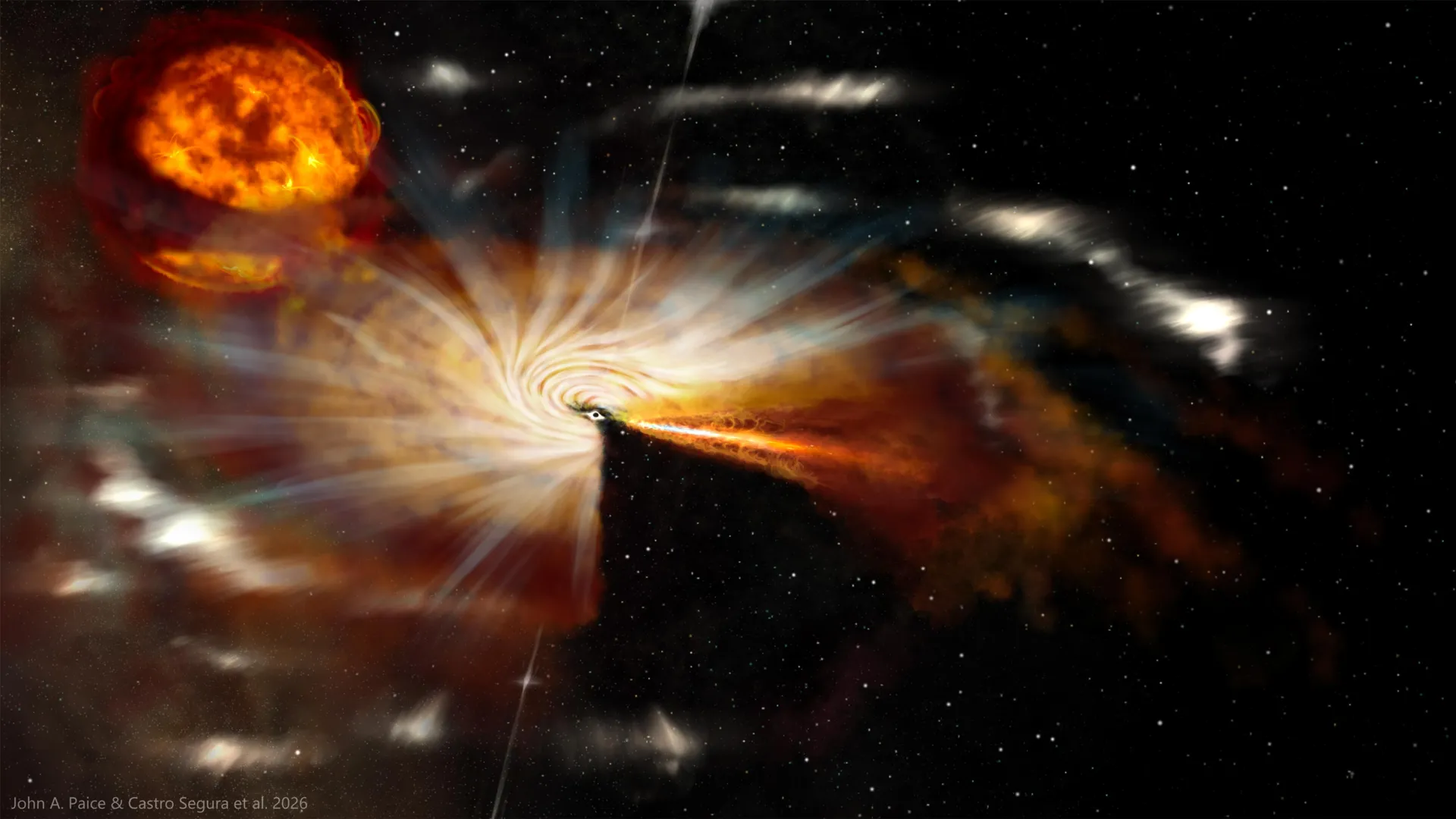
A black hole observed during a dramatic 2023 eruption did not simply devour gas from its nearby companion star. It also expelled large amounts of material through powerful jets and winds, even after the outburst had nearly faded. The results suggest black holes may continue reshaping their surroundings long after their brightest fireworks end.
A person’s sleeping brain may reveal warning signs of dementia long before memory problems begin. Researchers used machine learning to analyze EEG recordings from about 7,000 adults and found that an older-than-expected “brain age” was tied to a sharply higher dementia risk. Every additional 10 years of brain aging raised that risk by nearly 40%.
Engineers have transformed a notoriously brittle cobalt-aluminum compound into a material that is both extremely strong and capable of bending without breaking. Their nanoscale design produced a yield strength about six to 10 times greater than high-strength structural steel while sustaining substantial deformation at room temperature. The approach could enable tougher turbine blades and higher-performance engines.
Scientists have identified LHAASO J1912+1014u as a cosmic accelerator that can push protons beyond one quadrillion electron volts. The finding may help reveal where the Milky Way’s most energetic cosmic rays come from and how they influence the galaxy.
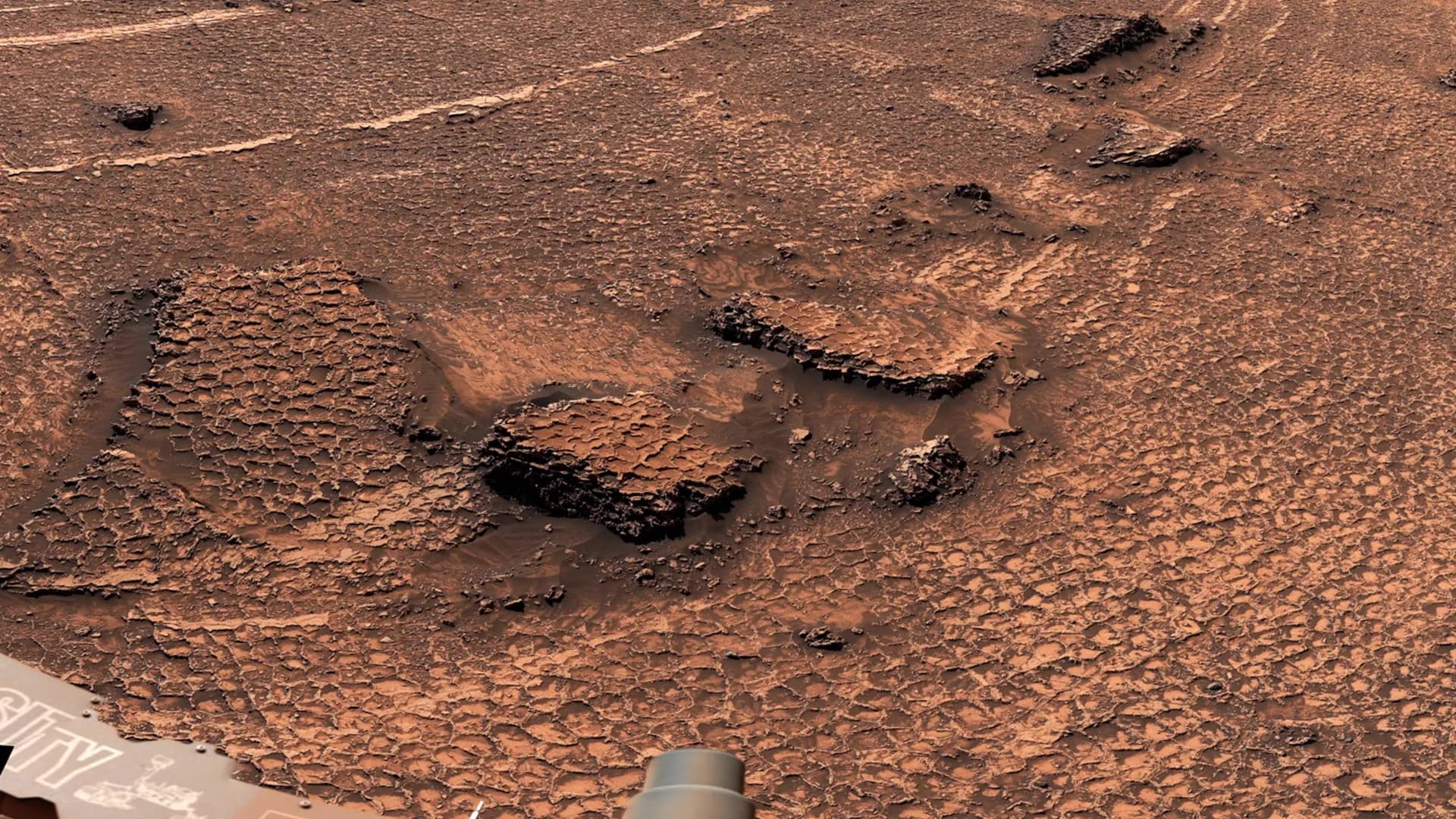
NASA’s Curiosity rover has entered a Martian valley covered by an astonishing “sea” of tiny polygon-shaped fractures. The honeycomb patterns, each only a few inches wide, stretch across the landscape and even wrap around a nearby 20-foot-tall butte.
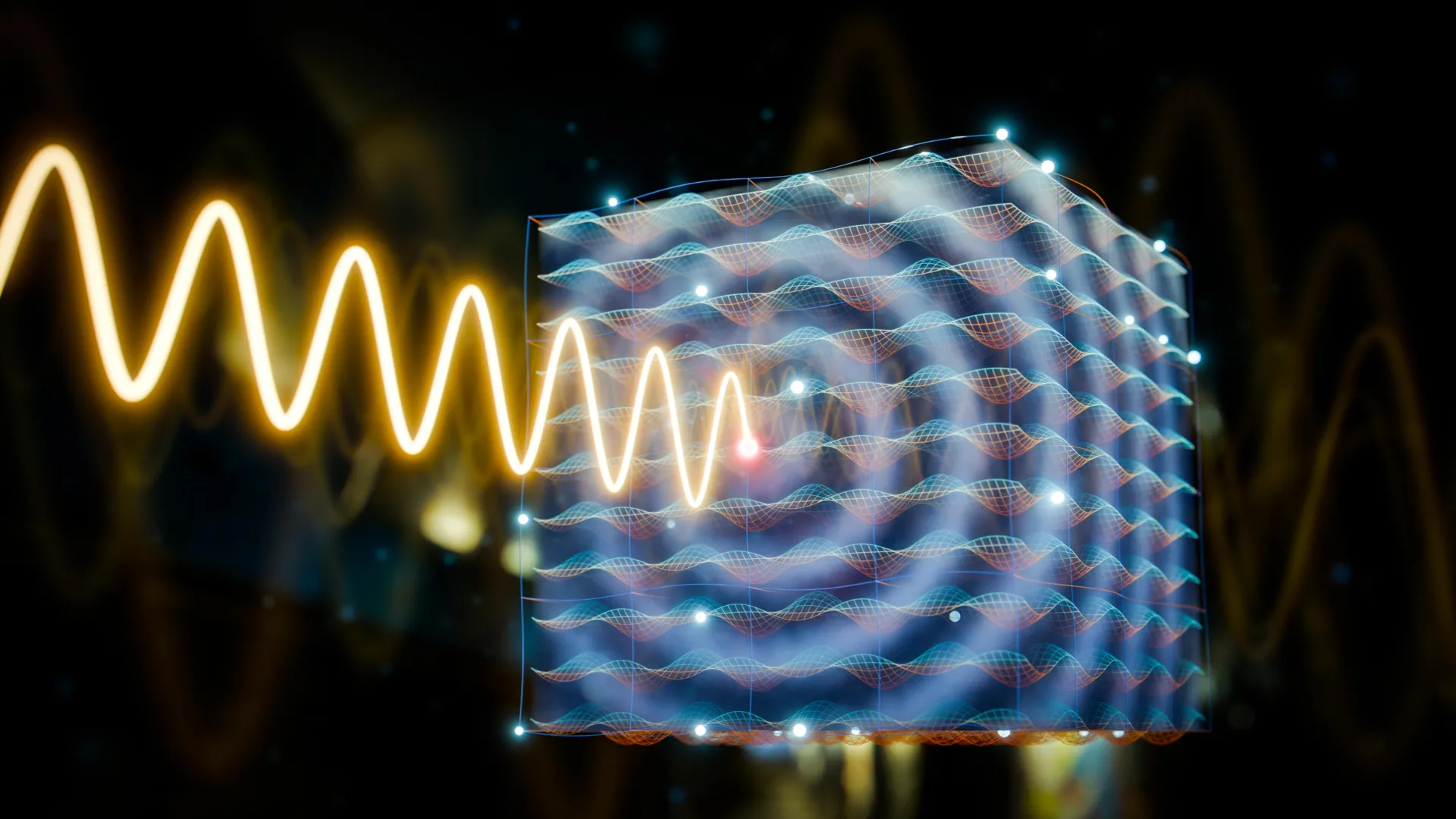
Scientists have built the first all-optical photonic time crystal, allowing them to reshape the behavior of terahertz light at extraordinary speeds. The breakthrough could open the door to ultrafast computing, smarter communication systems, advanced imaging, and a new generation of highly tunable lasers.
Mathematicians have shown that no electoral system can perfectly balance local representation, proportional national results, and a fixed-size parliament once enough parties compete. A newly proposed voting method could soften these unavoidable trade-offs and produce outcomes that are much closer to fair.
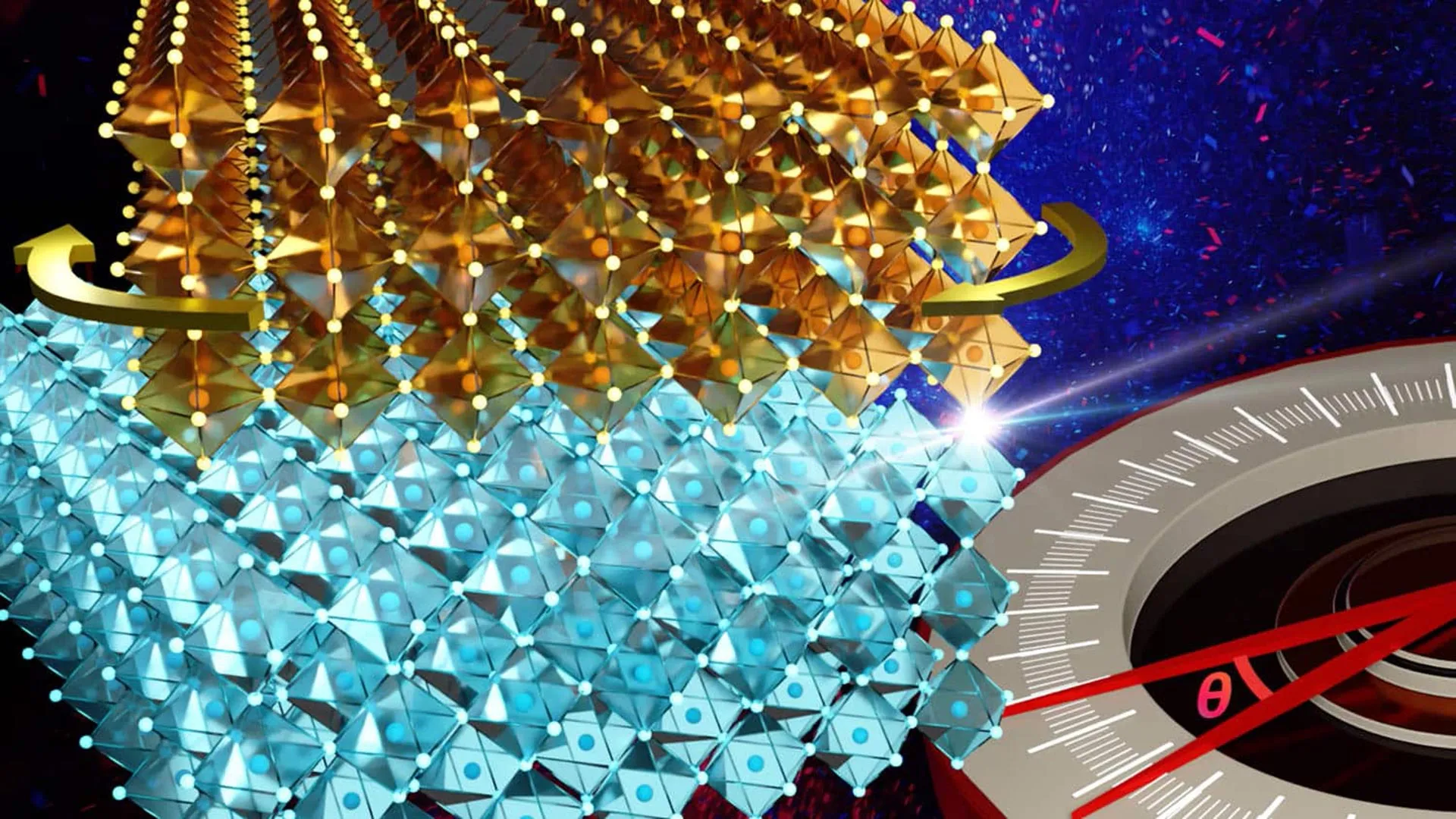
Researchers have found a way to build much larger “twisted” oxide materials while precisely controlling how their atomic layers line up. Because these materials can be made over large areas and transferred onto different surfaces, the technique could help turn twistronics from a laboratory curiosity into a practical platform for next-generation electronics.
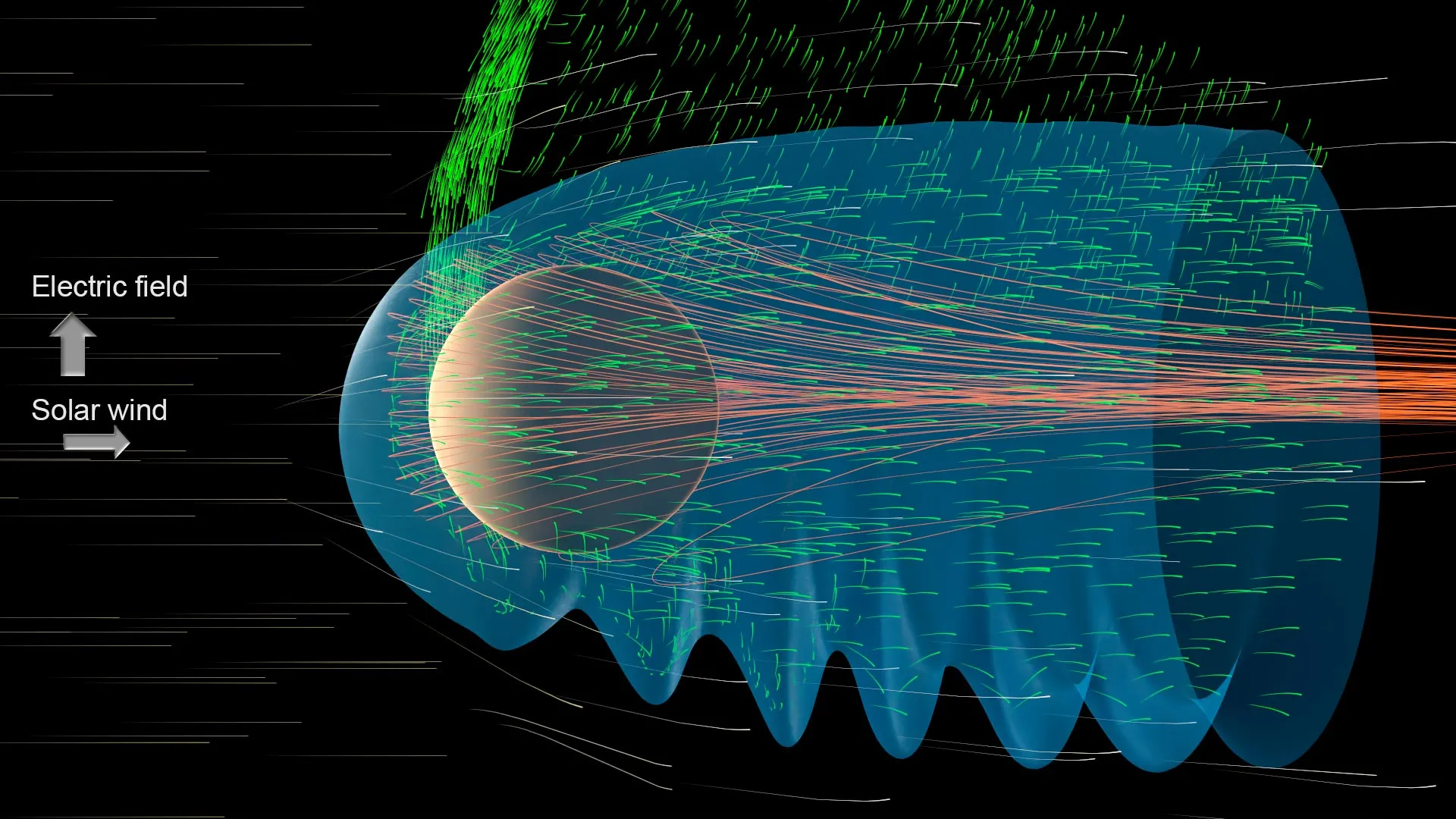
The solar wind may be stripping away Mars’ atmosphere by creating giant rolling waves along its outer edge. Data from MAVEN and Tianwen-1 show that these waves form plasma clouds that carry atmospheric particles into space. The process is concentrated on one side of Mars and may have played a major role in drying out the once potentially habitable planet.
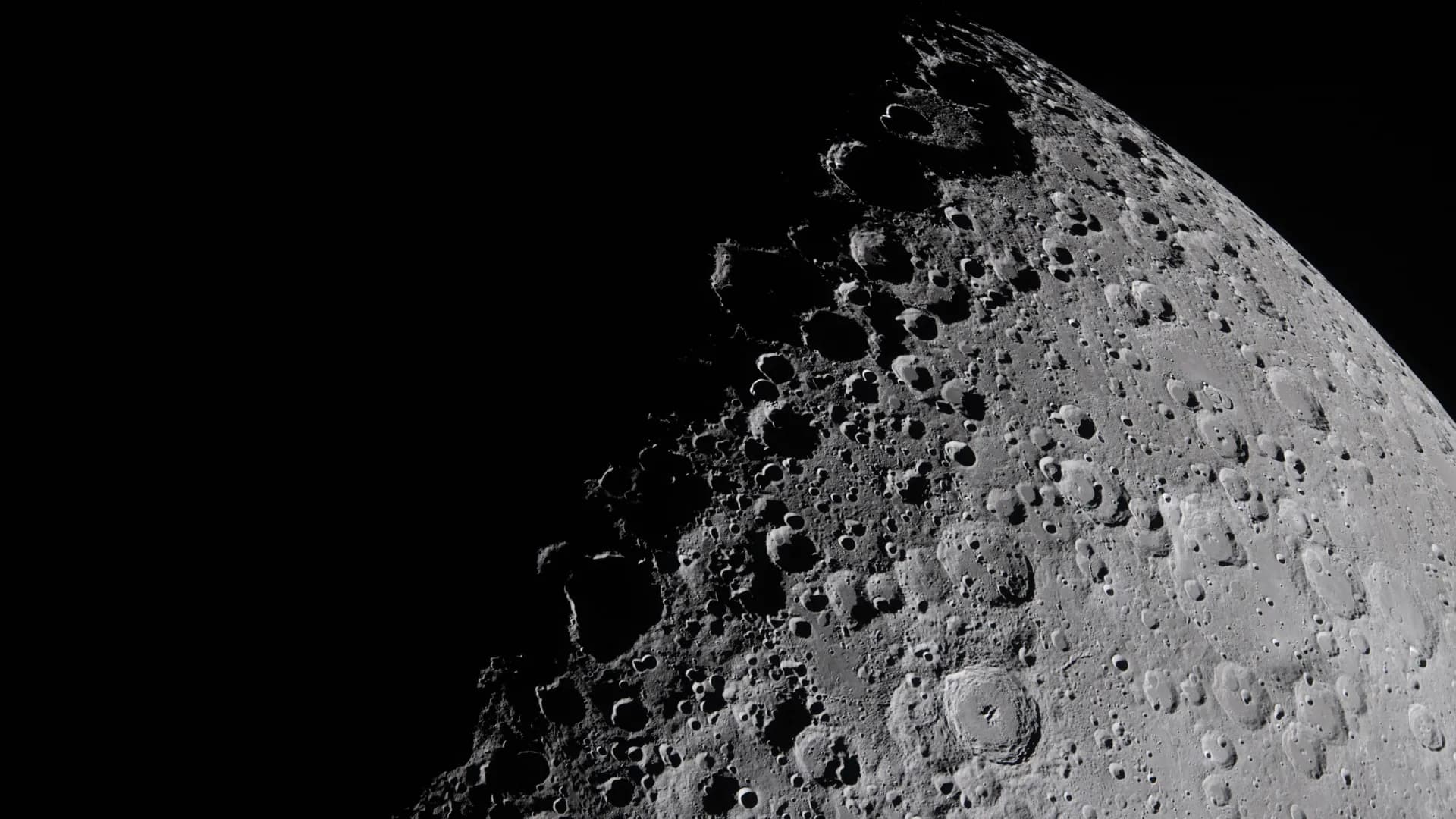
Hidden moon ice may reveal itself through the way it bends and reflects vibrations from moonquakes. The technique could help astronauts locate vital water supplies and uncover clues about the origins of Earth’s oceans.
A new 3D printing technique can produce exceptionally hard tungsten carbide cobalt while using less of its expensive raw materials. By softening rather than fully melting the material, researchers created defect-free samples with industrial-grade hardness and opened the door to more efficient manufacturing.
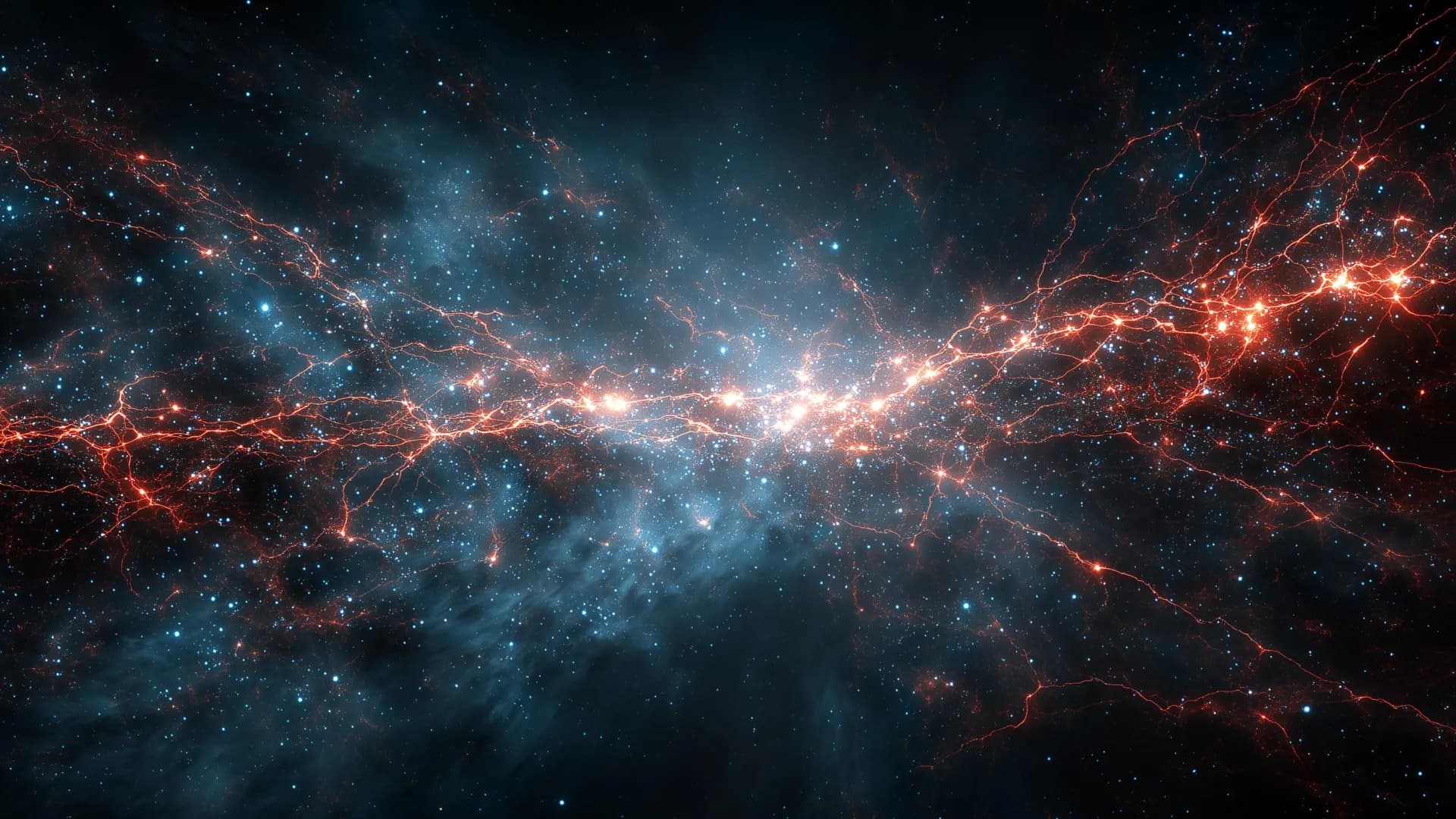
Dark matter particles may exert a hidden force on one another, but its effects are stranger than expected. An extra attraction helps the particles cluster, yet it also makes dark matter effectively lighter as the Universe expands. That weakens its gravitational impact and usually slows the growth of cosmic structure rather than accelerating it.
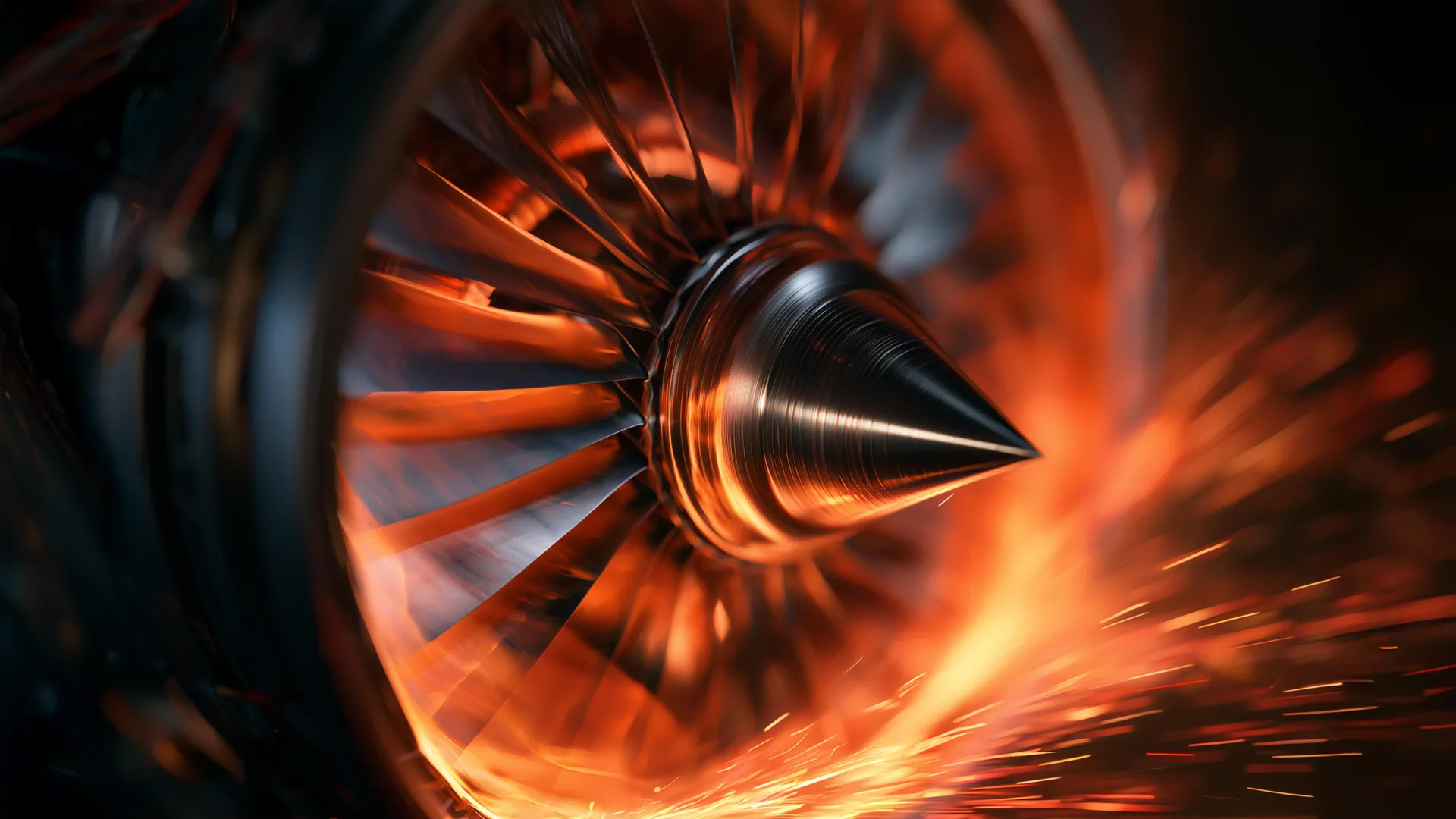
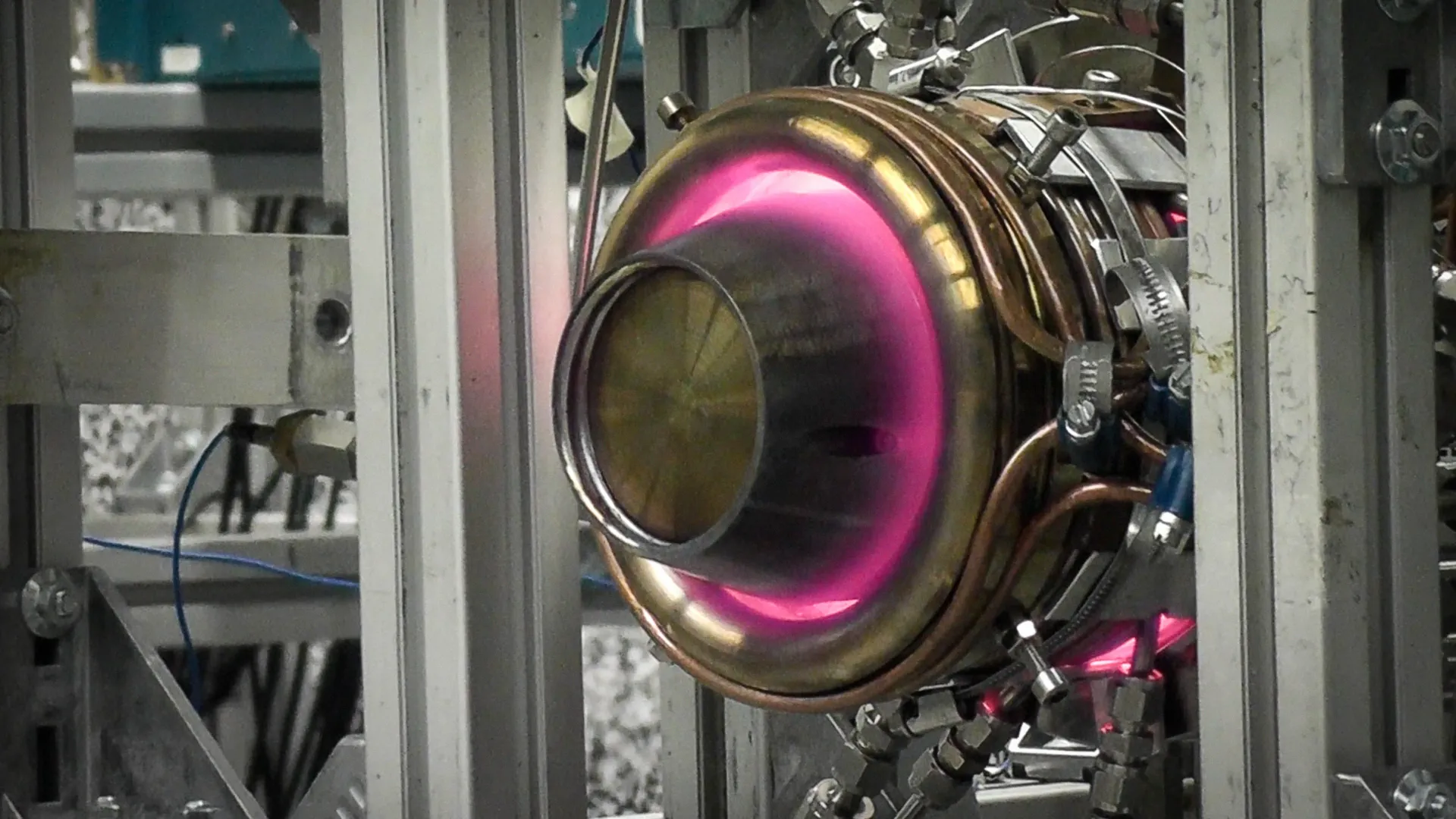
Scientists have successfully generated electricity with a hydrogen turbine that produces its own pressure through detonation waves instead of relying on a mechanical compressor. The breakthrough could unlock dramatically more efficient power systems for clean energy and future aviation.
Photons traveling through a cloud of atoms can emerge so early that they appear to have spent a negative amount of time inside. Researchers tested whether this was merely a misleading feature of the light pulse by making extremely weak measurements of the atoms. Surprisingly, the atoms confirmed the same negative dwell time. The finding does not break standard physics, but it reveals that one of quantum mechanics’ strangest effects is physically measurable.
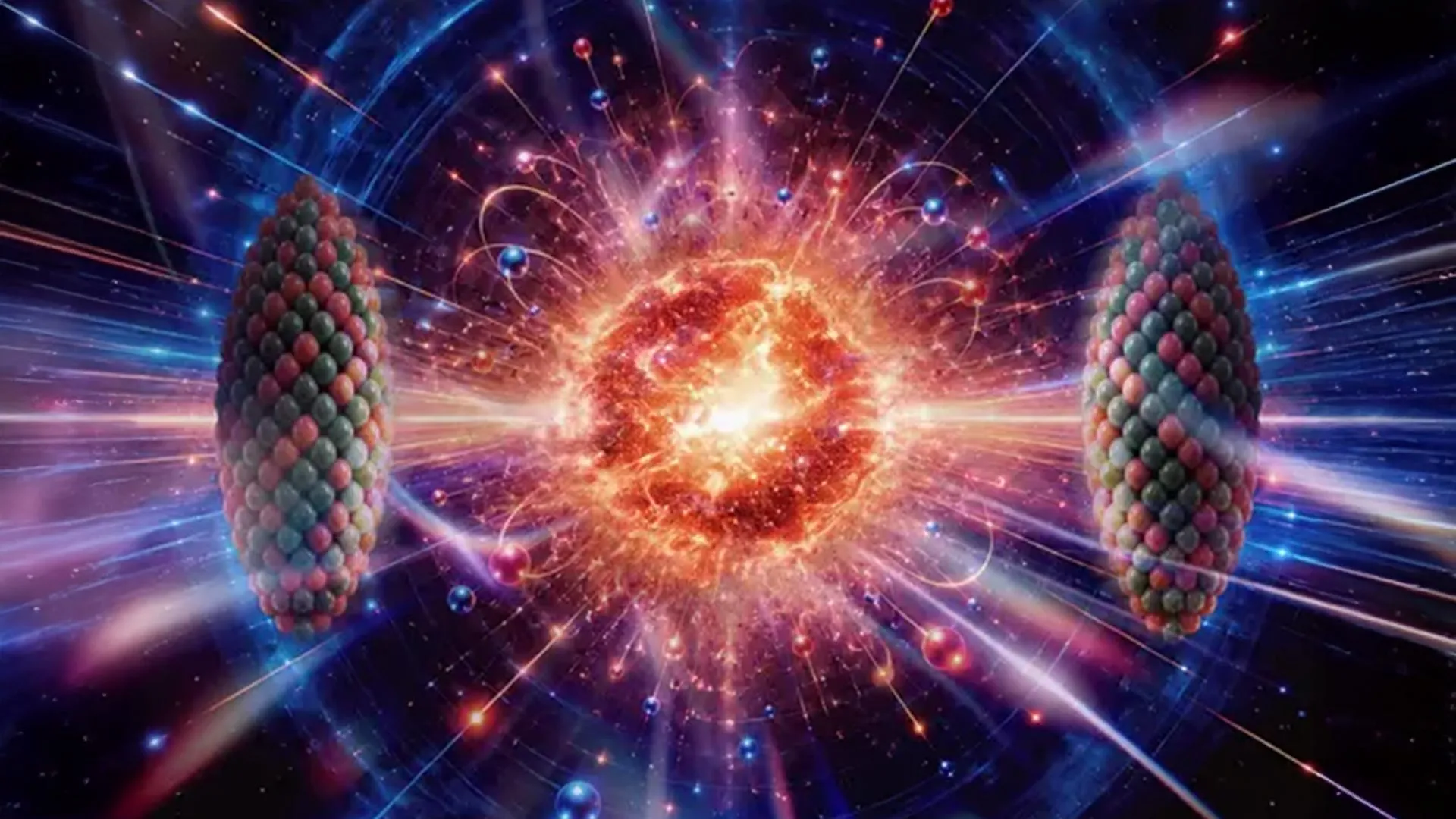
When atomic nuclei smash together at nearly the speed of light, they create the hottest fluid in the universe, but scientists may have overlooked one of its most important forces. New simulations reveal that extreme acceleration builds up along the edges of quark-gluon plasma, helping drive its explosive expansion. This acceleration may do far more than move the fluid, potentially changing its temperature-like behavior, influencing particle spins, and even reshaping how matter transitions between fundamental states.
A mathematician working at Anthropic says he used the AI model Claude Fable 5 to uncover a remarkably simple counterexample to the Jacobian conjecture, a famous problem that has resisted mathematicians for more than a century. The result shows that the conjecture is false in three dimensions and above, although the original two-dimensional version remains unsolved.
A massive magma reservoir has been detected deep beneath Tuscany, despite showing no obvious signs at the surface. Scientists mapped the roughly 6,000-cubic-kilometer body using natural ground vibrations recorded by dozens of seismic sensors. It poses no immediate danger, but the discovery reveals how enormous volcanic systems can remain hidden and could transform the search for geothermal energy and critical minerals.