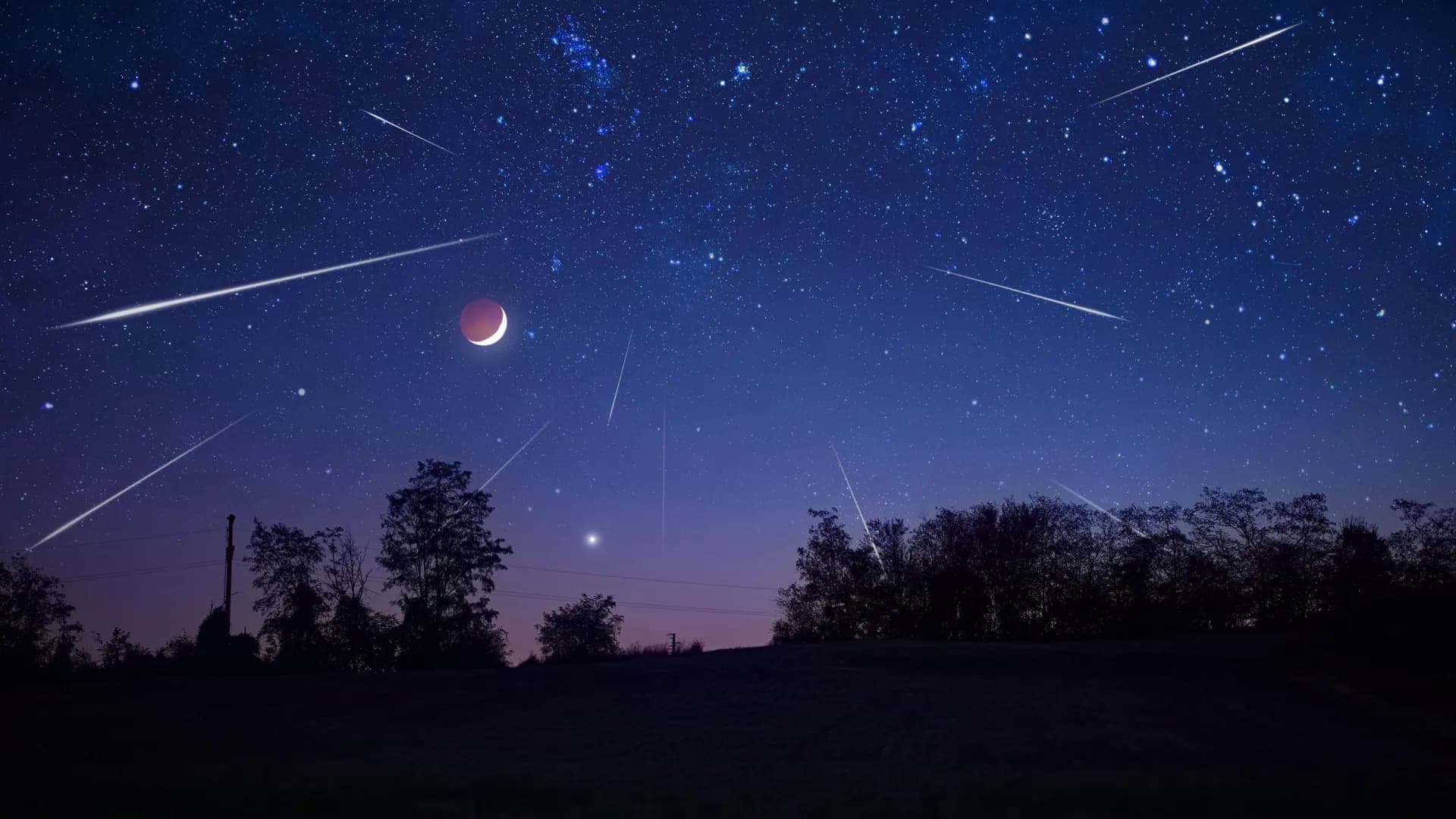
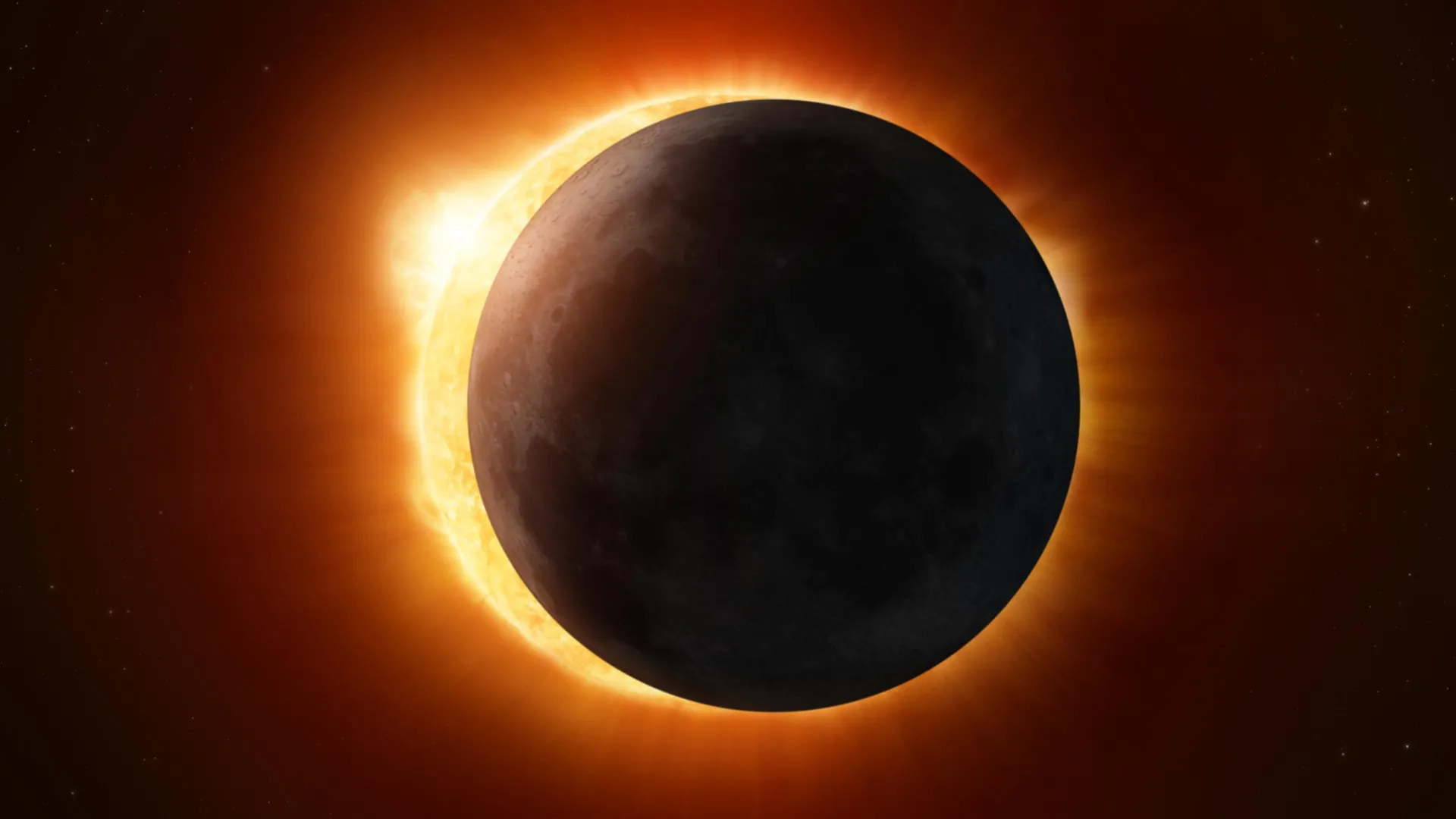
August brings four major celestial events, including a solar eclipse and the peak of the Perseid meteor shower. Dark New Moon skies could make the Perseids especially impressive, while Venus will blaze in the west after sunset. A deep partial lunar eclipse closes the month, darkening most of the Moon.
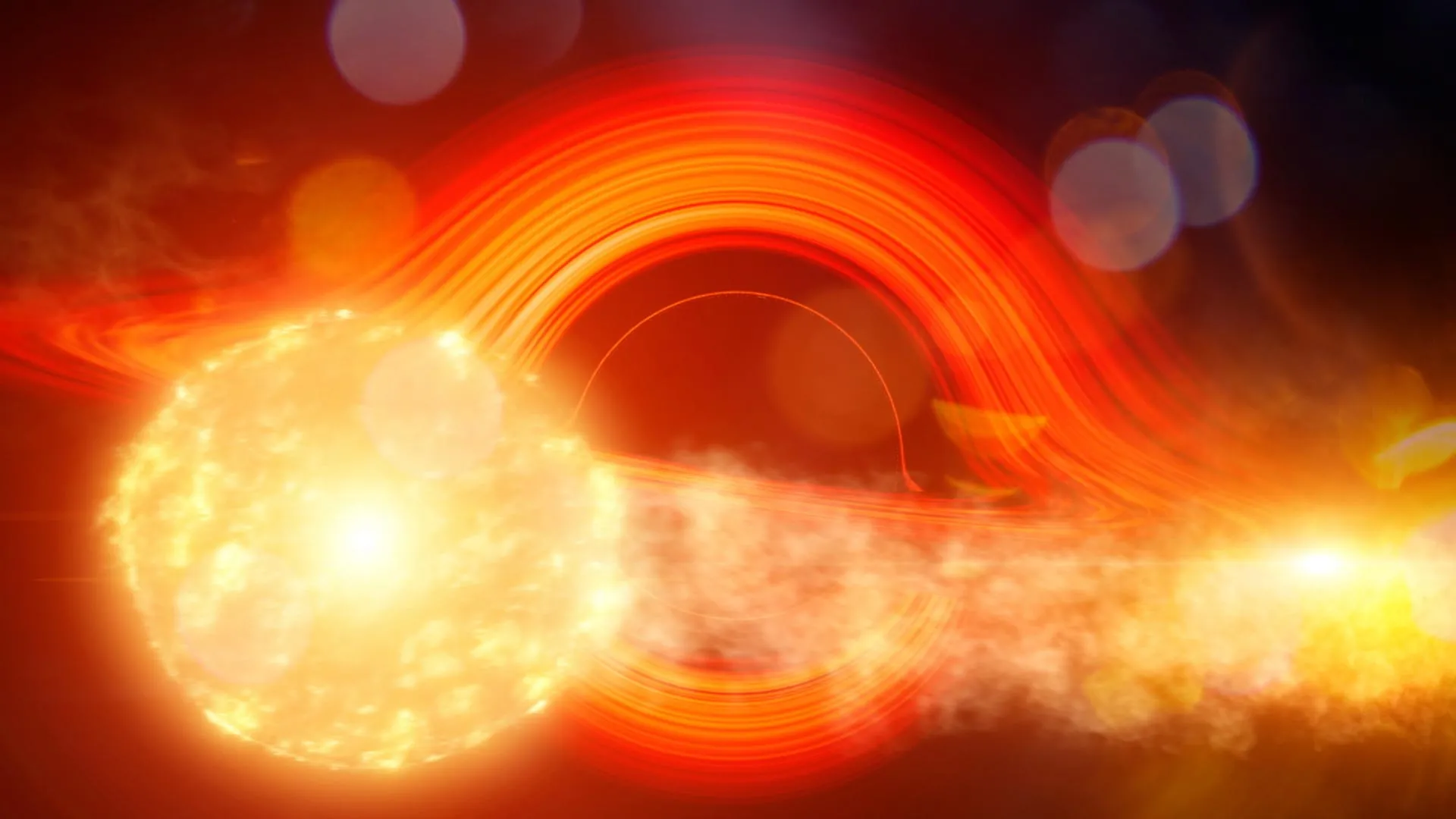
A supermassive black hole has been found lurking about 30,000 light-years from the center of its galaxy—the first dormant black hole detected so far from a galactic core. It revealed itself only after shredding a passing star and producing a brief, brilliant flare. Astronomers think it may be the remnant of a devoured galaxy or a black hole flung outward during a chaotic cosmic encounter.
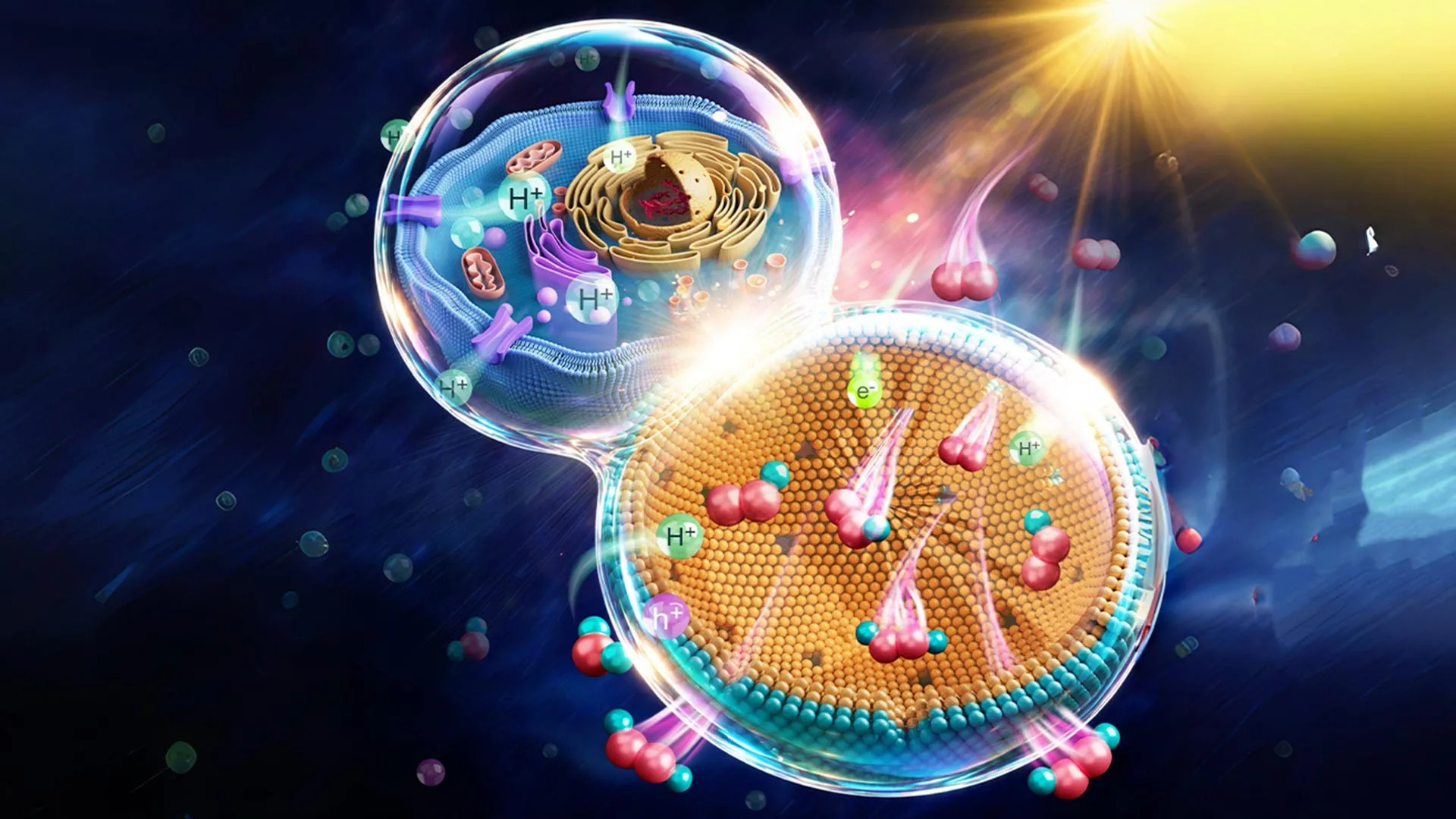
A new hollow nanoreactor mimics living cells to make hydrogen peroxide more efficiently using visible light. Its light-trapping cavity and proton-shuttling shell could open new possibilities for cleaner chemical manufacturing and artificial photosynthesis.
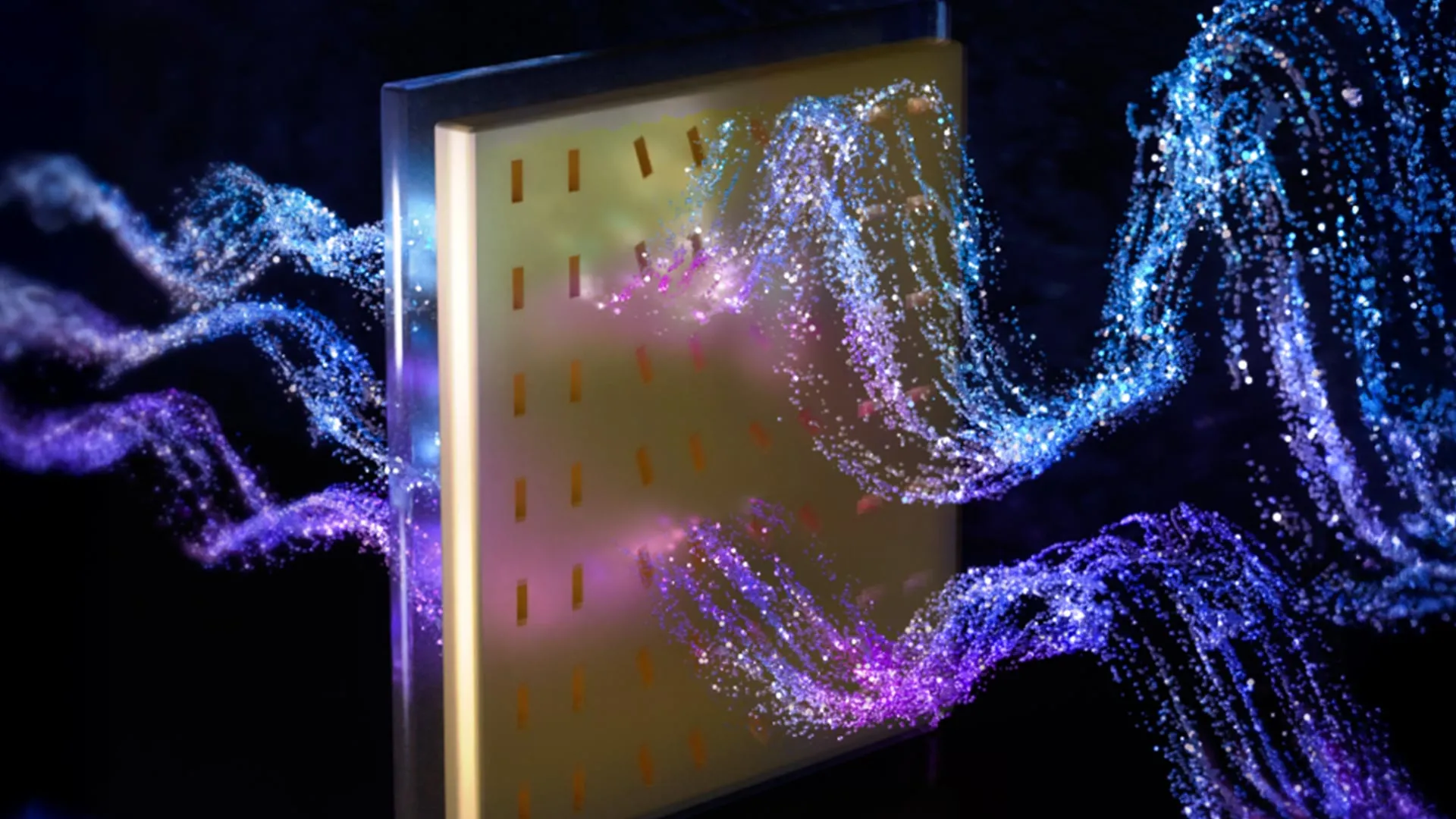
Scientists have created the first quantum material that can sort and transport different quantum states of light at room temperature, potentially removing the need for bulky, ultra-cold refrigeration systems. Built from a gold film carved with hundreds of microscopic structures, the ultrathin “metacrystal” acts like a filter that directs different kinds of quantum light along separate paths while preserving the information they carry.
Scientists have demonstrated that heat can move through a crystal in focused, wave-like rays at room temperature instead of spreading randomly. The breakthrough could make it possible to route heat around sensitive parts of next-generation chips and quantum devices.
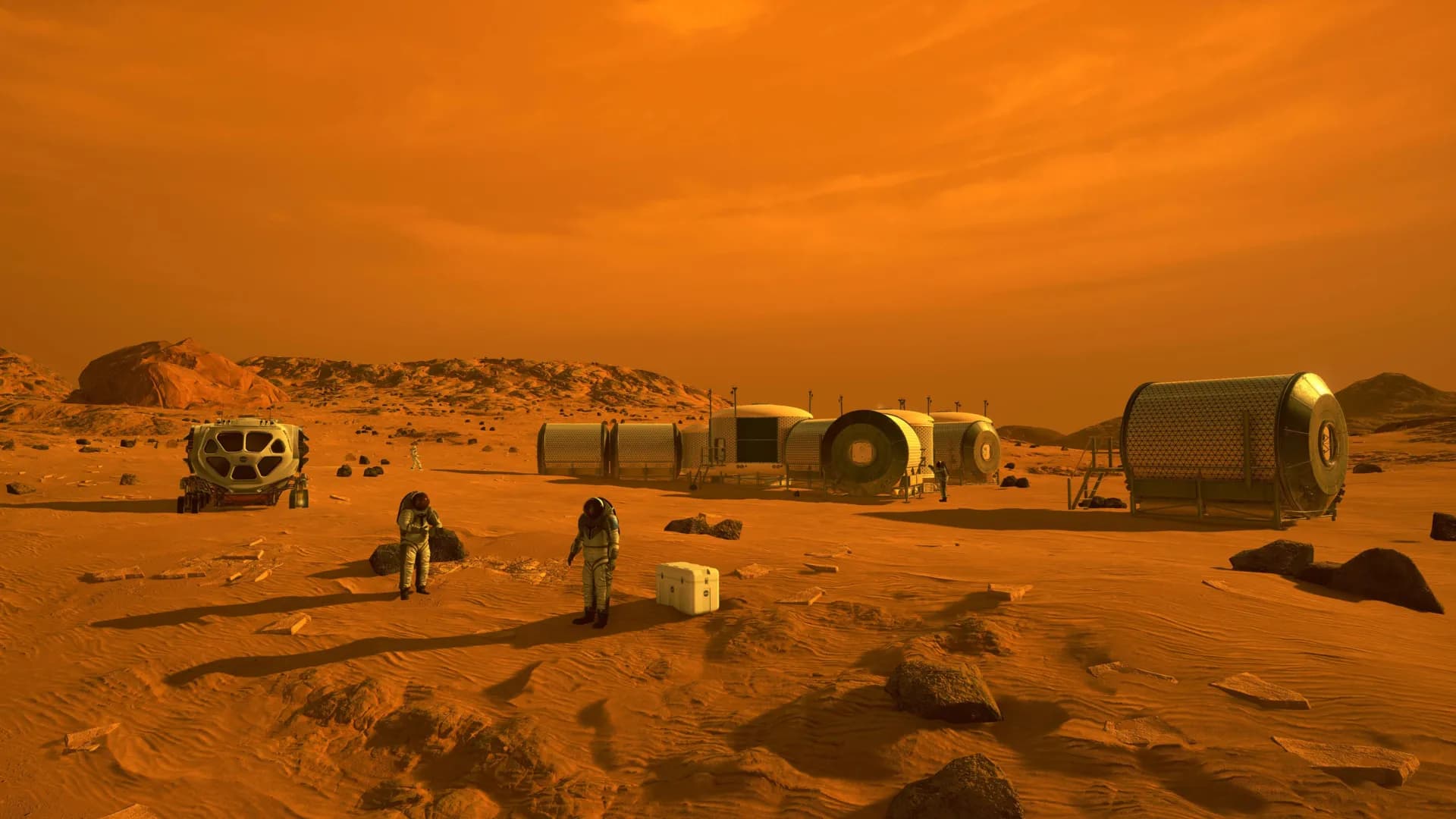
Metal-rich asteroids could one day become hardware stores for Mars, supplying the materials needed to build and repair a growing colony. A new analysis shows that carefully selected asteroids may be reachable with current spacecraft technology. Some could even provide the ingredients for making rocket fuel in space, dramatically reducing the burden of hauling supplies from Earth.
A ten-month Antarctic experiment found that astronauts may struggle not only with loneliness but also with spending too much time around the same people. Frequent contact was linked to greater tension and mistrust, while the crew increasingly divided into cultural and language-based groups.
A new nanostructured carbon design lets fuel-cell catalysts use tiny amounts of platinum while remaining remarkably stable and efficient. The breakthrough could help hydrogen fuel cells become a more practical way to power data centers, vehicles, and other energy-intensive technologies.
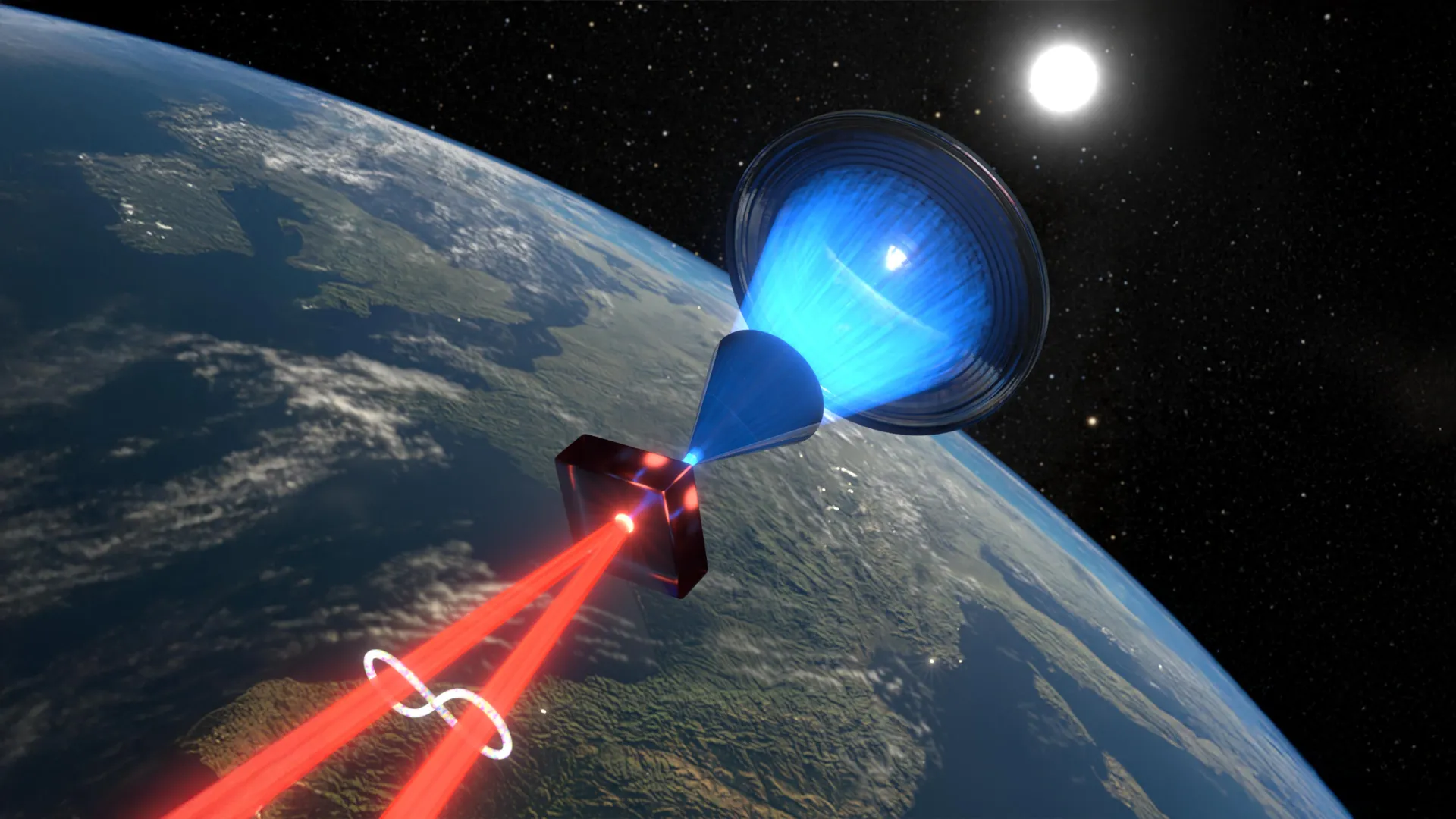
Scientists have generated quantum entanglement directly from sunlight, potentially offering a lower-energy alternative to the lasers normally used in quantum technology. Their outdoor experiment produced entangled photons with about 94% similarity to an ideal state. The result could pave the way for simpler quantum satellites, secure communications, and more energy-efficient quantum computing.
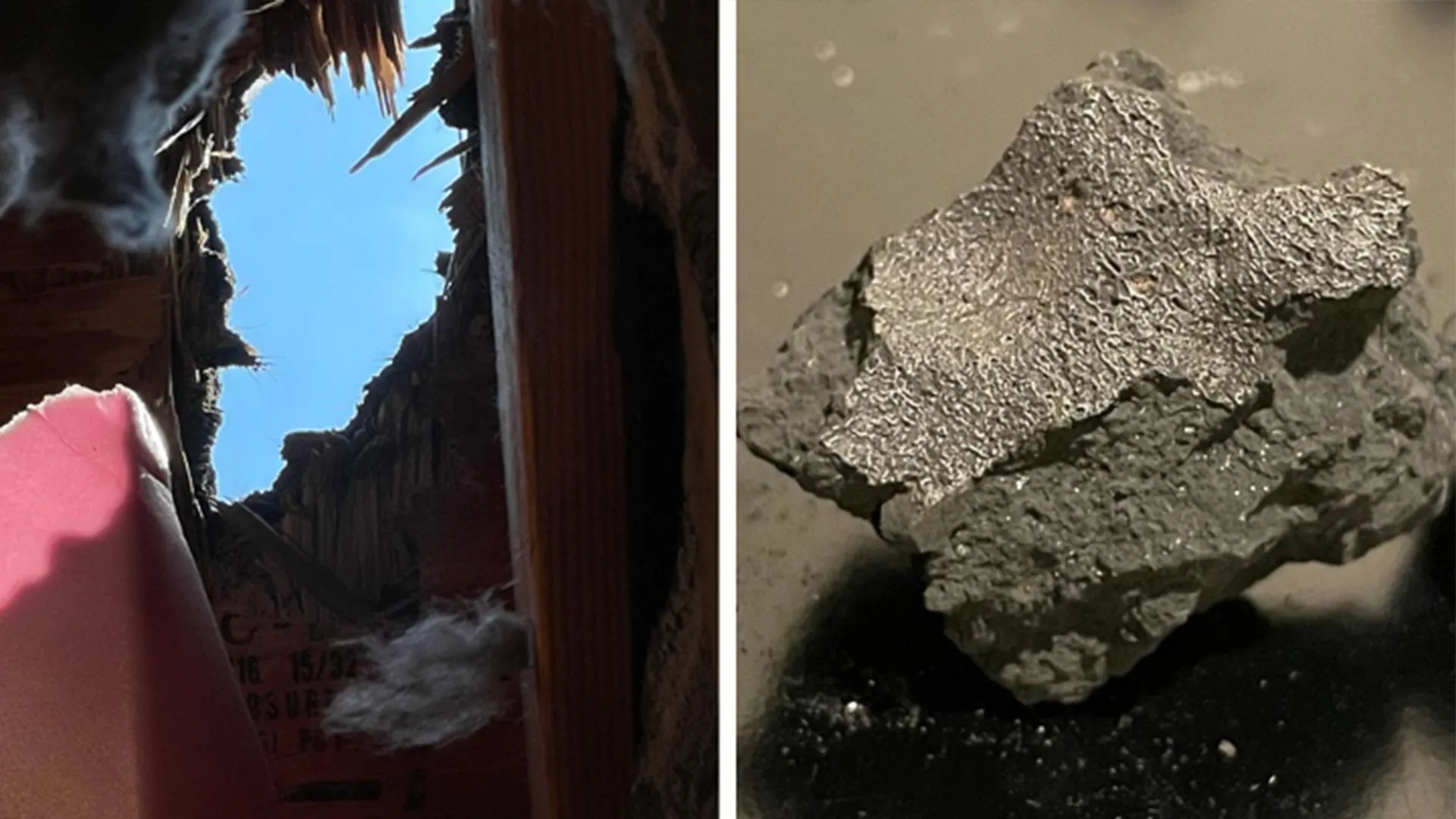
A rare meteorite that crashed through a New Jersey roof contains evidence of ancient salty fluids, organic compounds, and amino acids from a primitive asteroid. Its pristine chemistry could offer new clues about how space rocks helped supply early Earth with some of the ingredients needed for life.
Chemists have developed a catalyst that breaks a long-standing rule governing which molecules receive electrons during chemical reactions. By releasing electrons directly into solution, the technique could unlock reactions—and potentially useful new molecules—that were previously out of reach.
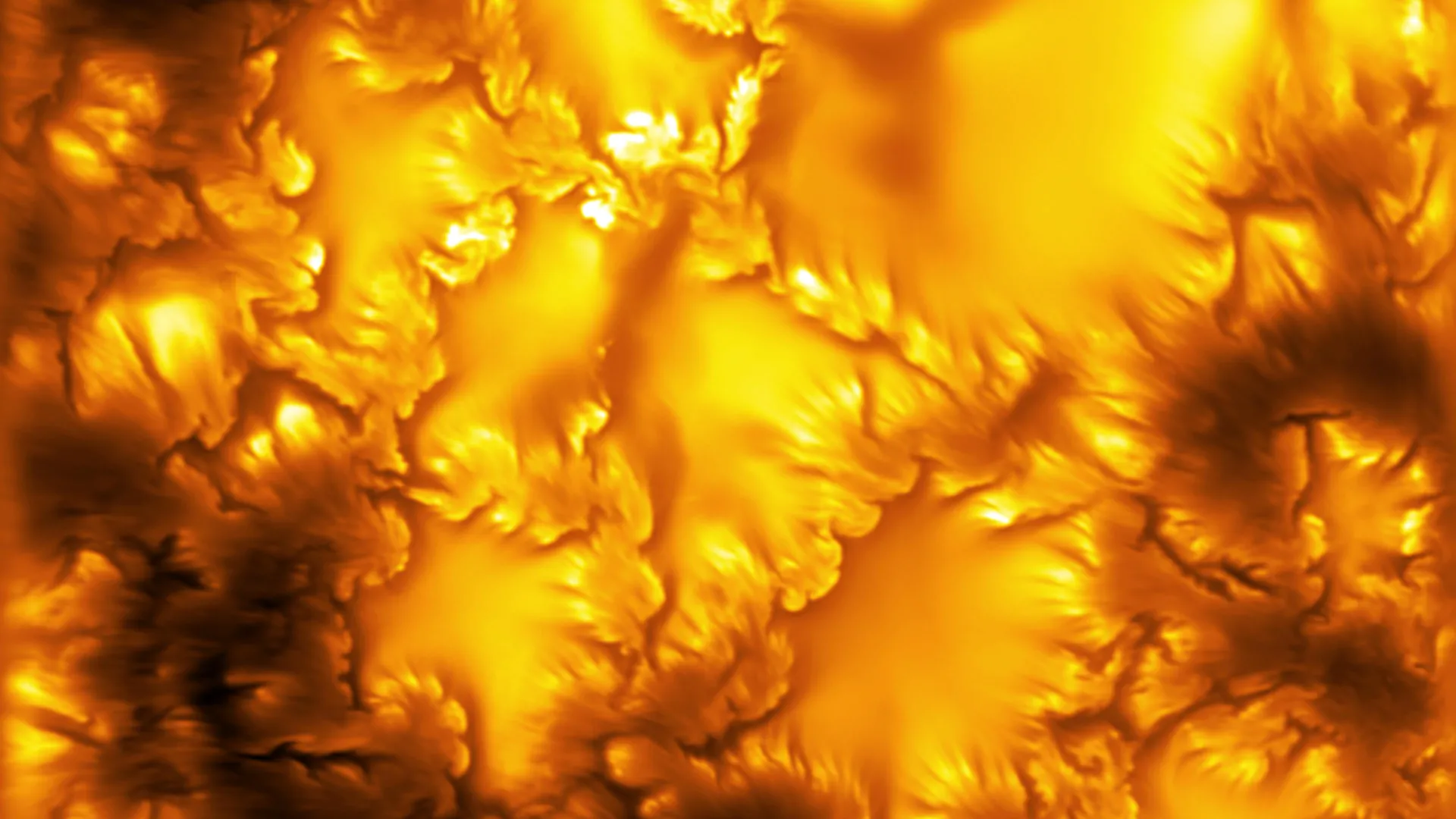
Scientists have discovered incredibly tiny plasma whirlpools swirling across the Sun’s surface, some just 20 kilometers wide. These previously invisible vortices may twist magnetic fields and help build up the energy released in small solar eruptions called nanoflares. They may also help magnetic fields spread through the Sun’s atmosphere far faster than current models can explain.
Cassini data has revealed a surprising twist in Saturn’s magnetic shield: the planet’s rapid rotation appears to drag a key opening in its magnetosphere far toward the afternoon side instead of keeping it near noon, as happens on Earth. The finding confirms that giant planets like Saturn operate under a fundamentally different magnetic regime, where fast spin and charged material from moons such as Enceladus can overpower the Sun’s influence.
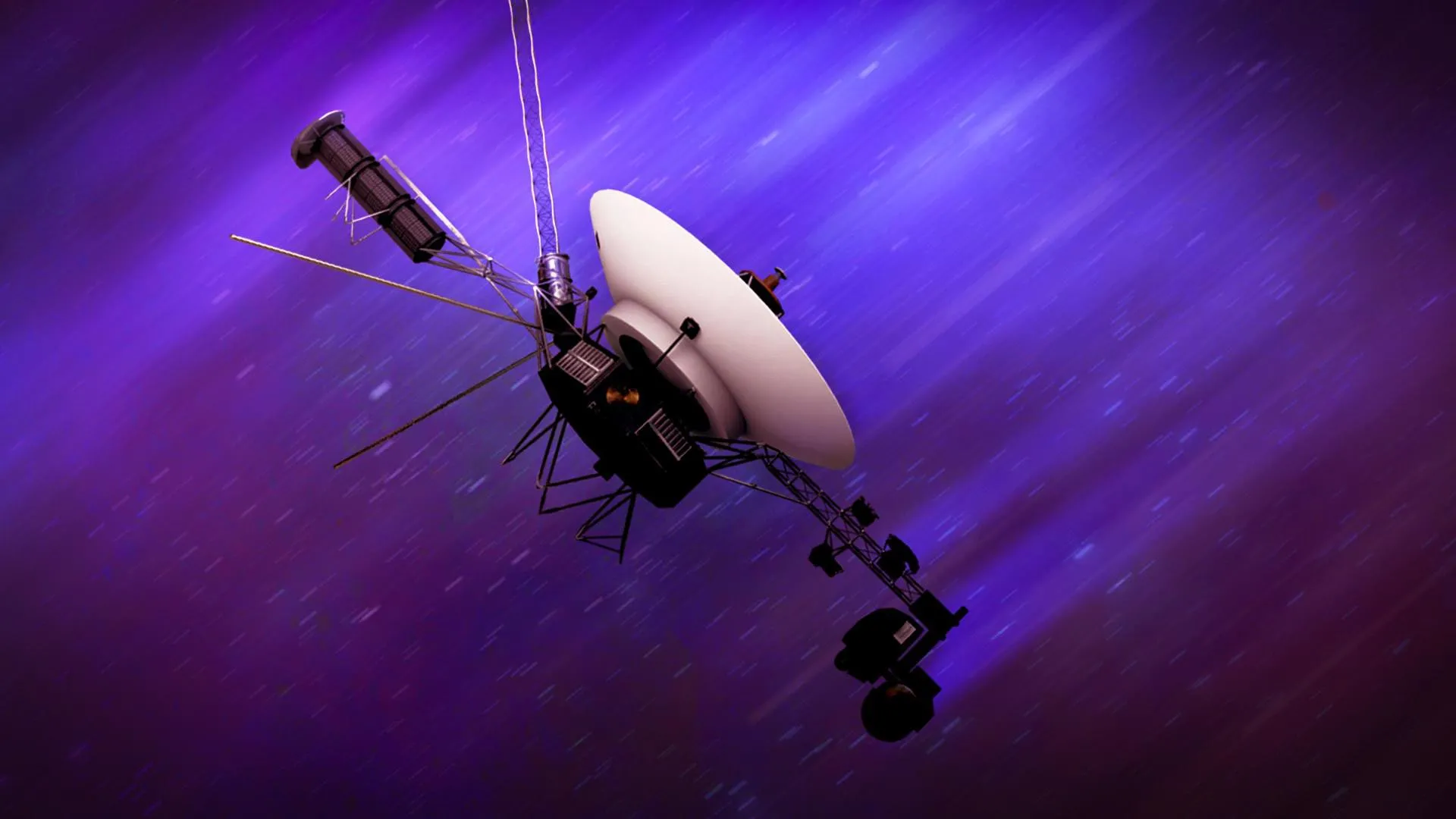
NASA engineers have found a clever way to squeeze more life out of Voyager 2, nearly half a century after it left Earth. In an operation nicknamed the “Big Bang,” the team simultaneously shut down certain power-hungry hardware and switched to lower-power alternatives while keeping the spacecraft warm enough to survive.
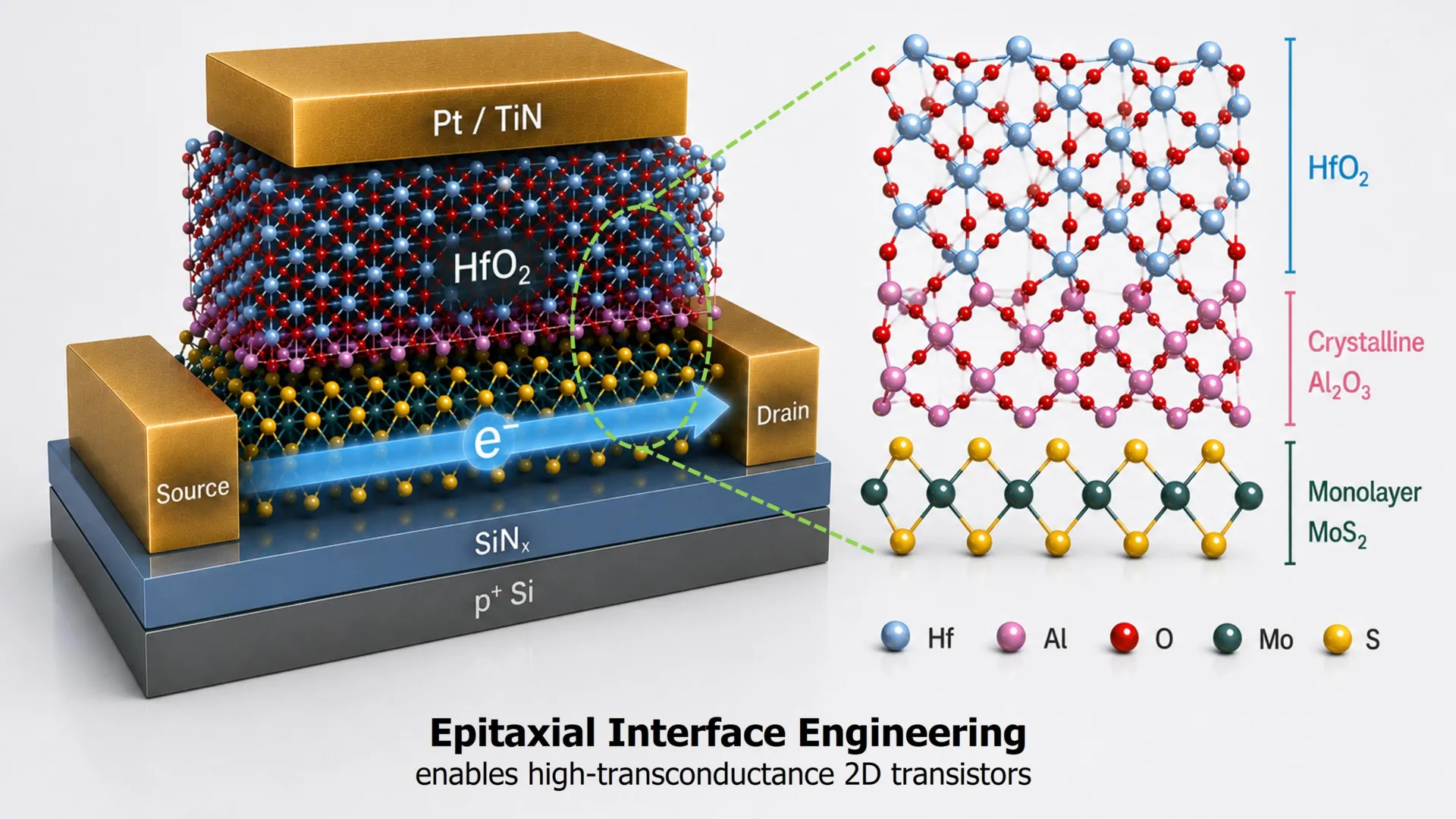
Atomically thin semiconductors could enable dramatically smaller and more efficient chips, but a stubborn problem at the boundary between materials has limited their performance. Researchers have now engineered that atomic interface to protect electron flow while still allowing extremely thin insulating layers. The resulting transistors delivered an unusually strong combination of electrical control and performance.
A total solar eclipse will plunge parts of Europe into darkness on August 12, 2026, with Spain offering some of the best views. ESA will livestream the spectacle from the Javalambre Observatory, combining telescope feeds, drone footage, and expert commentary. At 20:31 CEST, the observatory will experience 1 minute and 21 seconds of totality, revealing the Sun’s normally hidden outer atmosphere.
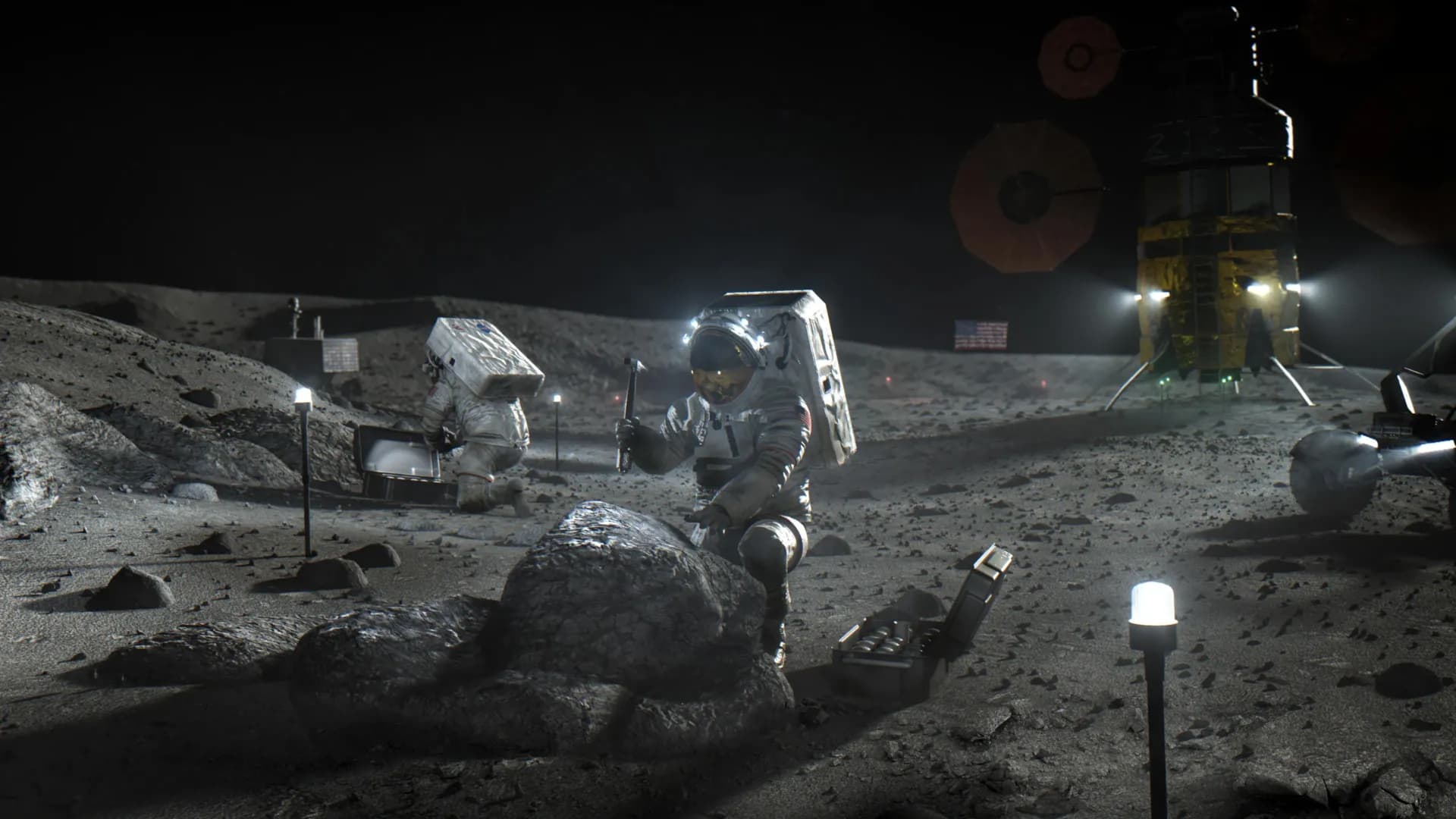
NASA is assembling the foundations of a future Moon Base through a wave of robotic missions and powerful new commercial landers. More than 20 landings are planned through 2029, testing everything from precision landings and lunar communications to rovers, power systems, and technology that can survive the Moon’s extreme conditions. Upcoming missions could also make history by exploring the Moon’s far side and a mysterious magnetic lunar swirl. Each landing brings NASA closer to a sustained human presence on the lunar surface.
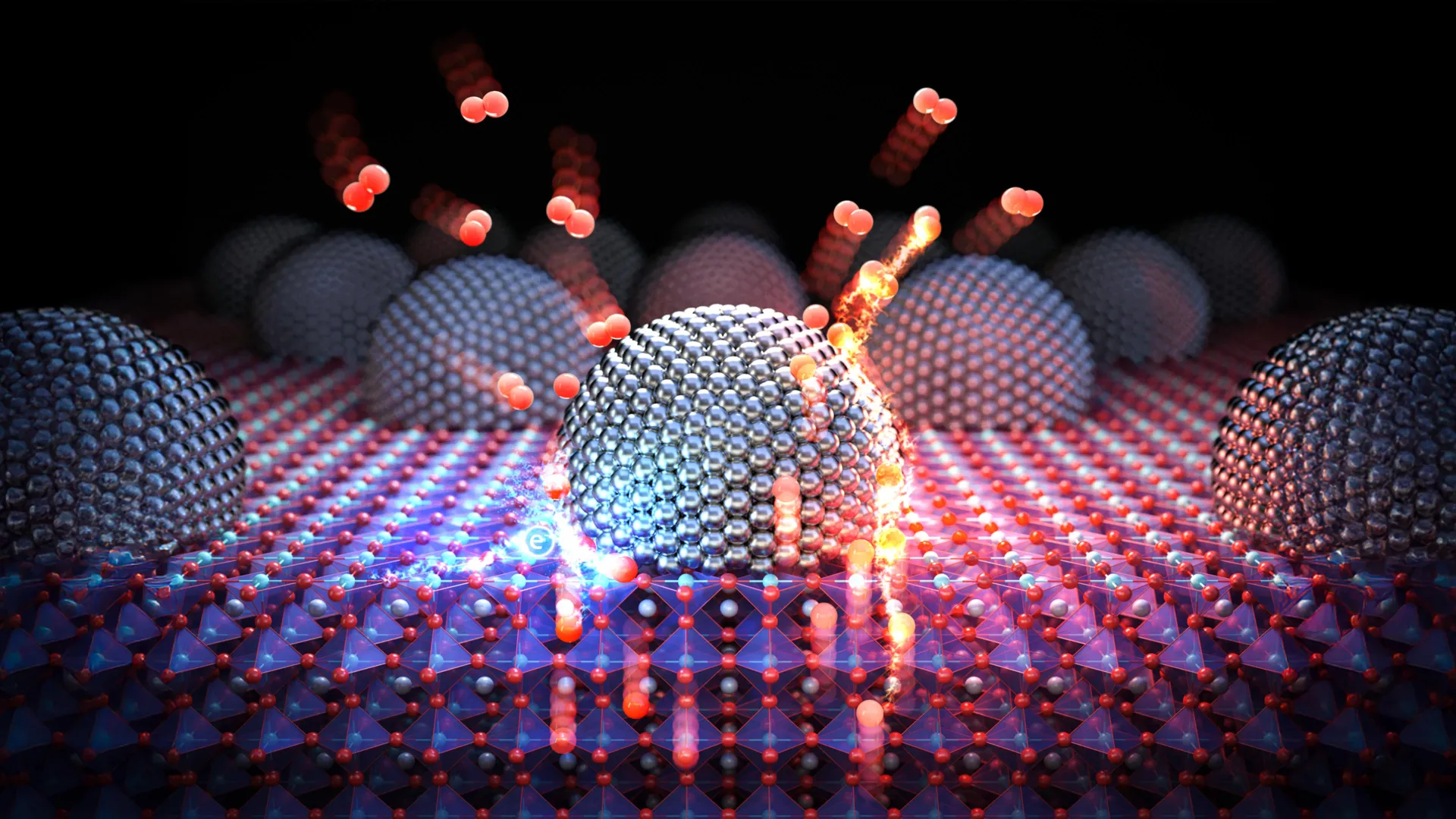
Silver nanocatalysts have been found to switch where they perform their most important reactions depending on whether a solid oxide cell is making electricity or hydrogen. The discovery could enable smarter catalyst designs that boost clean power generation while making green hydrogen more energy-efficient.
Ordinary WiFi networks could quietly become powerful surveillance tools, allowing people to be identified without cameras, special sensors, or even carrying a connected device. Researchers showed that unencrypted signals routinely exchanged between WiFi devices and routers can be used to create radio-based images of people and recognize them within seconds. In tests involving 197 participants, the system identified individuals with nearly 100% accuracy, even from different angles and regardless of how they walked.
Scientists have created an unusually corrosion-resistant stainless steel that could replace costly titanium components used to produce green hydrogen. The breakthrough could reduce structural material costs by roughly 40 times and make seawater-based hydrogen production far more economical.
Some black holes roaming the Universe today may actually be older than the Big Bang. A new cosmic “bounce” model suggests the Universe expanded from an earlier contracting phase, allowing ancient black holes to survive the transition as cosmic fossils. These relics could potentially explain dark matter and why surprisingly massive objects appeared so early in cosmic history.
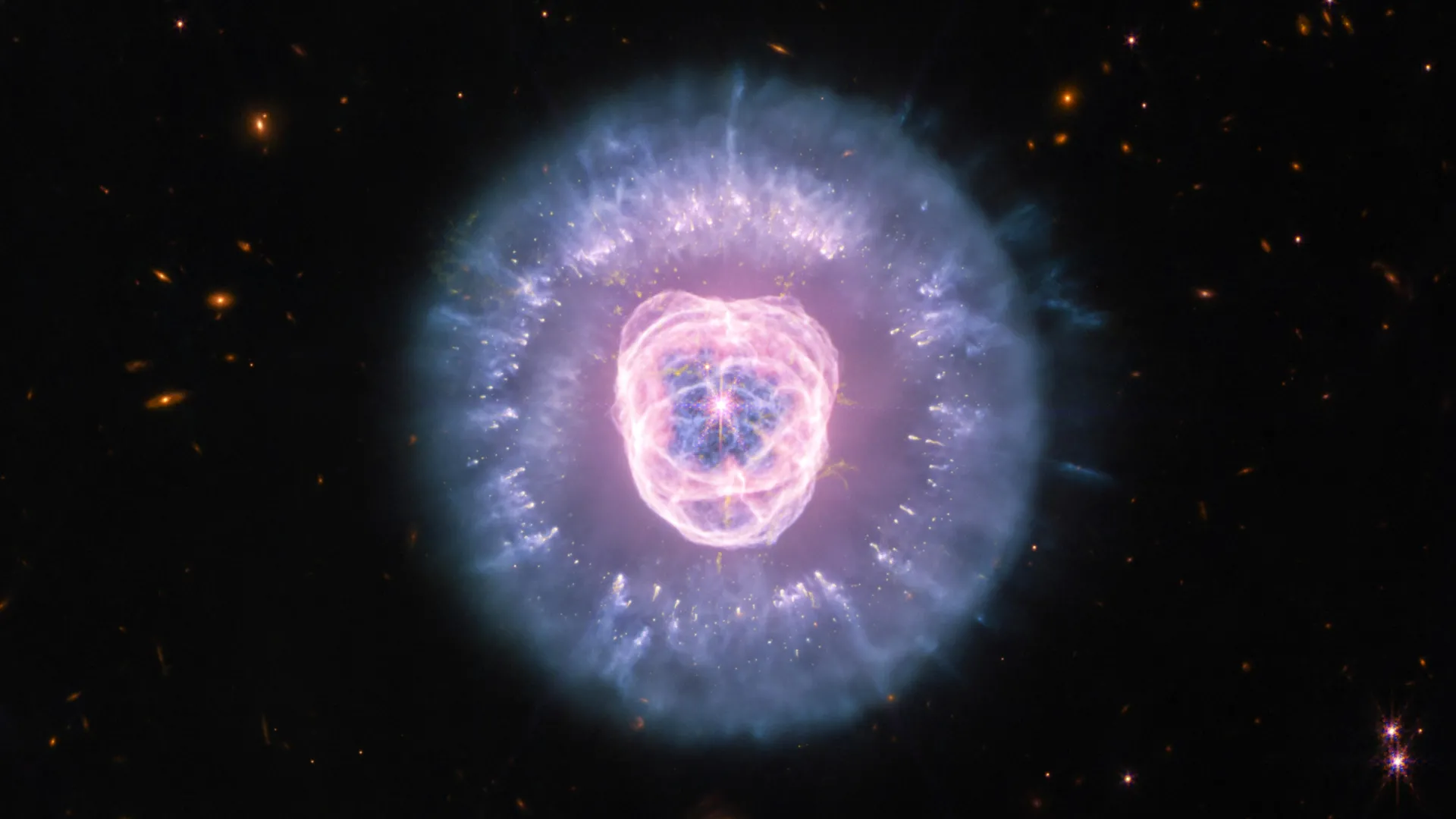
James Webb has captured a striking new infrared view of NGC 2392, the Lion Nebula, revealing the dramatic aftermath of a dying Sun-like star. At its center, a scorching white dwarf is blasting radiation into surrounding gas and dust, carving out the nebula’s lion-like face while illuminating a sprawling “mane” of surviving dusty clumps.
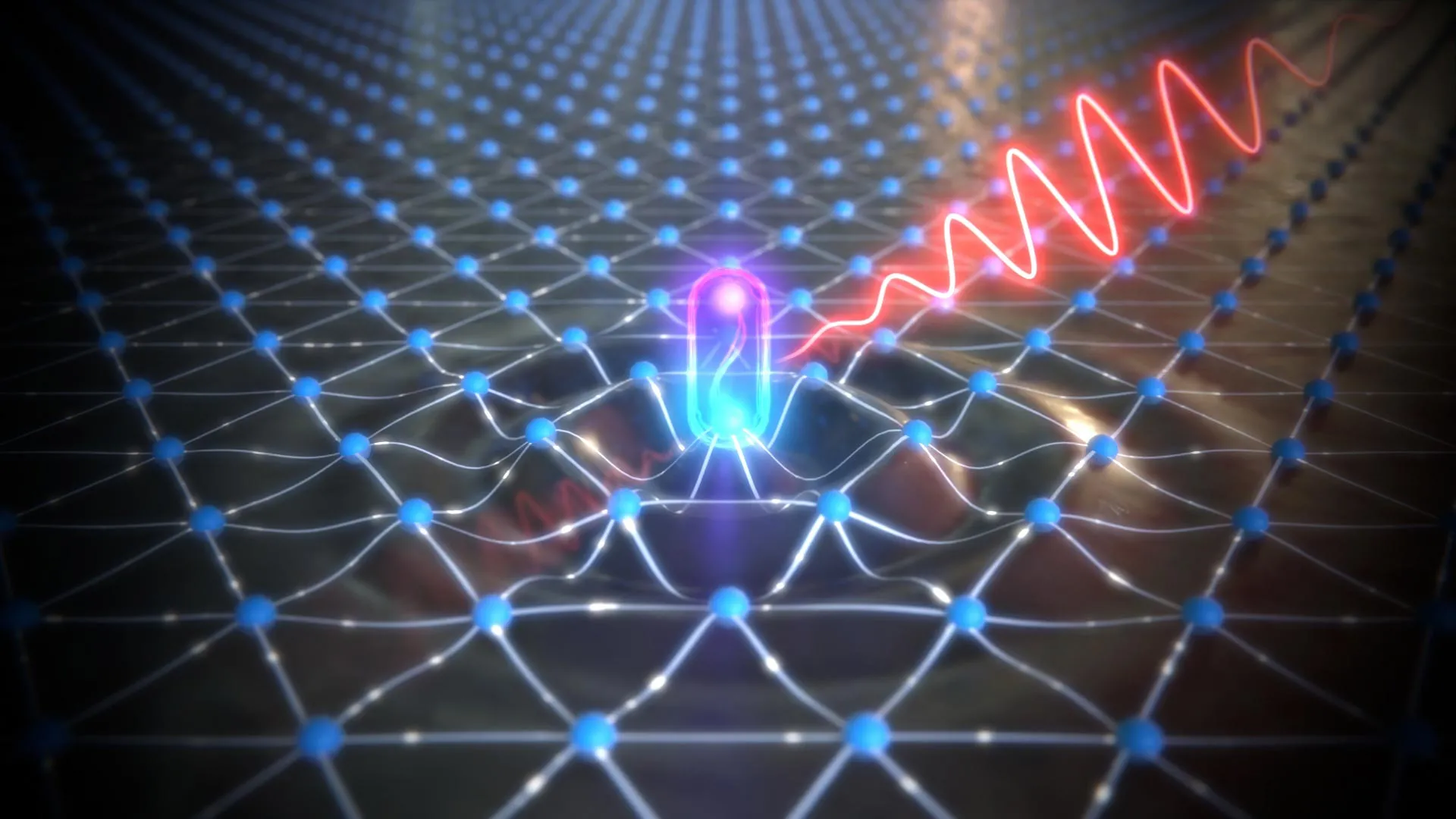
Physicists have found a new way to peer inside one of matter’s most elusive quantum states: the Wigner crystal, where electrons stop behaving like independent particles and organize into a crystal-like pattern. By shining light on an atomically thin material cooled close to absolute zero, researchers uncovered optical signals that reveal not just where the electrons are, but how they move together.
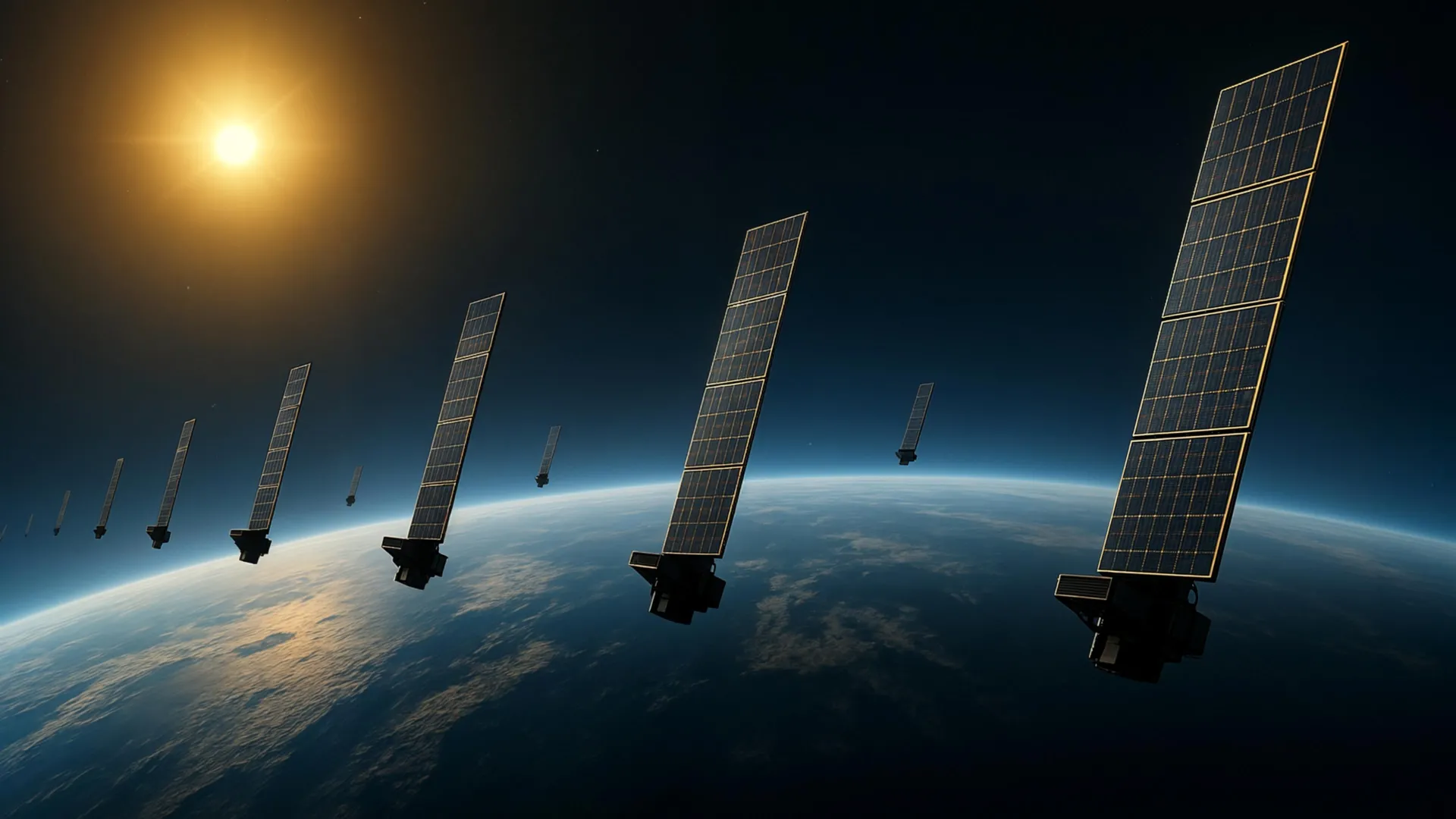
Researchers have found a clever new way to map a part of Earth’s upper atmosphere that is notoriously difficult to observe. Using orbital data from roughly 1,200 Starlink satellites, they reconstructed changes in atmospheric density about 500 kilometers above Earth. The approach could sharpen satellite tracking and help reduce the growing risk of collisions in increasingly crowded orbits.