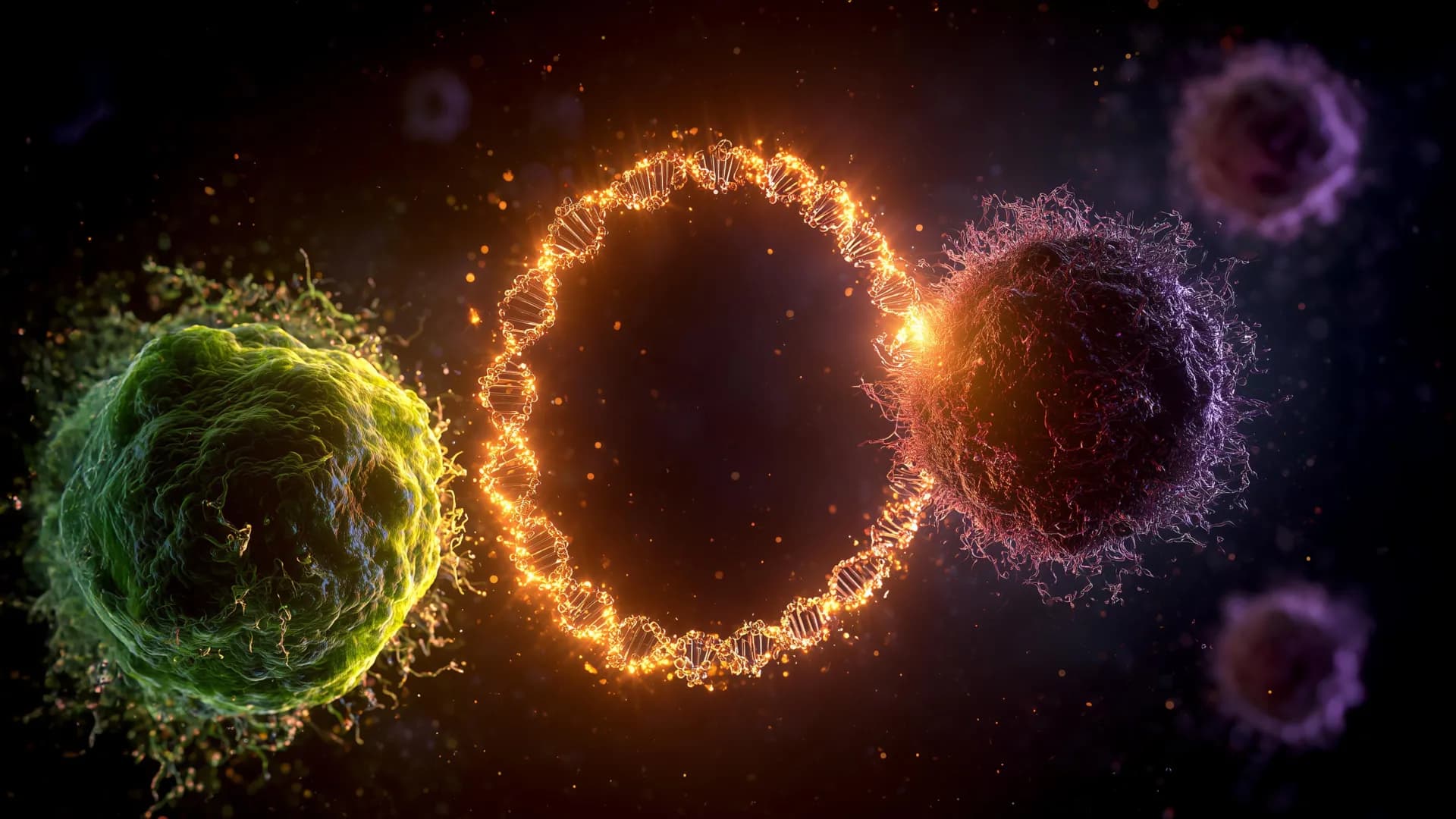
Scientists have uncovered a surprising way that “jumping genes” may move between species and speed up evolution. While these mobile genetic elements were thought to travel mainly inside viruses or plasmids, researchers found circular intron RNA from a tiny predatory bacterium inside the dead cells of another microorganism. Because the RNA forms a stable ring that resists breakdown, it may provide jumping genes with a previously unknown route for spreading between species.
Stanford researchers discovered immune cells in flatworms that explode within minutes, killing nearby bacteria and foreign cells before vanishing completely. Their unusually fast and localized attack could offer clues for developing targeted treatments against infections and cancer.
A specially engineered chewing gum reduced HPV by up to 93% and nearly eliminated two bacteria linked to head and neck cancer. The treatment preserved beneficial mouth bacteria, raising hopes for a safer and more affordable therapy.
A long-term brain study found that common risks such as smoking, high blood pressure, heart disease, and high blood lipids were strongly linked to damage associated with vascular dementia. The findings suggest that healthier lifestyle choices could help delay dementia by reducing several harmful brain changes at once.
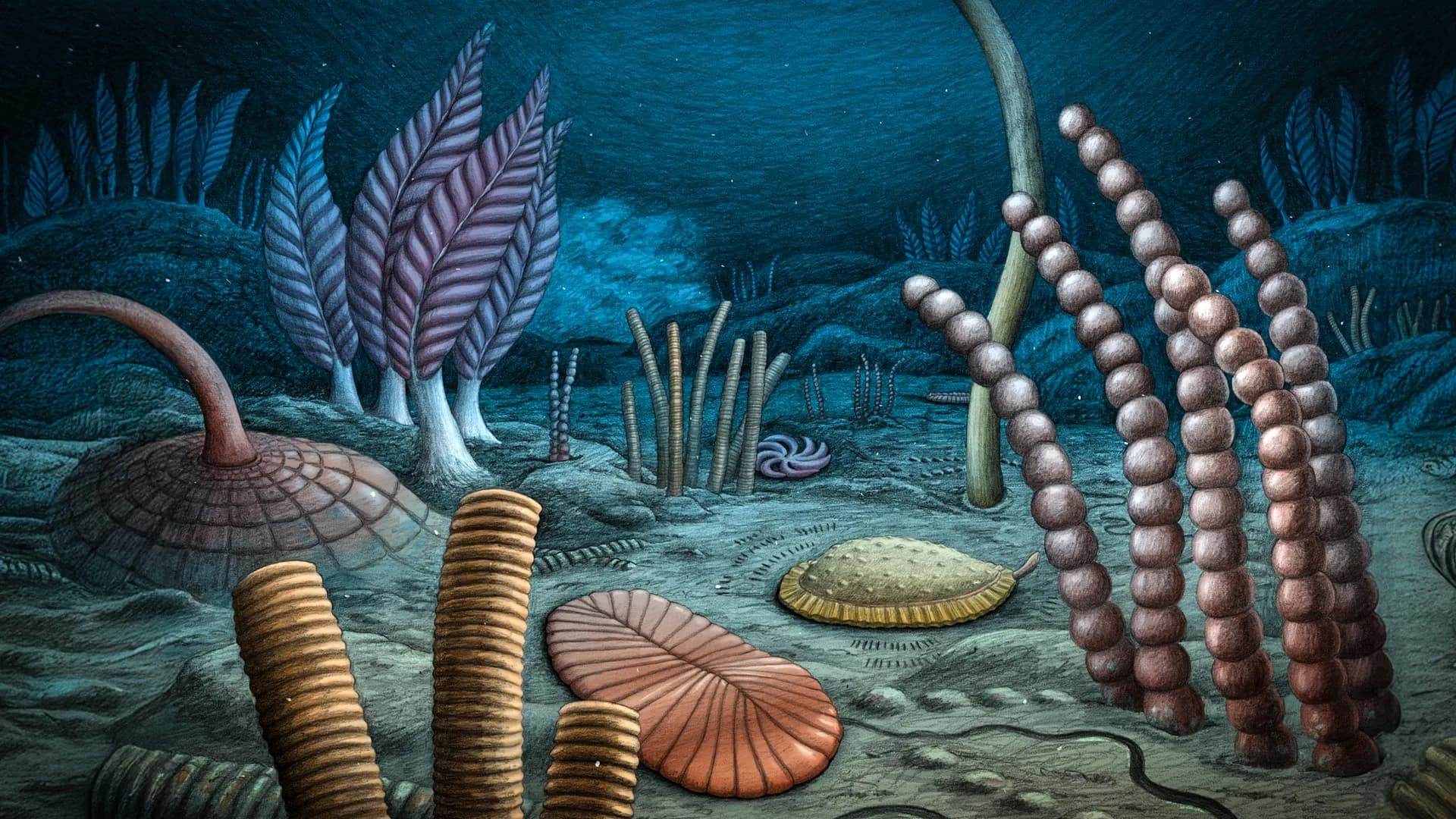
A spectacular fossil site in Canada contains 567-million-year-old creatures that may represent some of the earliest animals to move, reproduce sexually, and develop recognizable body plans. The discovery pushes key evolutionary milestones back by up to 10 million years and suggests complex animal life may have first flourished in the deep ocean.
A group of brain cells called orexin neurons appears to help us keep working when reaching a reward becomes increasingly difficult. Blocking their activity weakened motivation in rats, pointing to a possible new target for understanding why people sometimes struggle to sustain goal-directed behavior.
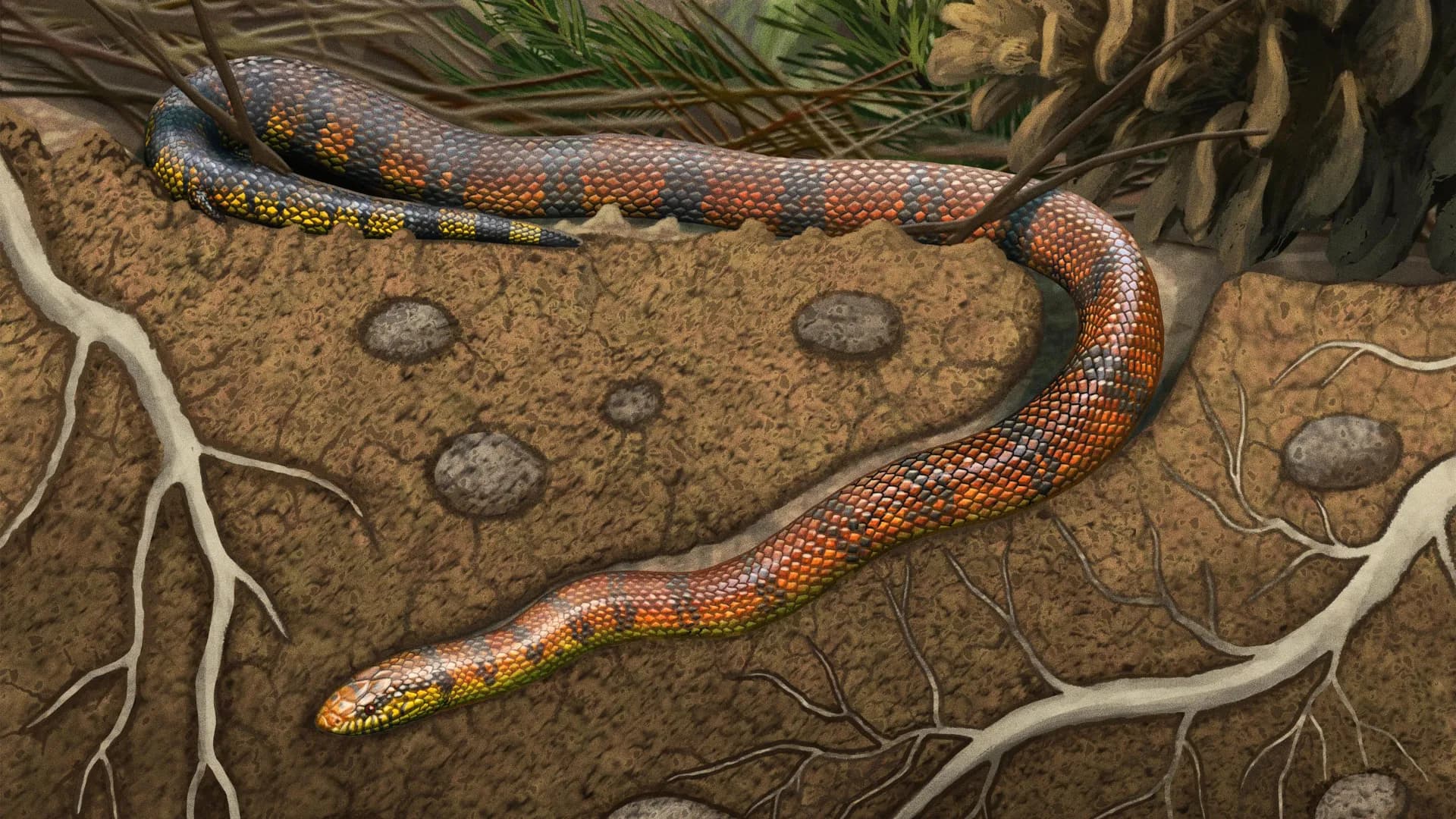
An exceptionally preserved snake fossil from Brazil reveals that early snakes were far more diverse than scientists once thought. Detailed brain reconstructions show that Tametara mirim was adapted for burrowing, while another ancient snake was suited to life above ground. Other fossils point to marine lifestyles as well. By 80 million years ago, snakes were already experimenting with very different habitats and sensory systems.
Millions of sperm do not always compete alone—some species send them into action as coordinated teams. A sweeping evolutionary study found that this cooperation is widespread among arthropods and has repeatedly emerged and vanished over hundreds of millions of years. The discovery challenges the classic “fastest sperm wins” story and could influence future fertility research and pest-control strategies.
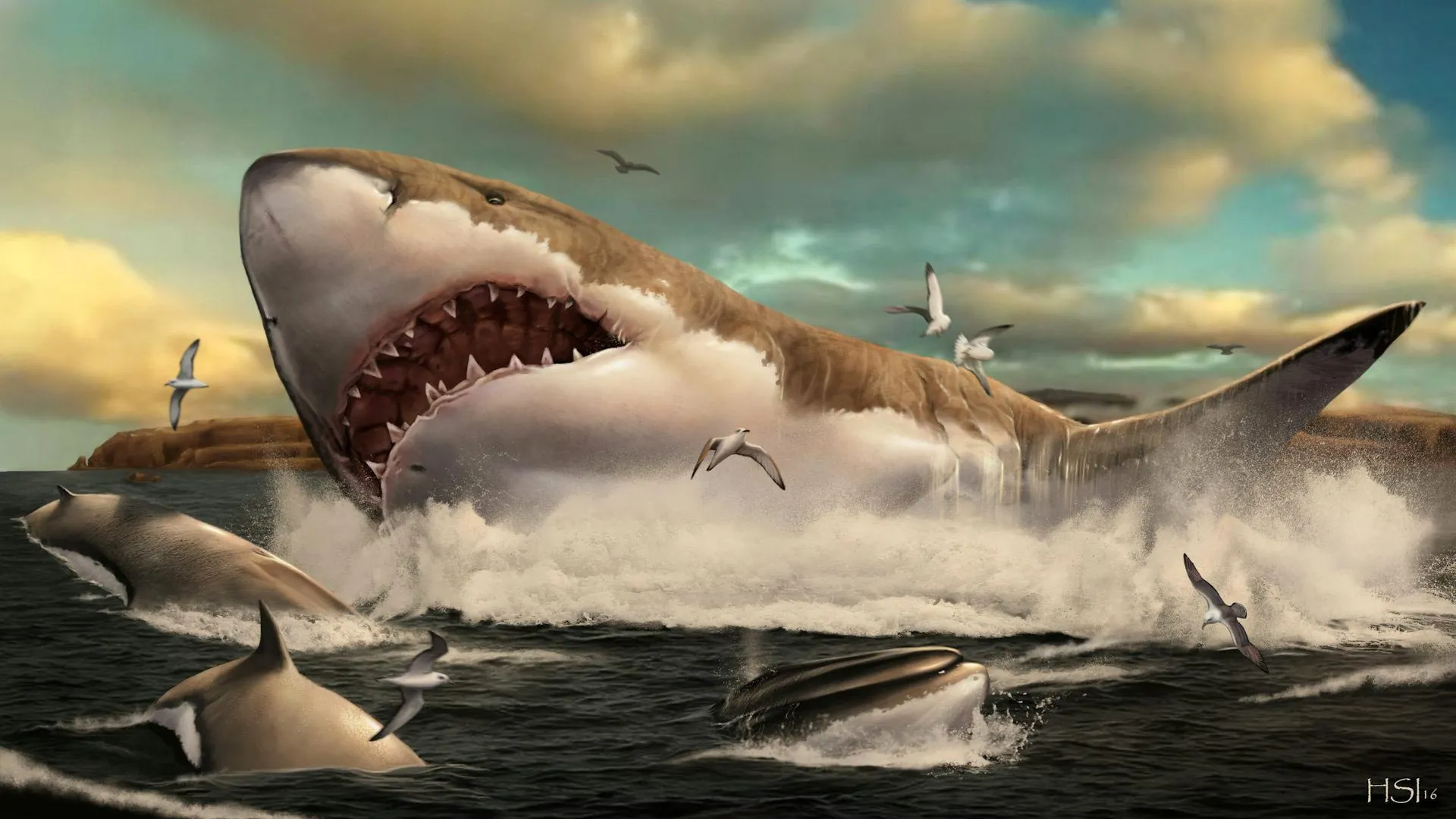
Several enormous Megalodon vertebrae thought to have been destroyed in 1989 were found sitting unnoticed on a museum shelf. Their analysis strengthens evidence that the giant shark could exceed 24 meters (79 feet) in length and live for nearly a century. Researchers also estimate that its newborns may have measured an astonishing 3.6 meters (12 feet).
Genetic changes may set off a chain reaction that causes the spine’s natural shock absorbers to harden and deteriorate. Zebrafish with a faulty collagen-related gene developed mineral buildup and spinal fusion similar to human disc disease. Researchers were able to reduce the damage using an existing osteoporosis drug and by targeting fat metabolism. The discovery points to several exciting possibilities for future back pain treatments.
Yasmin Morgan-Griffiths finds out how new technologies are being used to measure the world's forests in more detail than ever before. Suranjana Tewari takes us inside a robotics factory in Beijing.
Physicists have uncovered a surprising limit to electrical resistance caused by particles colliding. Using ultracold potassium atoms trapped in a grid of light, researchers created a highly controlled stand-in for electrons moving through a solid. As collisions became more frequent and intense, resistance initially rose, but eventually hit a ceiling and stopped increasing.
Scientists traced a mysterious surge of low-energy gamma rays from zinc-70 to magnetic changes occurring inside its nucleus. The breakthrough could improve models of how stars, supernovae, and neutron star mergers create heavy elements.
Primordial black holes may occasionally pass through white dwarf stars and trigger enormous Type Ia supernova explosions. Researchers found that these events could explain chemical patterns seen in supernova remnants, nearby explosions, and stars across the Milky Way.
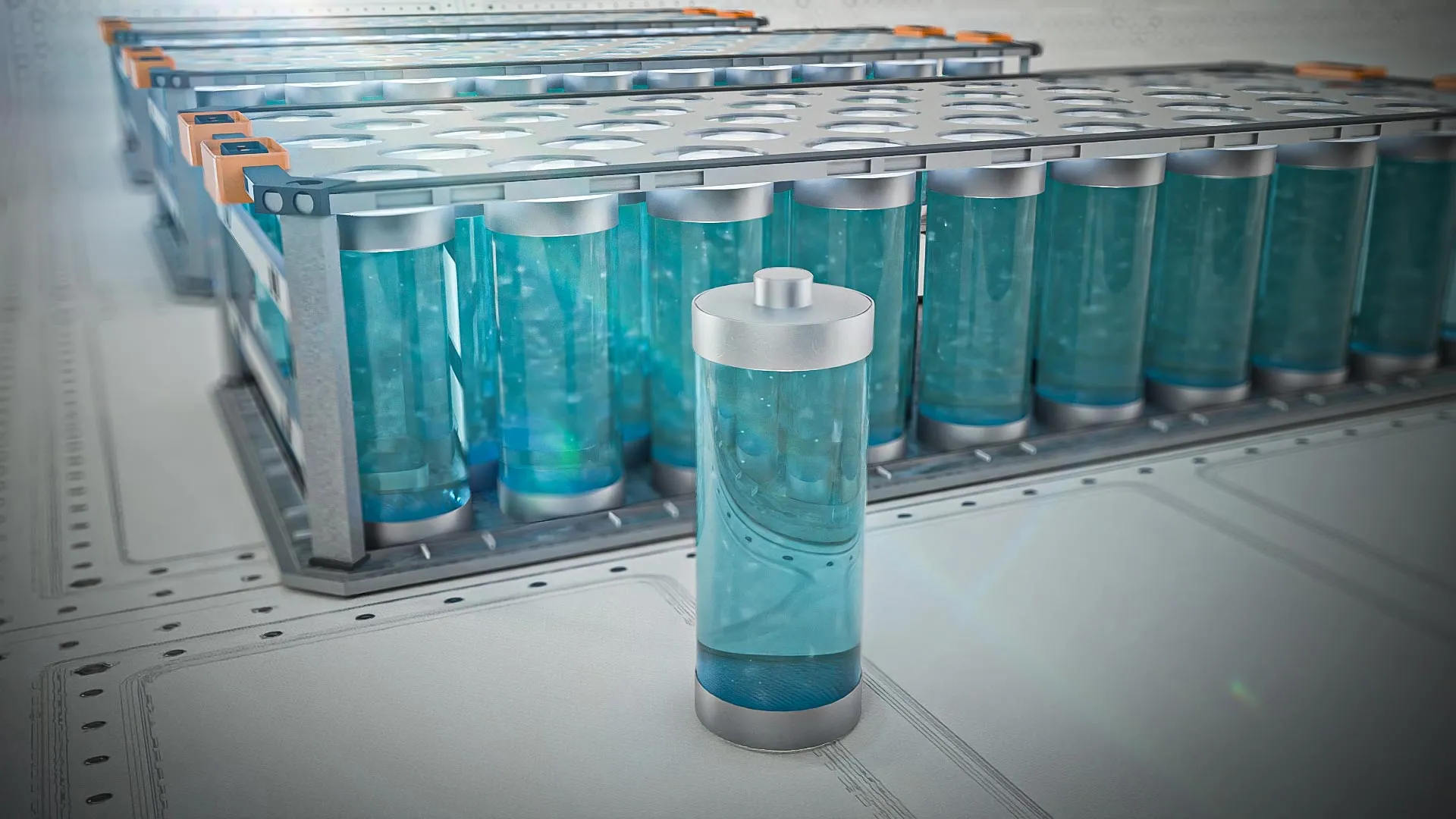
A surprisingly simple change could make sodium-ion batteries far more powerful while opening the door to turning seawater into drinking water. Researchers at the University of Surrey found that sodium vanadium oxide performs much better when its naturally occurring water is left inside instead of being removed during manufacturing.
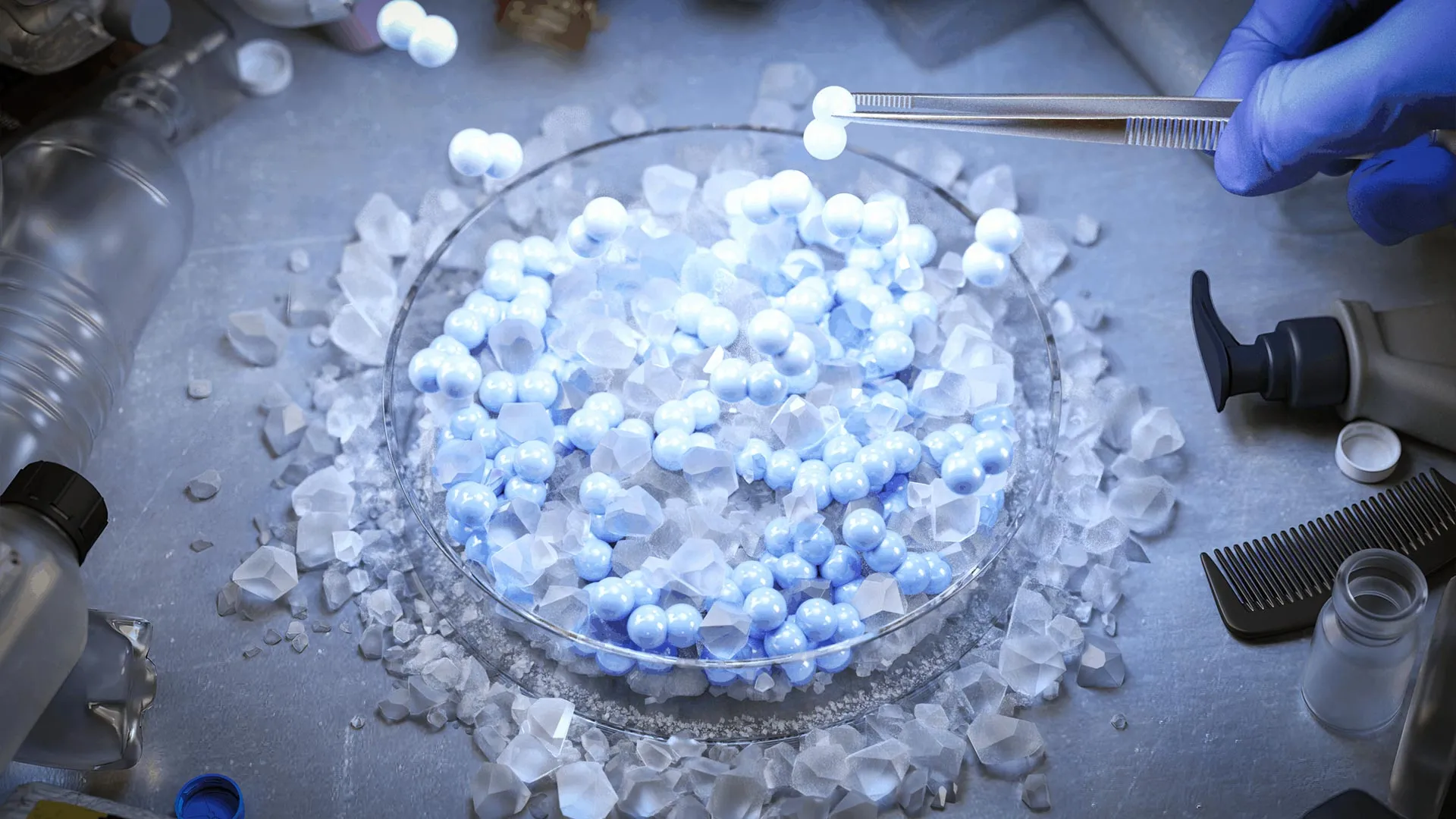
A new chemical process can transform three of the most common plastics into high-purity hydrogen without sorting them first. The technique operates at much lower temperatures than traditional gasification and captures most of the plastic’s carbon in solid or liquid forms instead of releasing it as carbon dioxide.
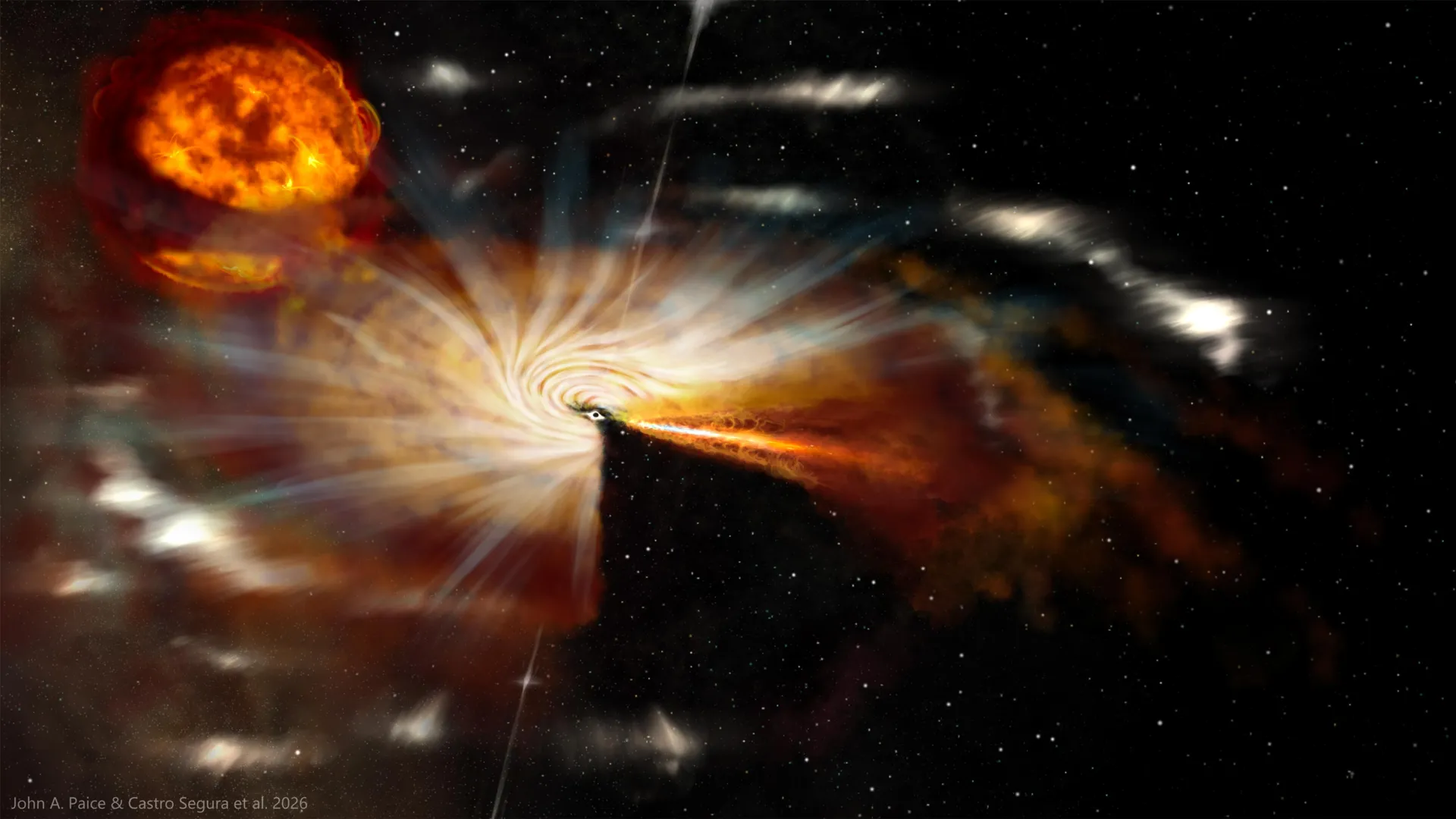
A black hole observed during a dramatic 2023 eruption did not simply devour gas from its nearby companion star. It also expelled large amounts of material through powerful jets and winds, even after the outburst had nearly faded. The results suggest black holes may continue reshaping their surroundings long after their brightest fireworks end.
A person’s sleeping brain may reveal warning signs of dementia long before memory problems begin. Researchers used machine learning to analyze EEG recordings from about 7,000 adults and found that an older-than-expected “brain age” was tied to a sharply higher dementia risk. Every additional 10 years of brain aging raised that risk by nearly 40%.
Engineers have transformed a notoriously brittle cobalt-aluminum compound into a material that is both extremely strong and capable of bending without breaking. Their nanoscale design produced a yield strength about six to 10 times greater than high-strength structural steel while sustaining substantial deformation at room temperature. The approach could enable tougher turbine blades and higher-performance engines.
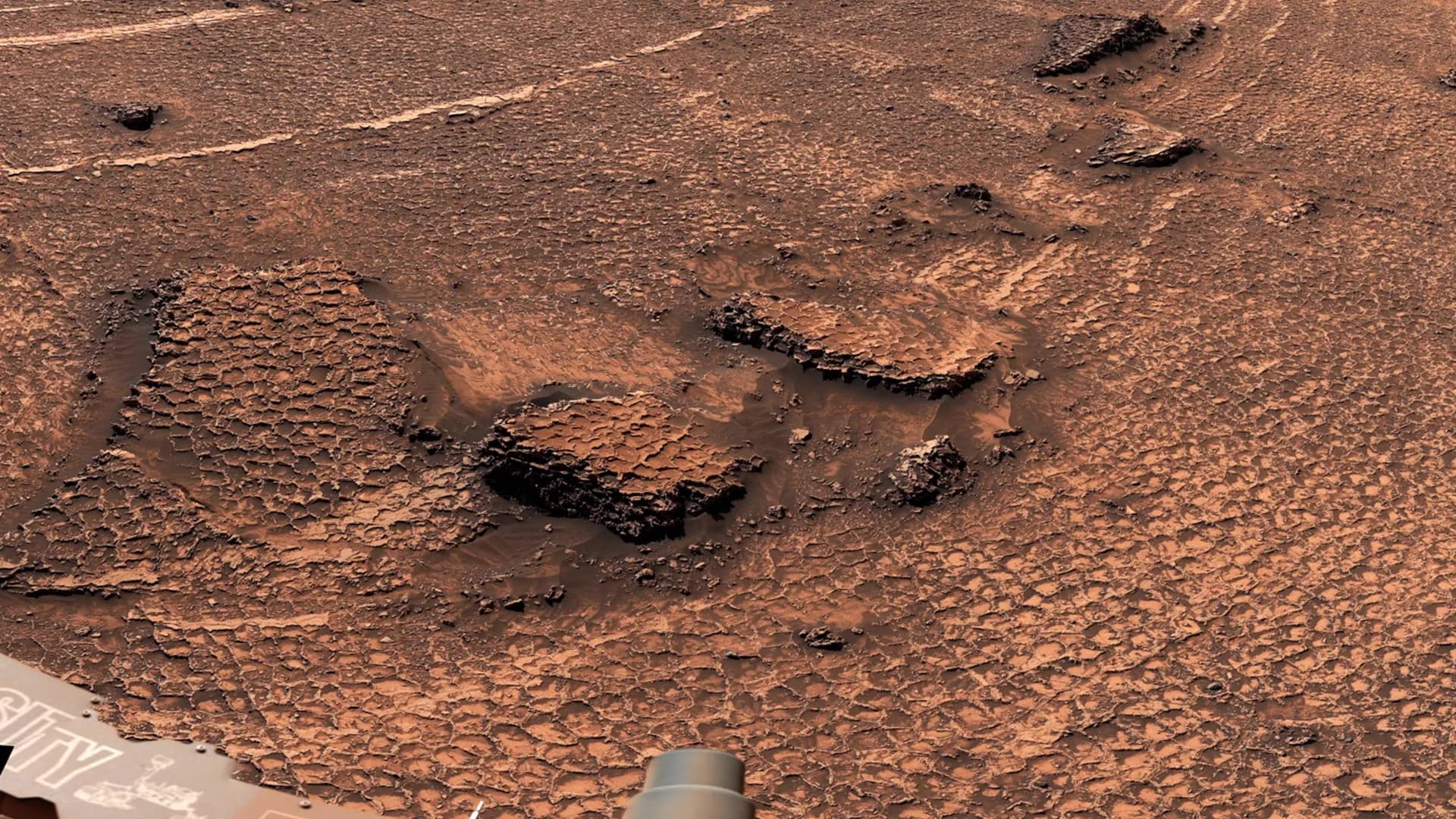
NASA’s Curiosity rover has entered a Martian valley covered by an astonishing “sea” of tiny polygon-shaped fractures. The honeycomb patterns, each only a few inches wide, stretch across the landscape and even wrap around a nearby 20-foot-tall butte.
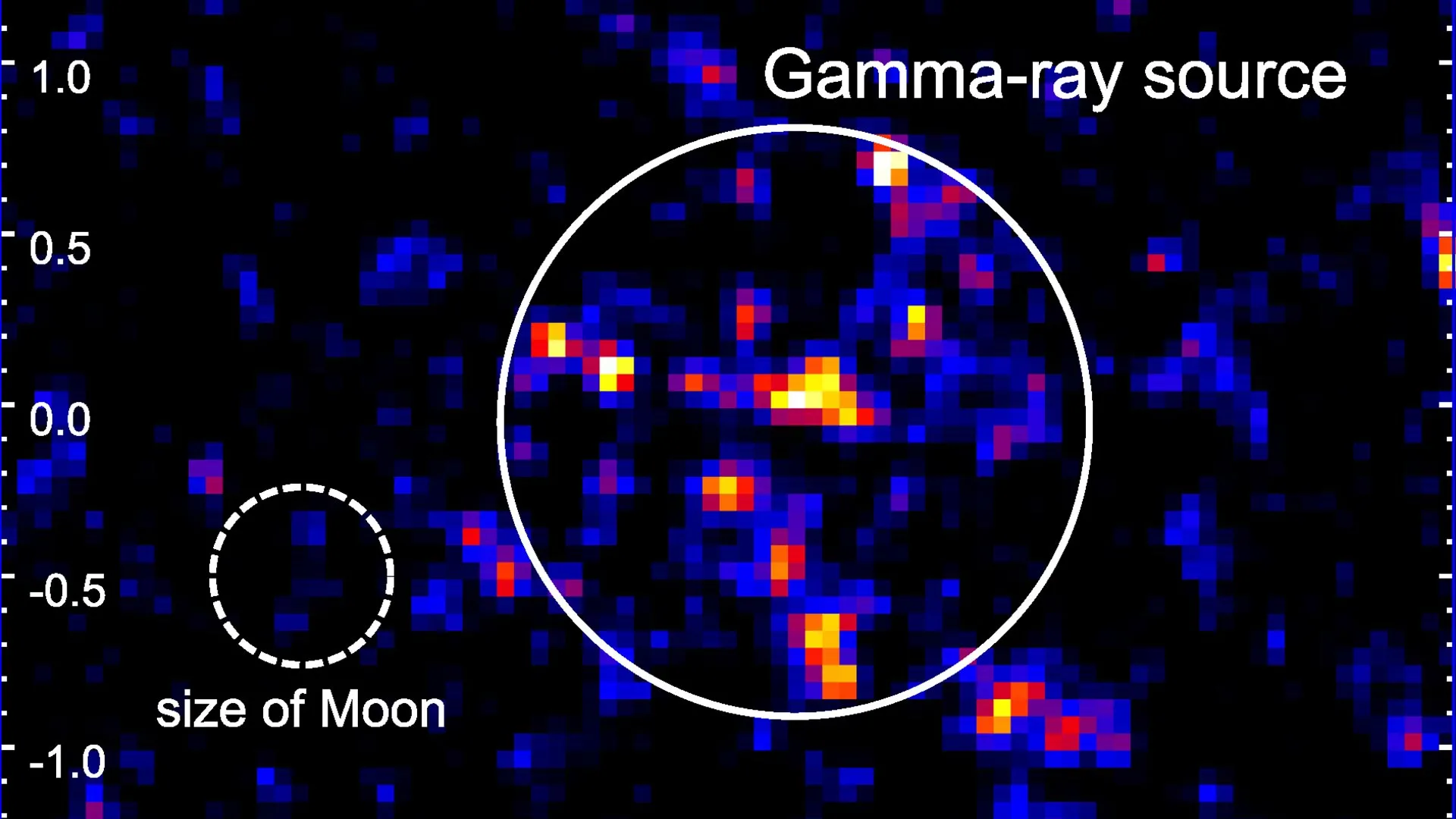
Scientists have identified LHAASO J1912+1014u as a cosmic accelerator that can push protons beyond one quadrillion electron volts. The finding may help reveal where the Milky Way’s most energetic cosmic rays come from and how they influence the galaxy.