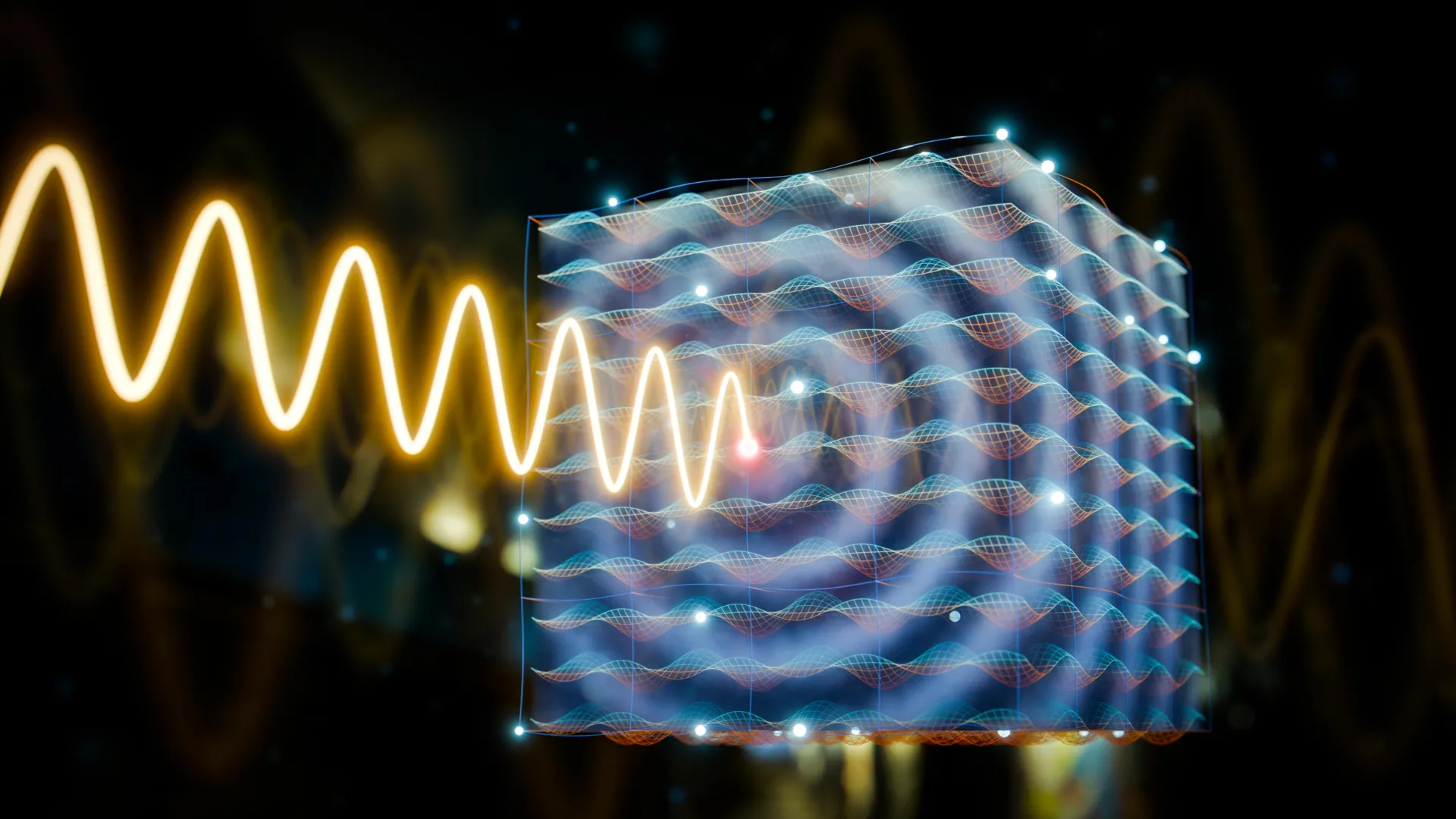
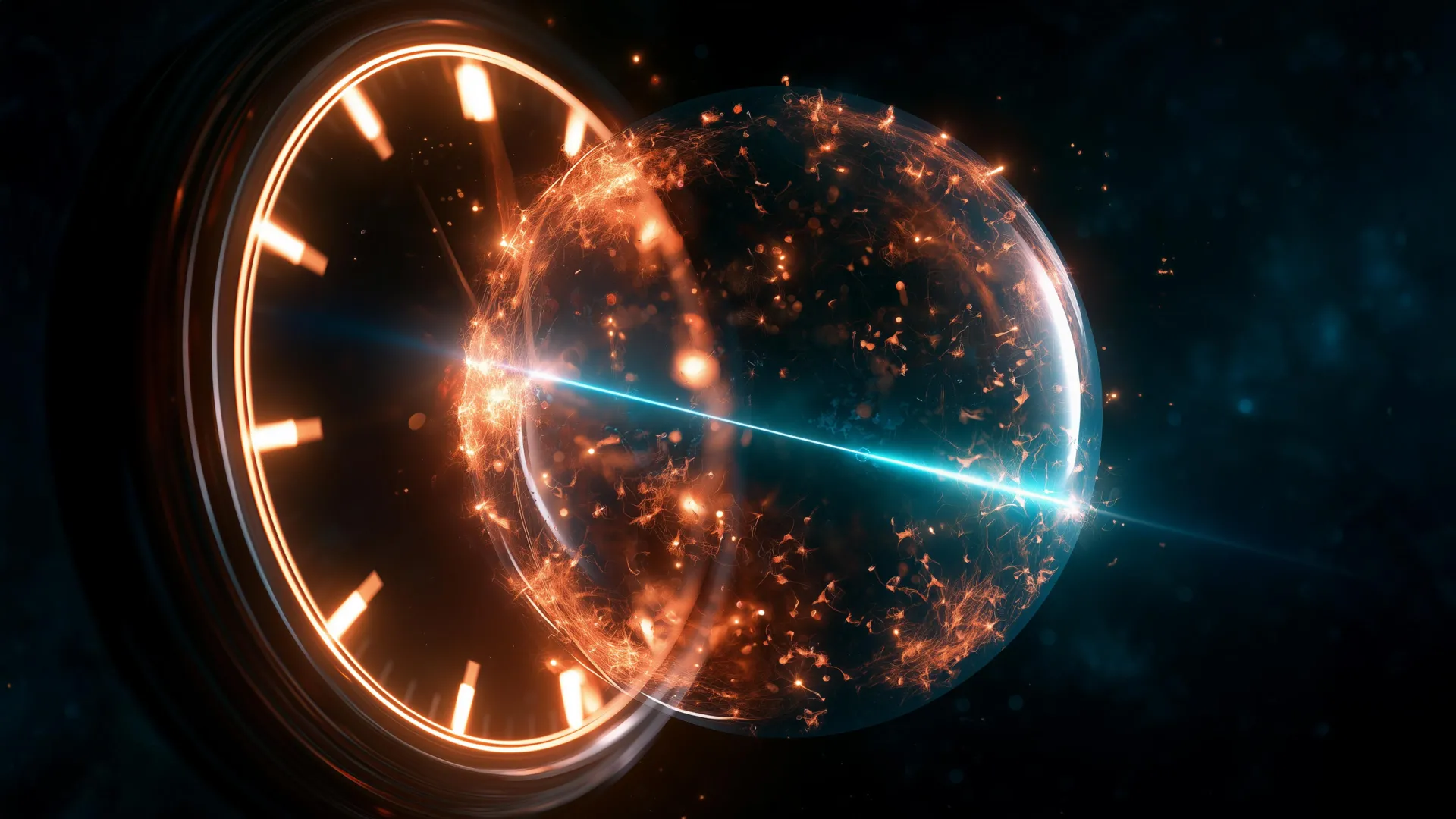
Scientists have built the first all-optical photonic time crystal, allowing them to reshape the behavior of terahertz light at extraordinary speeds. The breakthrough could open the door to ultrafast computing, smarter communication systems, advanced imaging, and a new generation of highly tunable lasers.
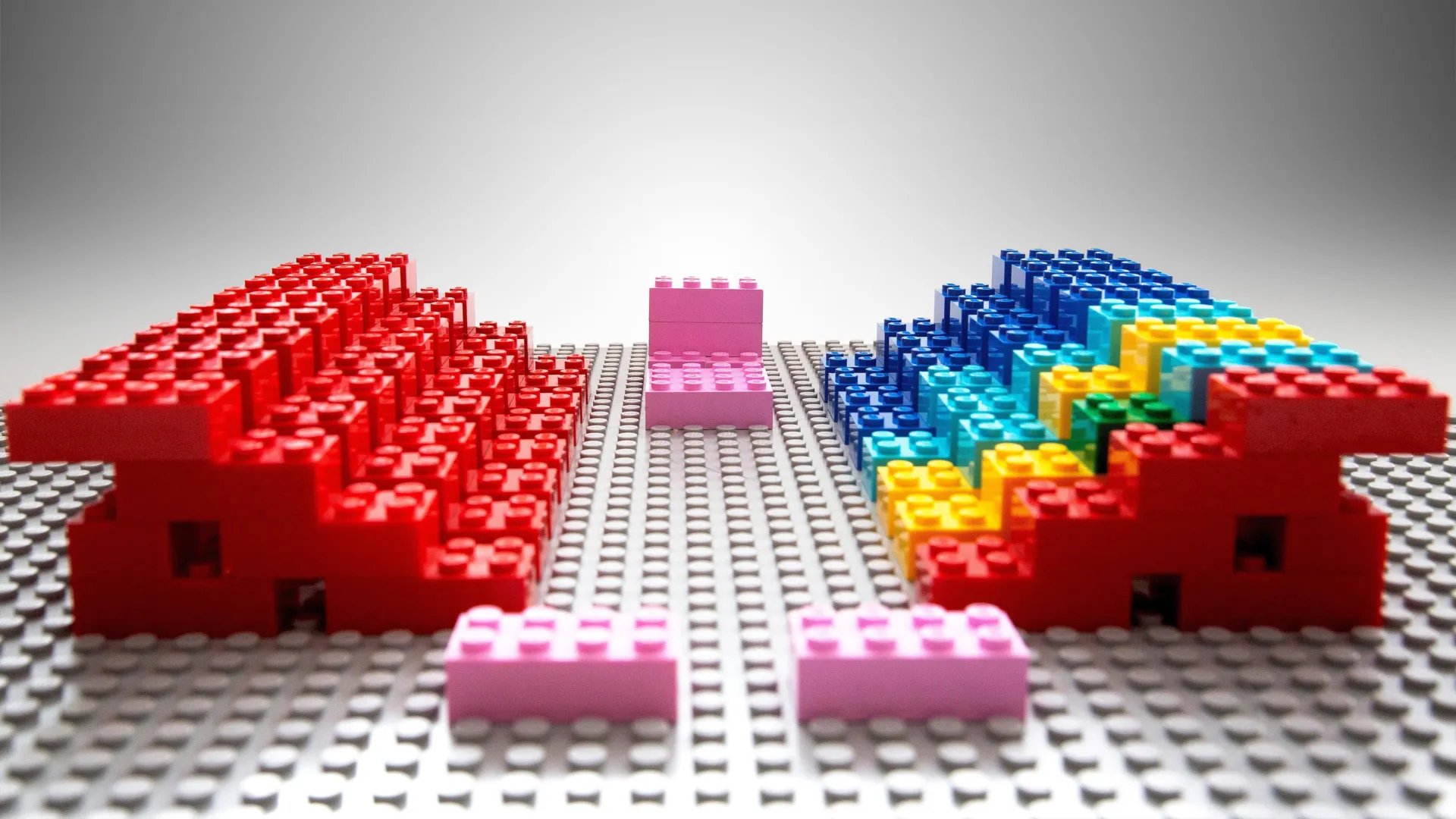
Mathematicians have shown that no electoral system can perfectly balance local representation, proportional national results, and a fixed-size parliament once enough parties compete. A newly proposed voting method could soften these unavoidable trade-offs and produce outcomes that are much closer to fair.
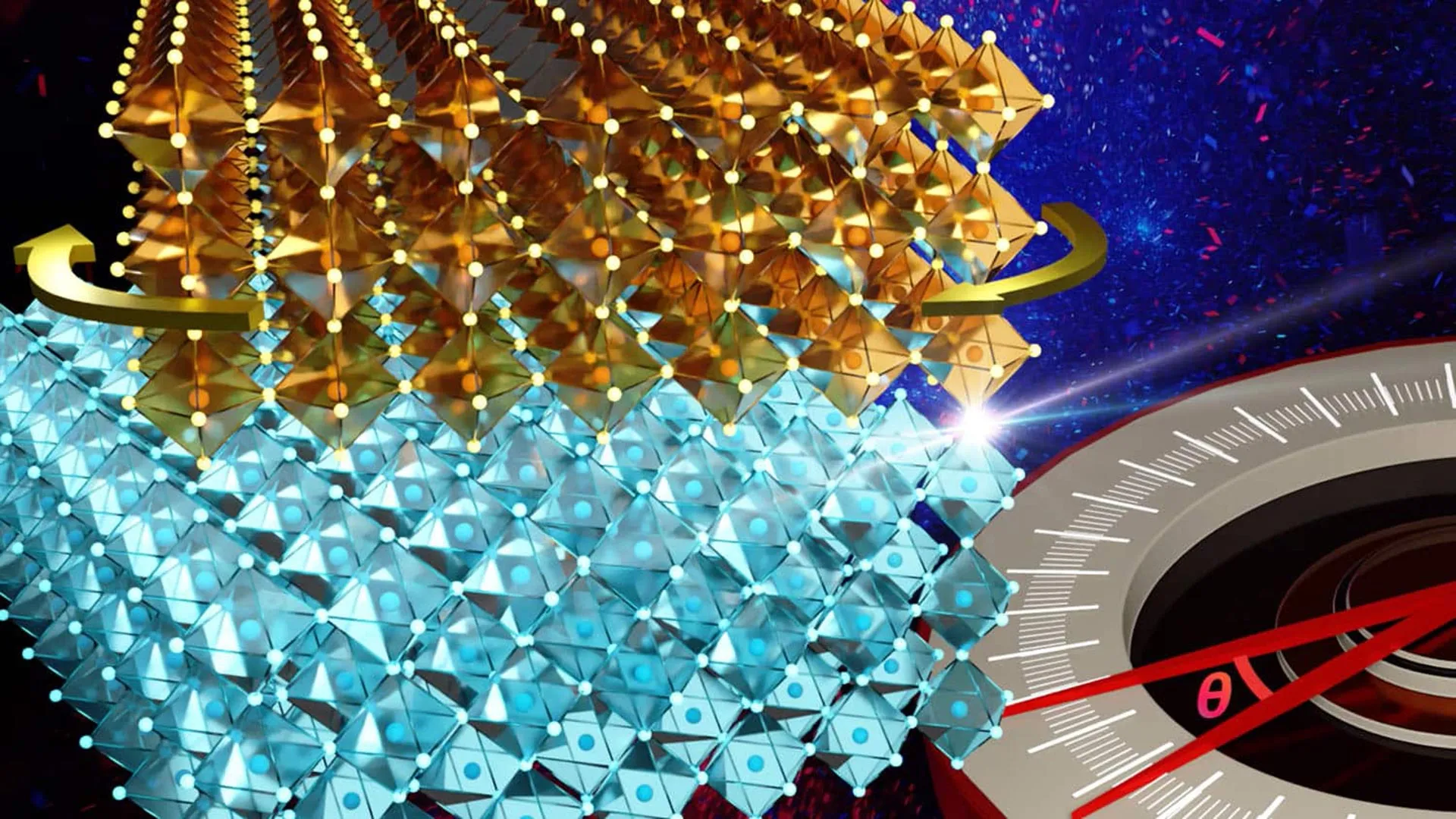
Researchers have found a way to build much larger “twisted” oxide materials while precisely controlling how their atomic layers line up. Because these materials can be made over large areas and transferred onto different surfaces, the technique could help turn twistronics from a laboratory curiosity into a practical platform for next-generation electronics.
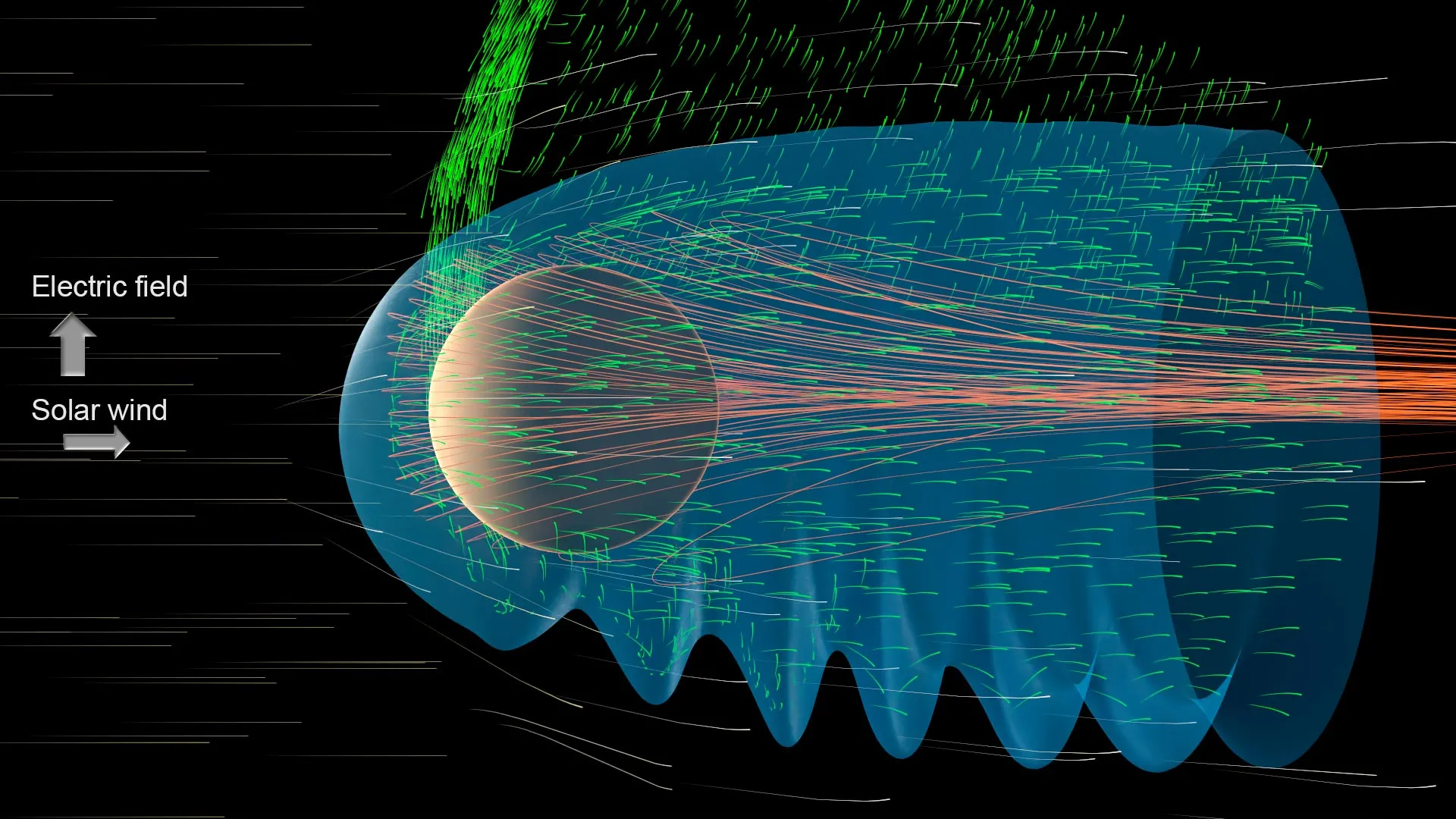
The solar wind may be stripping away Mars’ atmosphere by creating giant rolling waves along its outer edge. Data from MAVEN and Tianwen-1 show that these waves form plasma clouds that carry atmospheric particles into space. The process is concentrated on one side of Mars and may have played a major role in drying out the once potentially habitable planet.
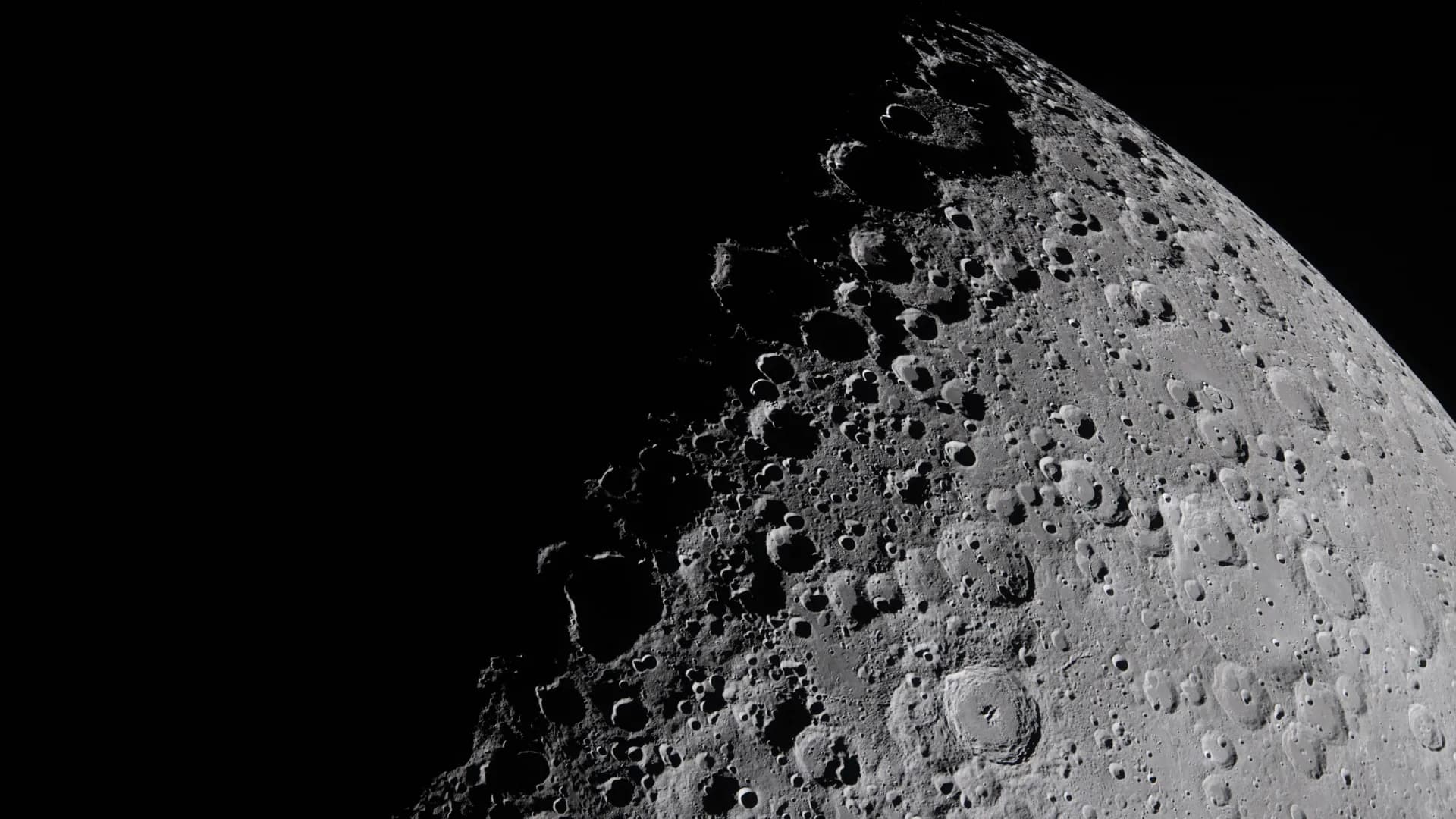
Hidden moon ice may reveal itself through the way it bends and reflects vibrations from moonquakes. The technique could help astronauts locate vital water supplies and uncover clues about the origins of Earth’s oceans.
A new 3D printing technique can produce exceptionally hard tungsten carbide cobalt while using less of its expensive raw materials. By softening rather than fully melting the material, researchers created defect-free samples with industrial-grade hardness and opened the door to more efficient manufacturing.
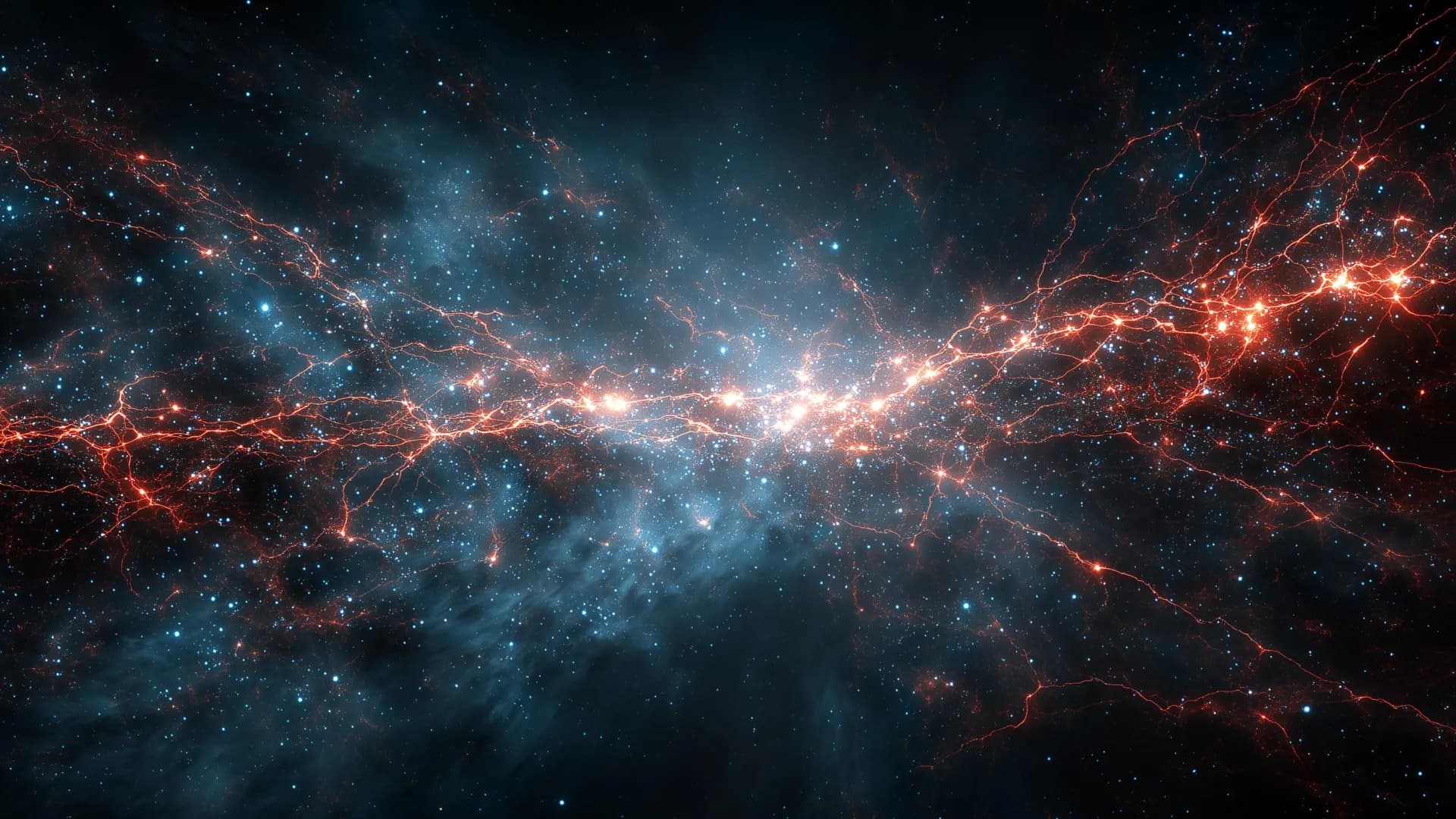
Dark matter particles may exert a hidden force on one another, but its effects are stranger than expected. An extra attraction helps the particles cluster, yet it also makes dark matter effectively lighter as the Universe expands. That weakens its gravitational impact and usually slows the growth of cosmic structure rather than accelerating it.
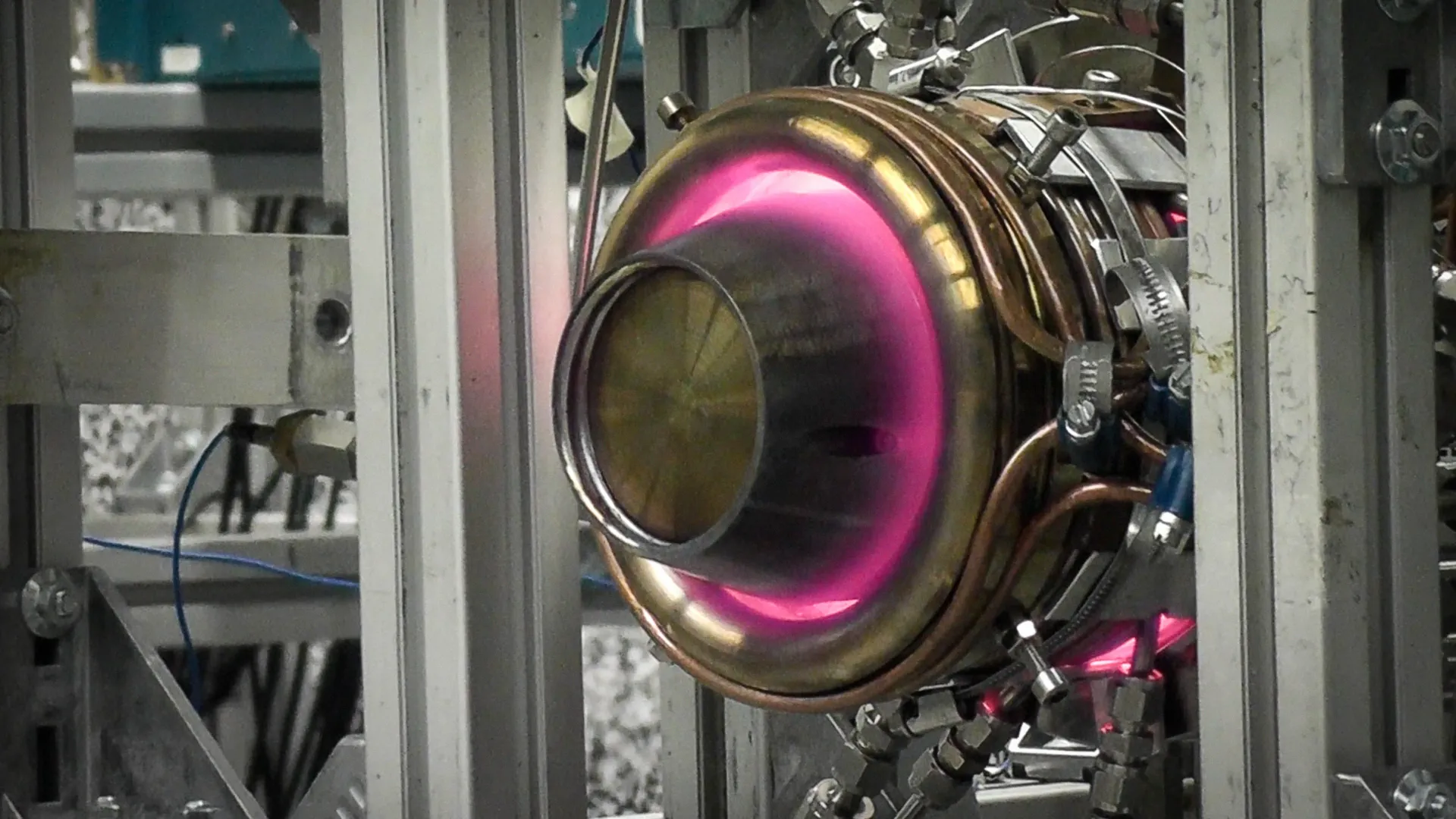
Scientists have successfully generated electricity with a hydrogen turbine that produces its own pressure through detonation waves instead of relying on a mechanical compressor. The breakthrough could unlock dramatically more efficient power systems for clean energy and future aviation.
Photons traveling through a cloud of atoms can emerge so early that they appear to have spent a negative amount of time inside. Researchers tested whether this was merely a misleading feature of the light pulse by making extremely weak measurements of the atoms. Surprisingly, the atoms confirmed the same negative dwell time. The finding does not break standard physics, but it reveals that one of quantum mechanics’ strangest effects is physically measurable.
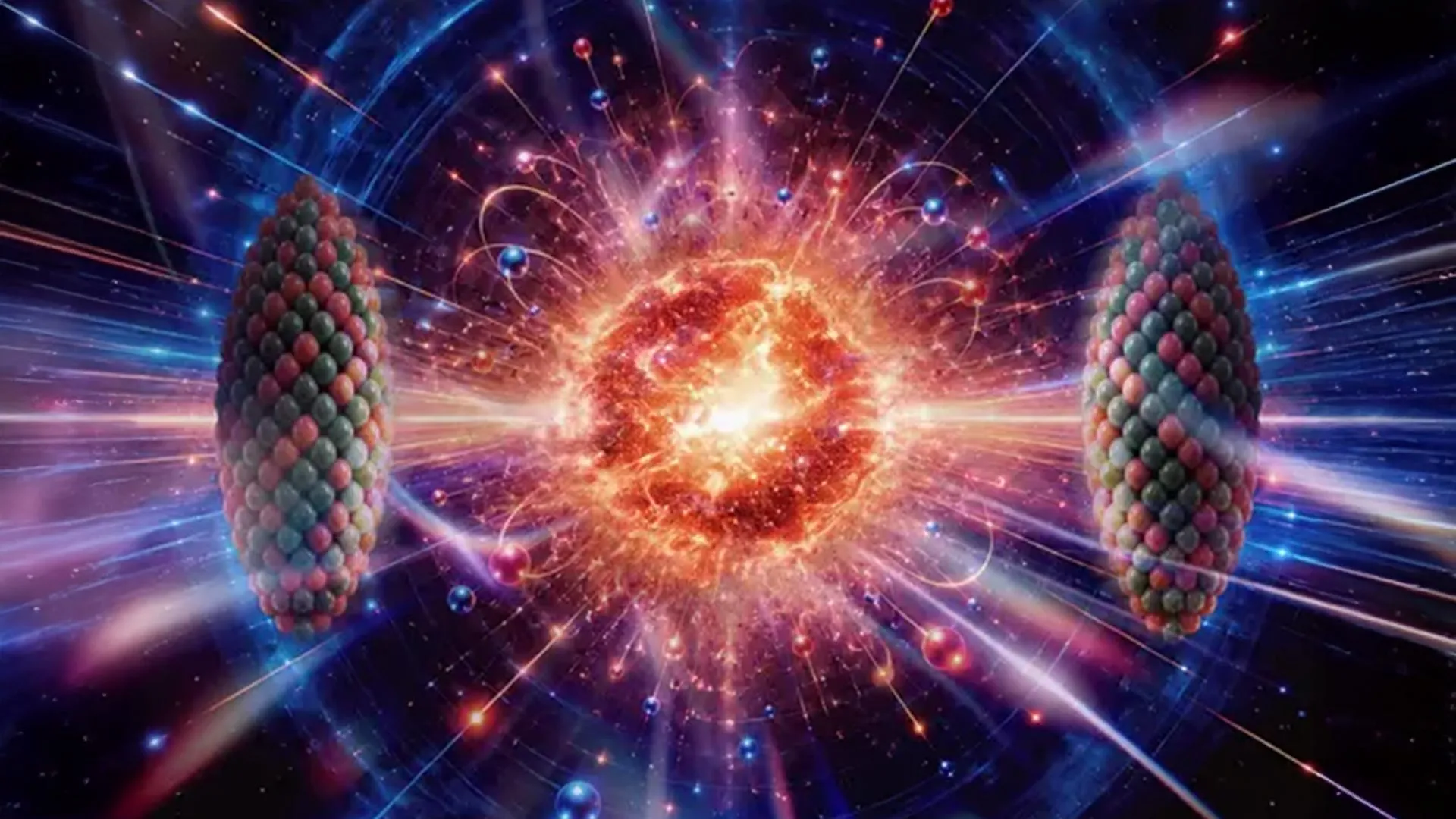
When atomic nuclei smash together at nearly the speed of light, they create the hottest fluid in the universe, but scientists may have overlooked one of its most important forces. New simulations reveal that extreme acceleration builds up along the edges of quark-gluon plasma, helping drive its explosive expansion. This acceleration may do far more than move the fluid, potentially changing its temperature-like behavior, influencing particle spins, and even reshaping how matter transitions between fundamental states.
A mathematician working at Anthropic says he used the AI model Claude Fable 5 to uncover a remarkably simple counterexample to the Jacobian conjecture, a famous problem that has resisted mathematicians for more than a century. The result shows that the conjecture is false in three dimensions and above, although the original two-dimensional version remains unsolved.
A massive magma reservoir has been detected deep beneath Tuscany, despite showing no obvious signs at the surface. Scientists mapped the roughly 6,000-cubic-kilometer body using natural ground vibrations recorded by dozens of seismic sensors. It poses no immediate danger, but the discovery reveals how enormous volcanic systems can remain hidden and could transform the search for geothermal energy and critical minerals.
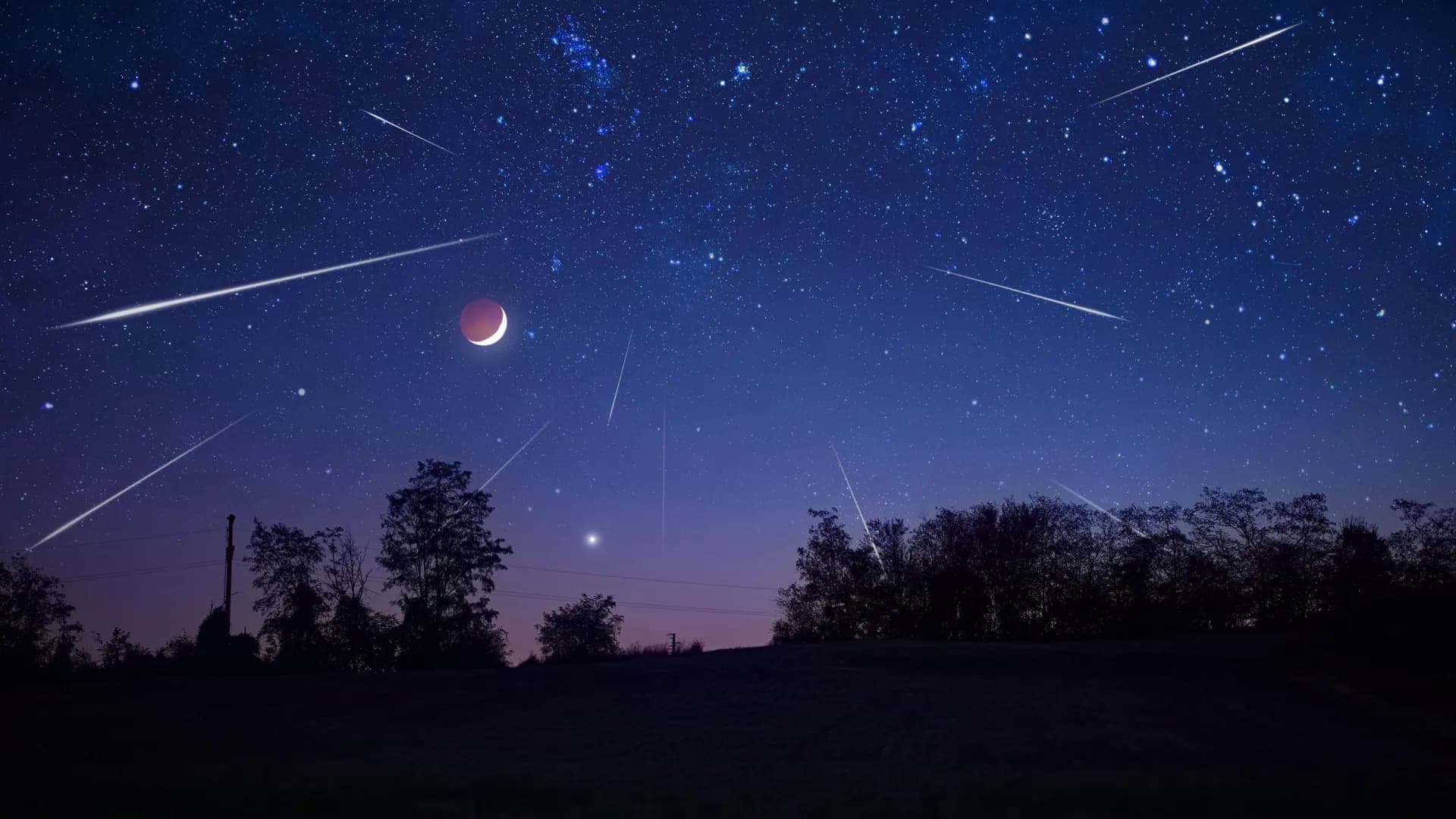
August brings four major celestial events, including a solar eclipse and the peak of the Perseid meteor shower. Dark New Moon skies could make the Perseids especially impressive, while Venus will blaze in the west after sunset. A deep partial lunar eclipse closes the month, darkening most of the Moon.
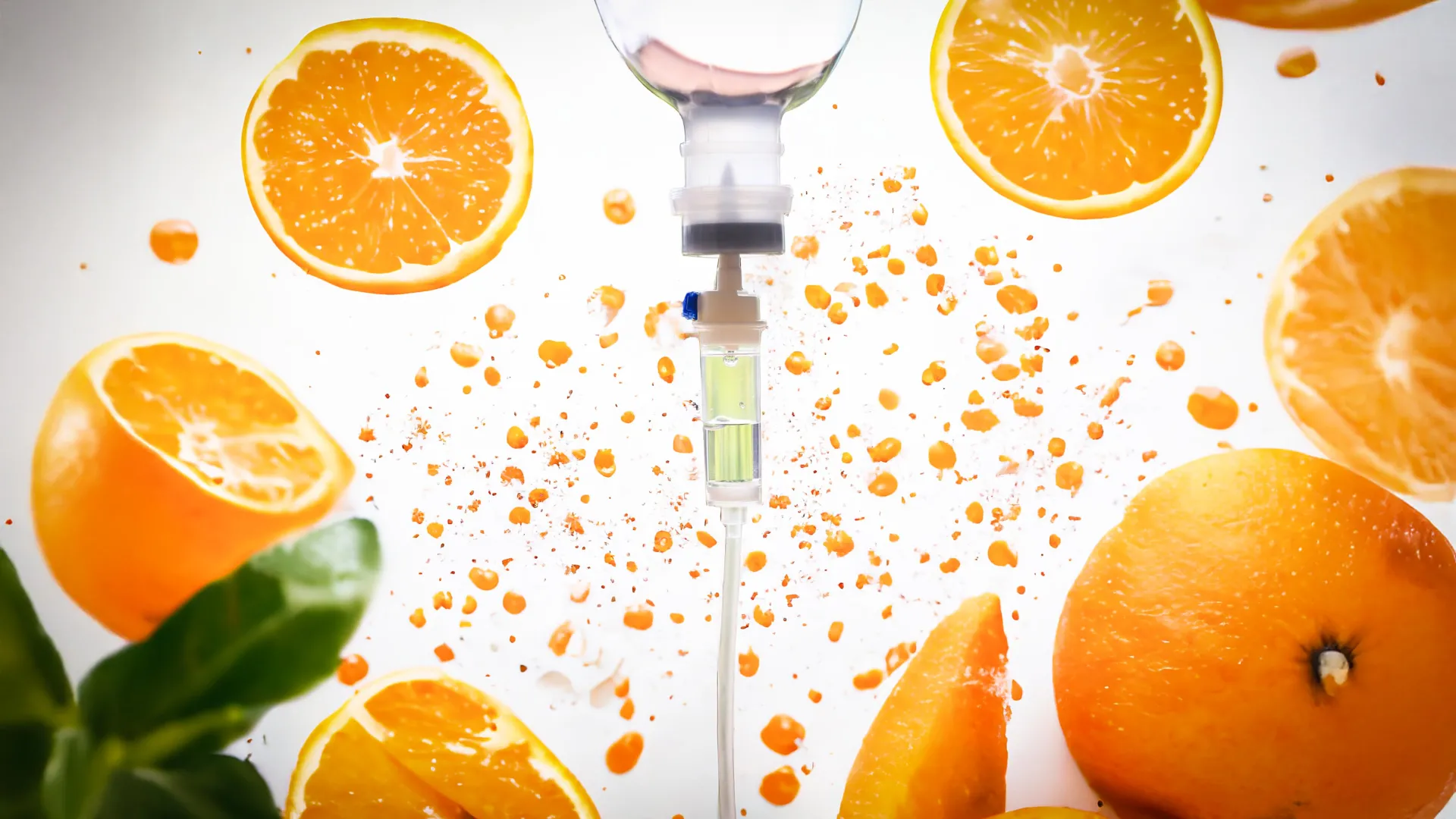
Linus Pauling was widely mocked for claiming that vitamin C could fight cancer, especially after trials using vitamin C pills showed no benefit. Researchers now know that intravenous vitamin C reaches vastly higher concentrations and can behave more like an experimental cancer drug than an ordinary supplement. Early studies suggest it may damage vulnerable cancer cells, reduce treatment side effects, and possibly improve outcomes for some patients.
Beginning around age 50, the brain’s memory center appears to lose many of its longtime immune cells and replace them with more inflammatory ones. This surprising shift may help explain how normal aging sets the stage for Alzheimer’s disease and dementia.
Blocking the glycine transporter SLC6A20 restored important brain signaling and improved social, communication, and repetitive behaviors in autism-related mouse models. The treatment also worked in human brain organoids and showed lasting effects in adult mice, suggesting the brain may remain more treatable later in life than previously thought.
Changing how much sweet-tasting food people eat may not change how much they crave or enjoy sweetness after all. In a six-month trial, researchers found that people assigned to high-, low-, or average-sweetness diets showed no meaningful differences in their preference for sweet foods, body weight, or markers linked to diabetes and heart disease. Many participants also drifted back toward their previous eating habits once the trial ended.
An intensive seven-day meditation retreat triggered striking changes across the brain and body, including shifts tied to neuroplasticity, immunity, metabolism, and natural pain relief. Participants also showed brain connectivity patterns resembling those associated with psychedelic experiences, suggesting that powerful altered states may be achievable without drugs.
Getting the recommended 150 minutes of moderate-to-vigorous exercise each week may offer only modest protection against heart attacks and strokes. A large study suggests that substantially greater benefits may require roughly 560 to 610 minutes a week—nearly 9 to 10 hours of brisk walking, running, cycling, or similar activity.