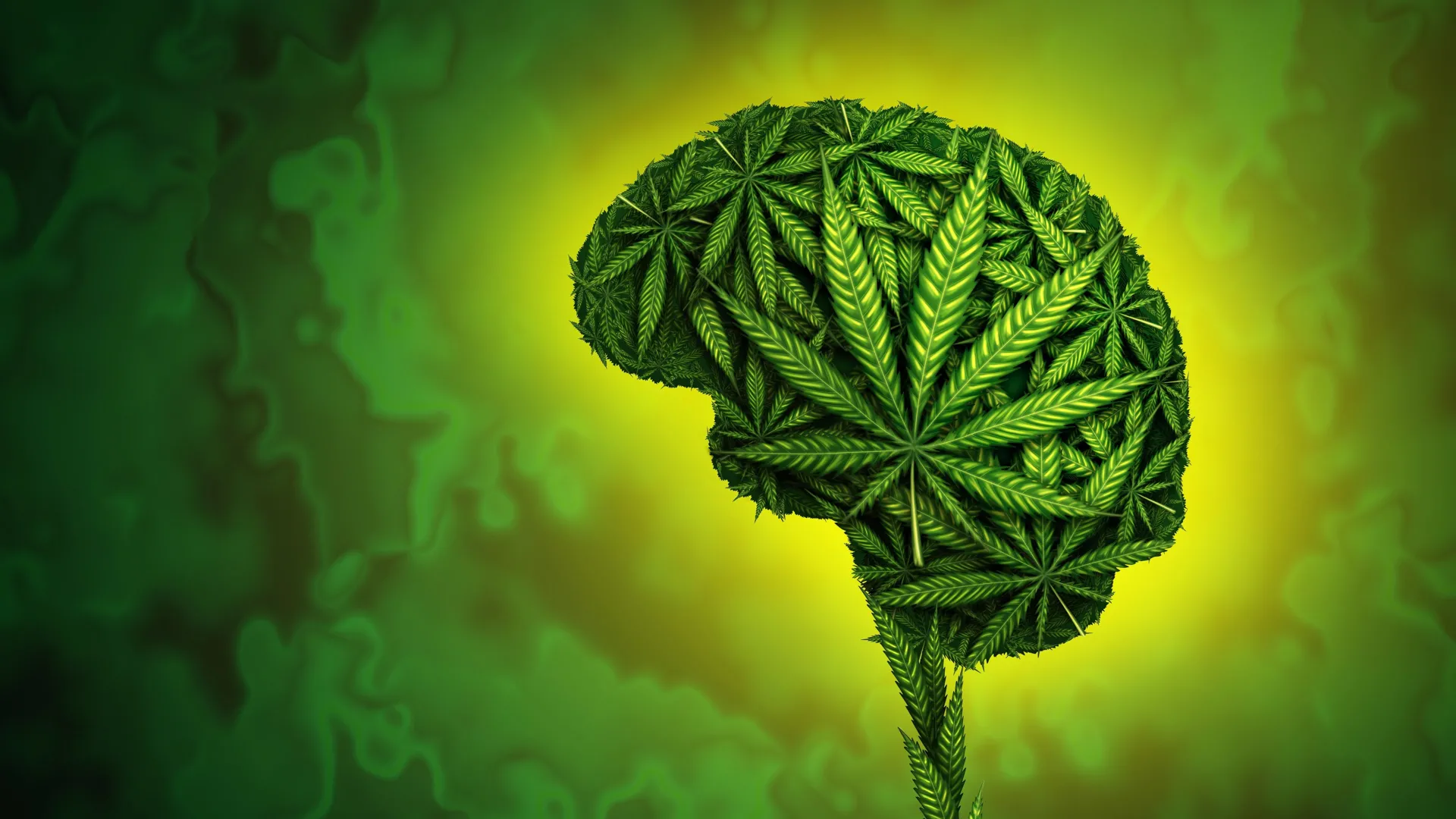
Frequent cannabis users may wake up with unusually high levels of the stress hormone cortisol, suggesting their daily stress rhythms could be disrupted. Researchers say the finding raises questions about whether using cannabis for stress relief might, over time, interfere with the very system that helps the body handle stress.
Just a couple of hours of strength training each week could have surprisingly powerful effects on longevity. People who lifted weights for around 90 to 120 minutes weekly had a 13% lower risk of dying early, with especially large reductions in deaths from cardiovascular and neurological diseases. Pairing strength training with regular aerobic exercise was even more impressive, lowering overall death risk by about 45%.
Full-fat dairy may be healthier than conventional advice has suggested. In a 12-week study, adults who ate three servings a day showed no meaningful increases in weight, body fat, cholesterol, or insulin resistance. They also experienced improved blood pressure and consumed more calcium, protein, and vitamin D. The findings suggest dairy’s complex structure may matter more than its saturated fat content alone.
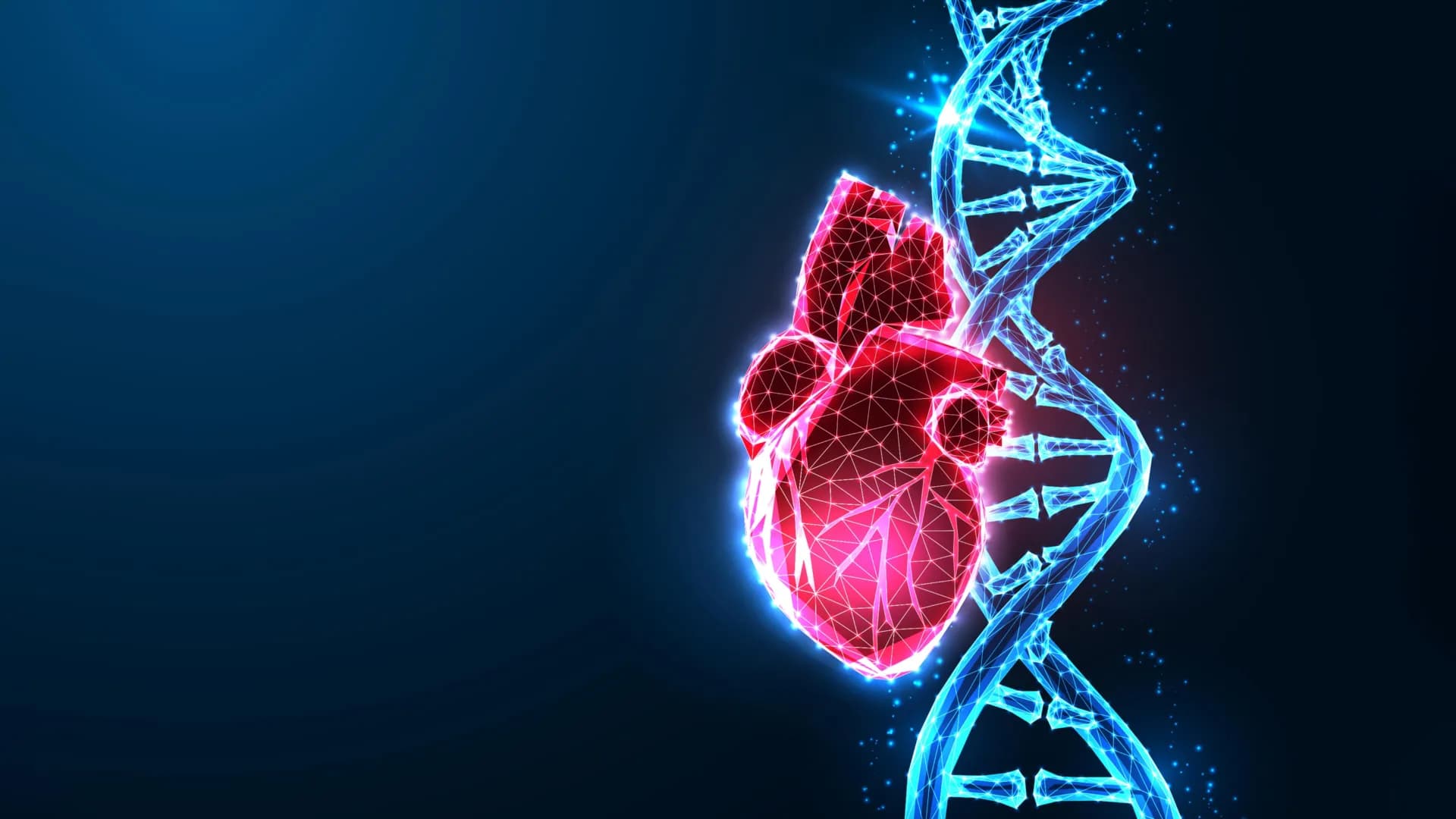
Very high levels of the inherited cholesterol-related particle Lp(a) were linked to a greater risk of major cardiovascular events, particularly stroke and cardiovascular death, in a study of more than 20,000 people. Since elevated Lp(a) often flies completely under the radar, a simple blood test could uncover hidden heart risk that standard cholesterol testing may miss.
A daily glass of 100% fruit juice or a smoothie may help improve more than just fruit intake. In a small four-week trial, participants who added one to a healthier diet showed significantly lower depression scores, hinting that a simple dietary change could also support mental well-being.
A study tracking more than 340,000 adults for over a decade found that heavy drinking increased the risk of death regardless of beverage type. At lower levels, however, the picture became more surprising: beer, cider, and spirits were linked to higher mortality, while wine was associated with lower risk. Moderate wine drinkers had a 21% lower risk of cardiovascular death compared with people who rarely or never drank.
UCLA researchers have created a blood test that can scan DNA signals for multiple cancers, liver diseases, and signs of organ damage—and even indicate where trouble may be developing. Early results suggest the inexpensive approach could bring medicine closer to a single blood test capable of catching a wide range of diseases before they become harder to treat.
An experimental GLP-1 pill helped people with obesity or overweight lose as much as 12.1% of their body weight in just 36 weeks. Unlike injectable drugs such as Wegovy and Ozempic, aleniglipron is a small molecule that can be taken once daily with or without food and could potentially be produced more easily at scale.
Marine heatwaves are emerging as a threat not just to coral reefs and fisheries, but to human health and well-being. Researchers warn that unusually hot oceans can fuel stronger storms, trigger harmful algal blooms, reduce seafood supplies, disrupt livelihoods, and contribute to anxiety, grief, and depression in coastal communities.
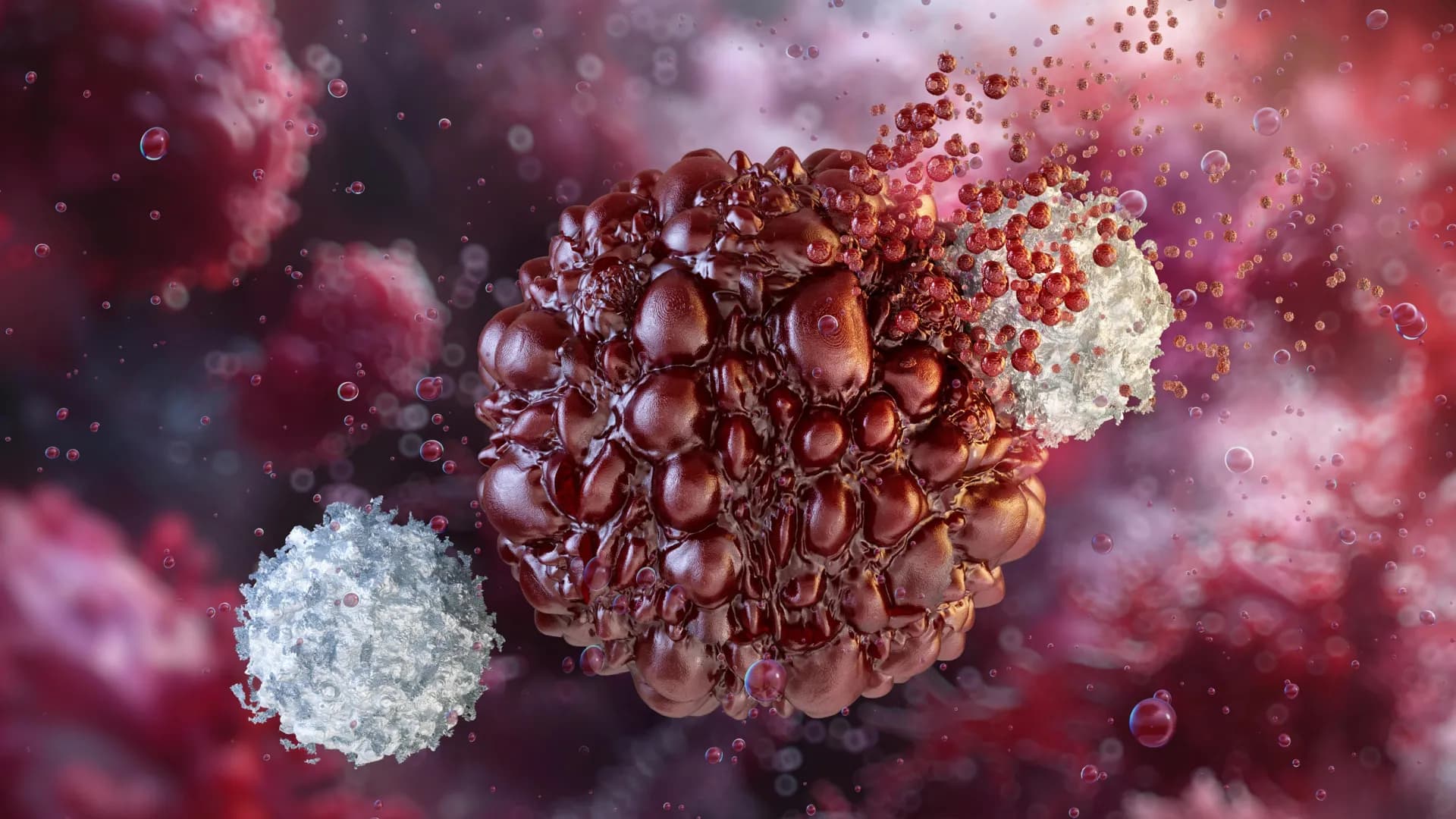
A protein that evolved long before the human circulatory system may help unlock stronger cancer treatments. When C3 is produced inside tumors, it blocks immune-suppressing cells and gives immunotherapy a better chance to work. Researchers were even able to recreate this effect in resistant tumors, significantly improving survival in mice.
Earth’s molten iron core unexpectedly reversed direction beneath the Pacific, revealing a dramatic change in the hidden engine that creates our planet’s magnetic field. Satellite data suggest the surge is already weakening, raising the possibility that the deep-Earth upheaval is part of a mysterious natural cycle.
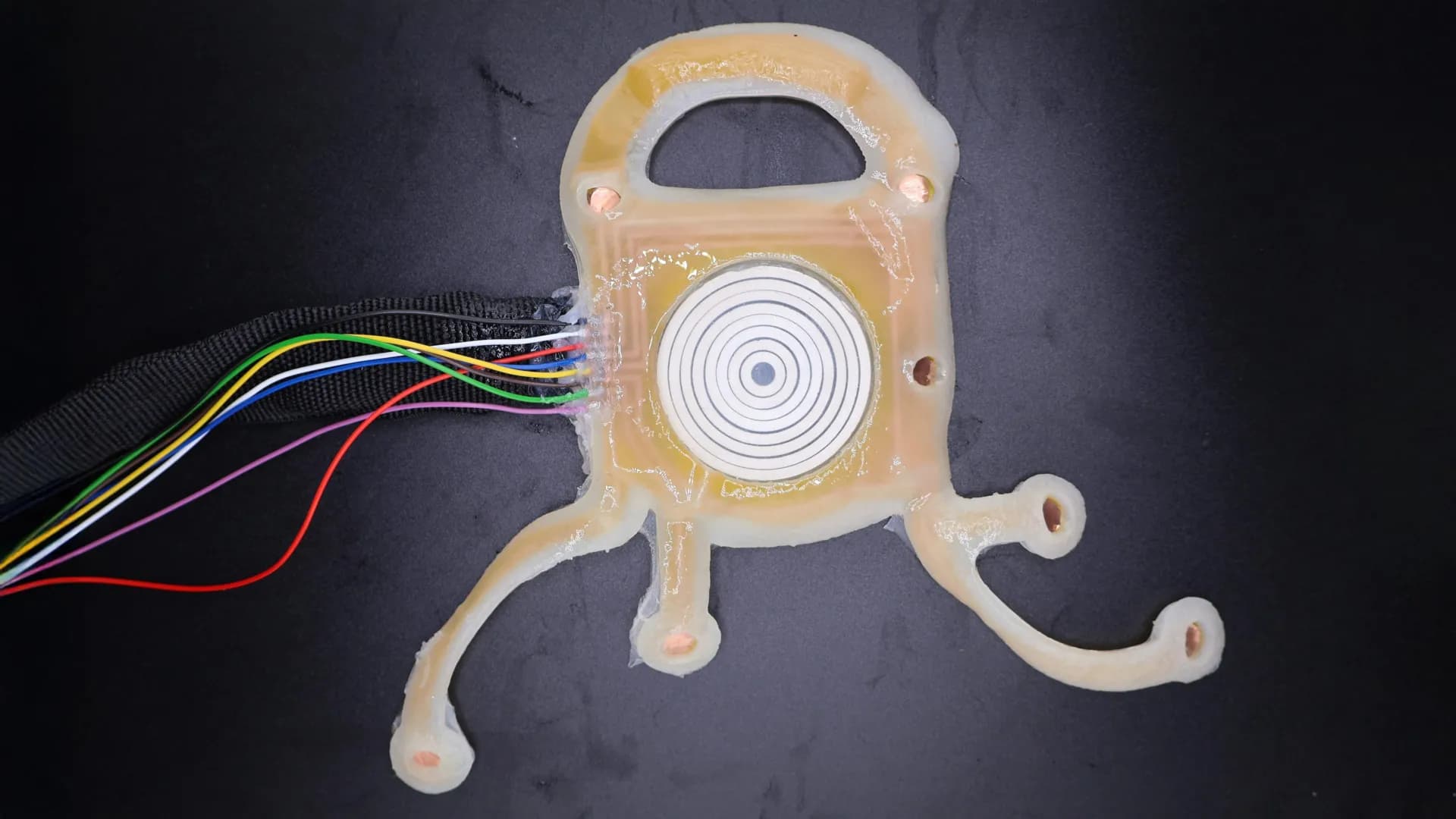
A new wearable patch may help people reach REM sleep faster and remain there longer without medication or surgery. In a study of 28 participants, the device shortened the time to REM by 43 minutes and extended it by about 16 minutes. Researchers also observed signs of improved stress regulation and changes in brain circuits tied to emotion.
More than 5,000 years after his death, Ötzi the Iceman is still hosting a remarkable mix of ancient and modern microorganisms. Researchers separated microbes that lived in his body during his lifetime from those that arrived after his death, uncovering traces of his original gut bacteria and cold-loving yeasts that may have survived alongside him in the glacier for millennia.
Teens who start using cannabis may experience slower growth in memory, attention, language, and processing speed. Their abilities often developed normally at first, then began leveling off while nonusers continued improving. THC appeared to be the most likely driver, especially for worsening memory.
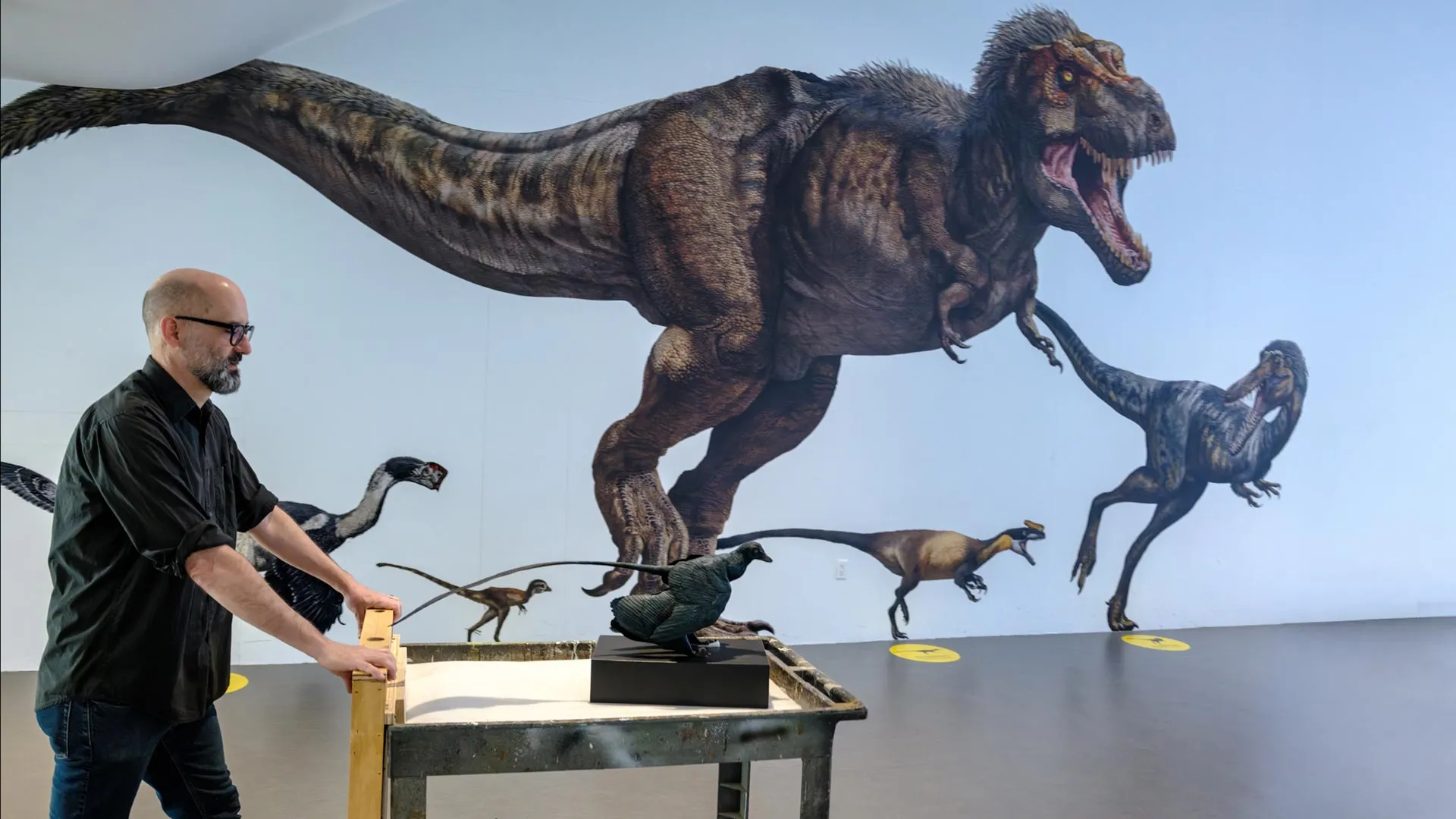
Dinosaurs conquered the land at enormous sizes, but strangely, they almost never evolved into truly tiny animals. New research suggests that physiology alone can’t explain this missing miniature end of the dinosaur spectrum—and that early mammals may have been partly responsible. While dinosaurs kept mammals from becoming large, small mammals may have returned the favor by occupying ecological niches that could otherwise have supported mouse-sized dinosaurs.
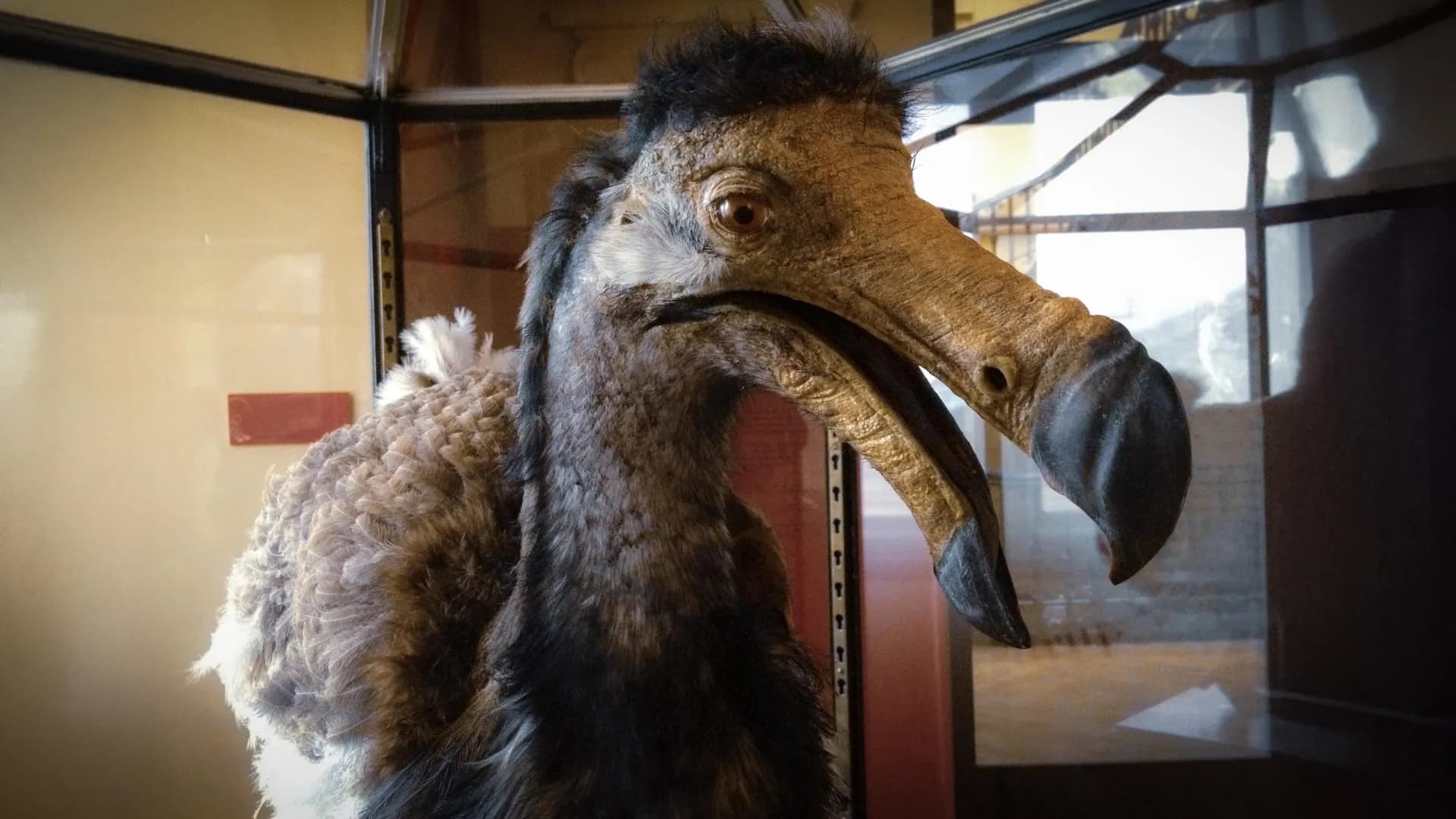
CT scans of the world’s rarest dodo skulls suggest the extinct bird may have had a stronger sense of smell, a highly sensitive beak, and a lifestyle that extended into dawn and dusk. The discoveries are helping overturn centuries-old myths and reveal a far more complex animal than the famously “dumb” dodo of popular imagination.
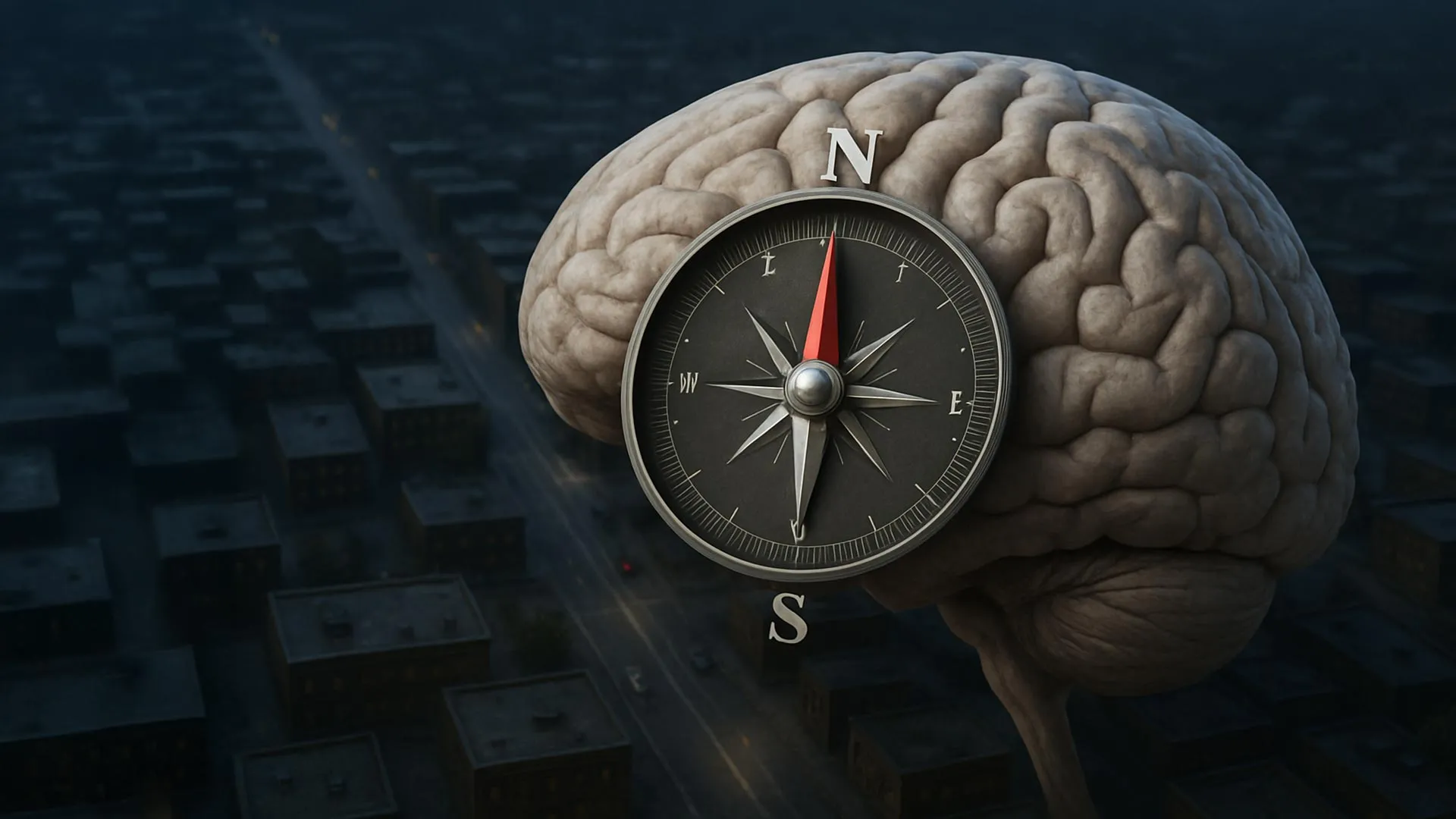
Stress may literally scramble the brain’s internal GPS. Researchers found that cortisol, a hormone released during stress, made people significantly worse at navigating a virtual environment and disrupted the precise activity of grid cells, specialized brain cells that help us understand where we are in space. When landmarks were missing, this navigation system nearly stopped functioning, while another brain region appeared to step in and compensate.
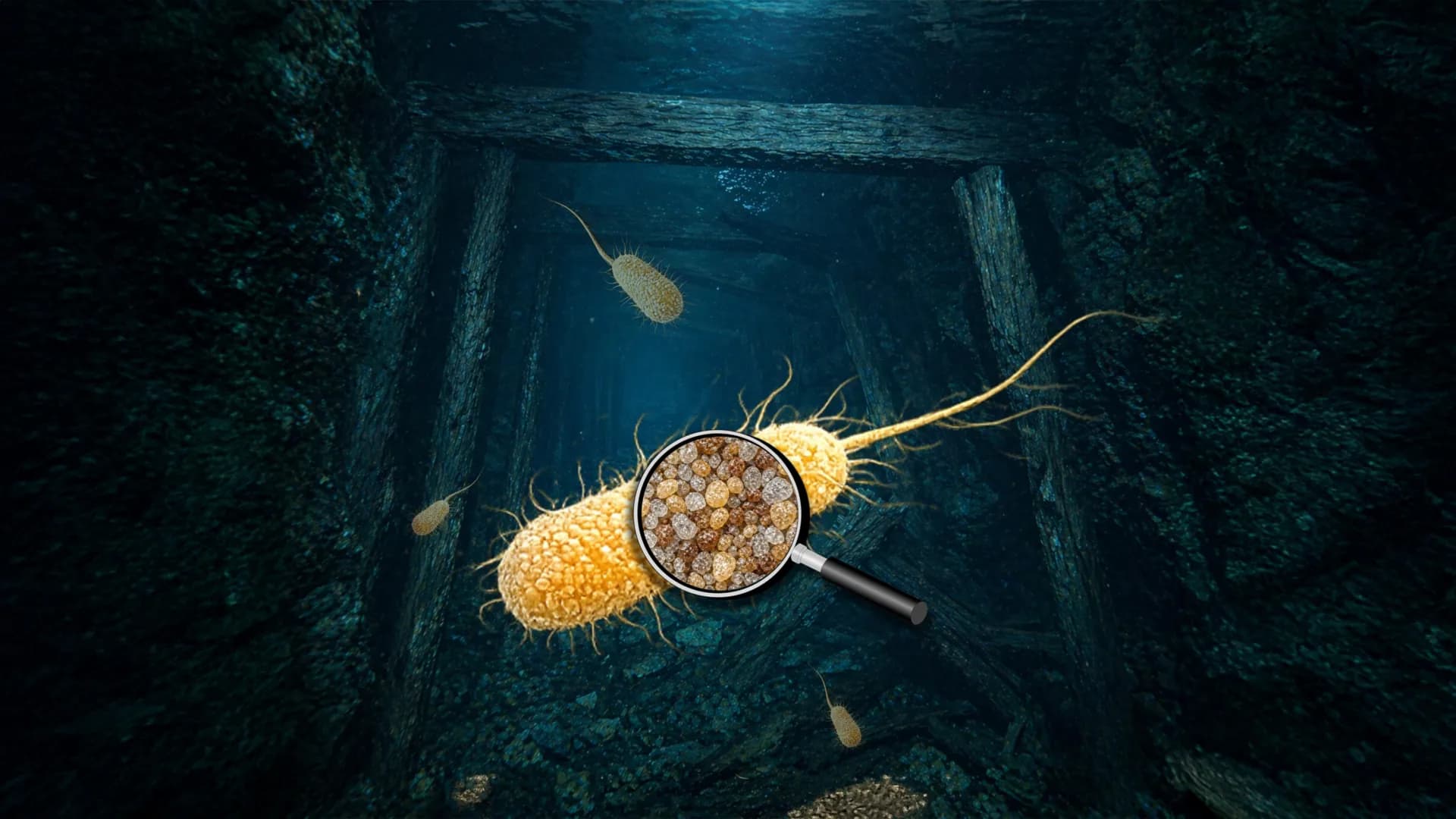
Deep underground, bacteria may be capable of doing something remarkable: trapping toxic uranium before it spreads. When researchers fed microbes in uranium-contaminated mine water with glycerol, about 95% of the dissolved uranium disappeared within 130 days. The bacteria helped convert it into an unusually stable uranium compound that had rarely been observed before.
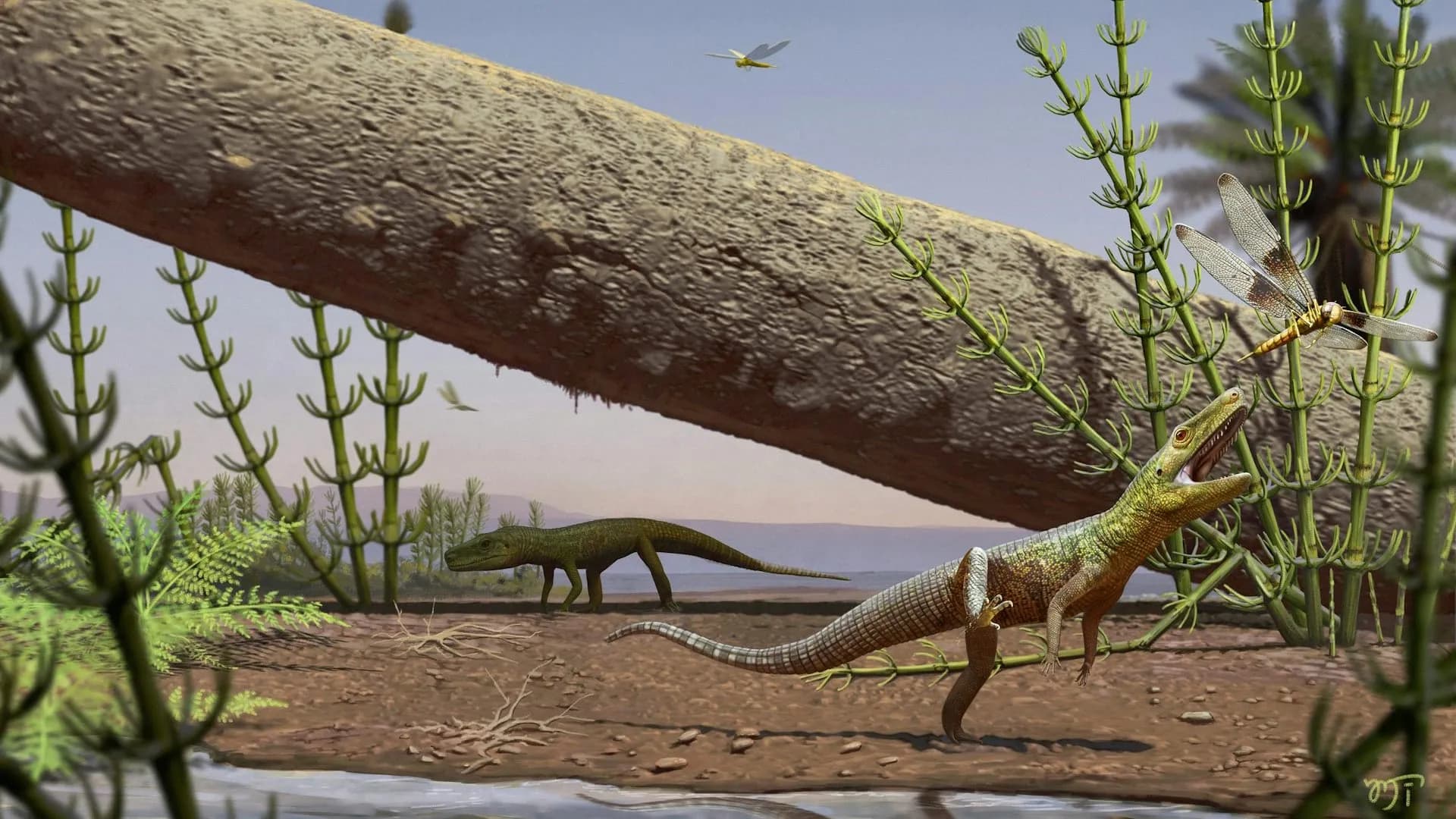
A 240-million-year-old reptile discovered in Brazil is revealing what evolution looked like just before the rise of dinosaurs and crocodiles. The small predator had unusually positioned legs that may have allowed it to move more efficiently than many earlier reptiles. Its close relatives were previously known mostly from other continents, suggesting these ancient animals spread much farther across the Triassic world than scientists realized.
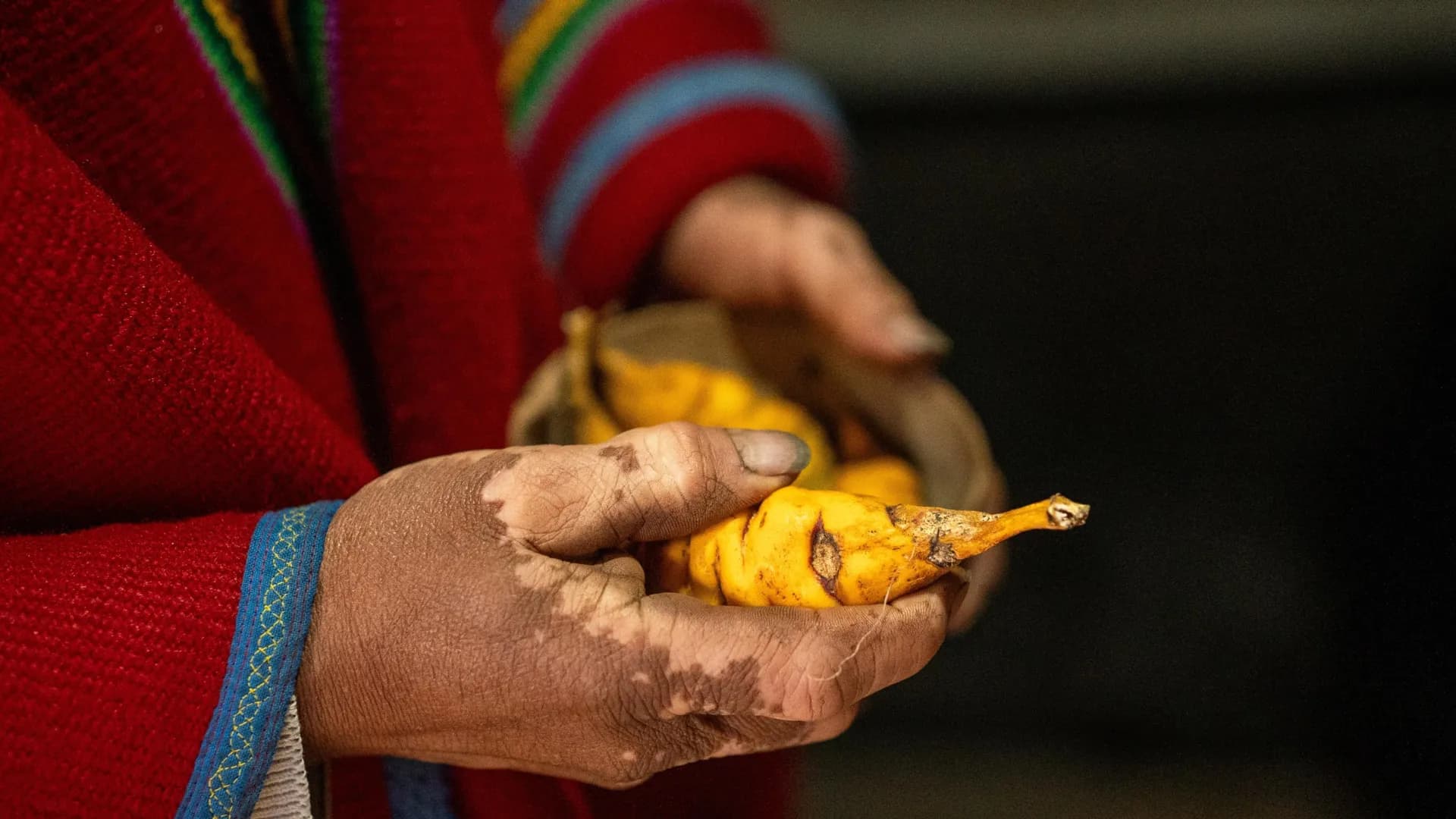
The rise of the potato in the Andes appears to have left a lasting mark on human DNA. Indigenous Peruvians carry exceptionally high numbers of a starch-digestion gene, likely because people with more copies gained an evolutionary advantage once potatoes became a staple food. The change began thousands of years before European contact, providing unusually strong evidence that diet can shape human evolution.
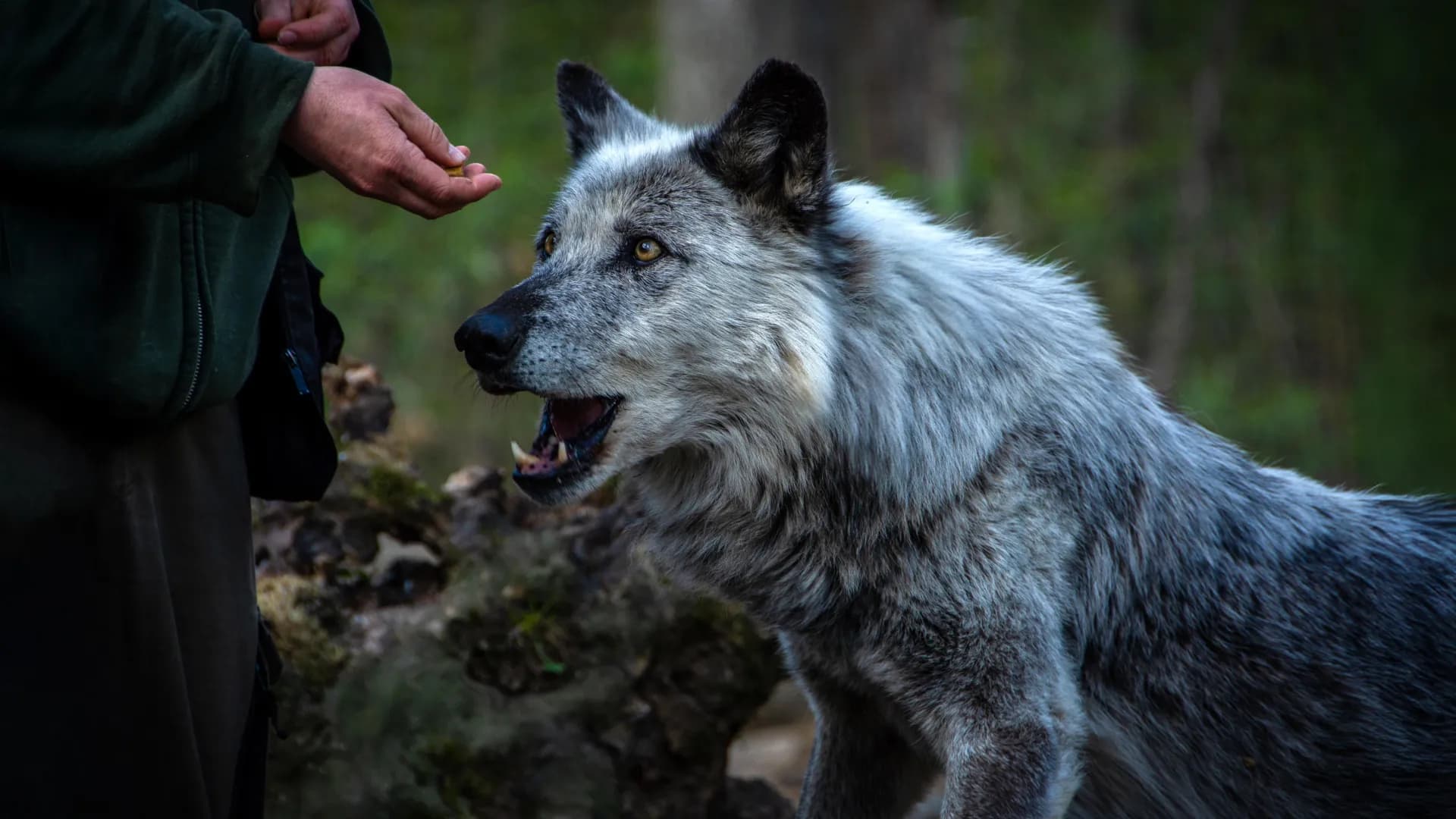
Dogs have been shaping—and being shaped by—humans for about 15,000 years, evolving from early partners of hunter-gatherers into an astonishing range of specialized companions. Across the globe, they adapted alongside people to wildly different environments and needs, from powerful Arctic sled dogs and agile rainforest hunters to high-altitude dogs with genetic traits for surviving thin air. Some were even bred for wool, while others played important spiritual or ceremonial roles.
More than 60,000 years ago, humans in southern Africa were engraving ostrich eggshells with intricate geometric patterns that appear far more organized than previously realized. Researchers found recurring grids, parallel lines, right angles, and repeated shapes, suggesting the designs followed deliberate rules rather than being improvised. The engravers may even have planned entire patterns in their minds before carving them.
Regular exercise may help the brain clear away harmful waste that can build up with age. Researchers found that physical activity supports several processes linked to the brain’s glymphatic cleanup system, including better sleep, lower inflammation, and healthier blood vessels. Because this waste-removal system becomes increasingly important as we get older, exercise could play a meaningful role in protecting against cognitive decline.