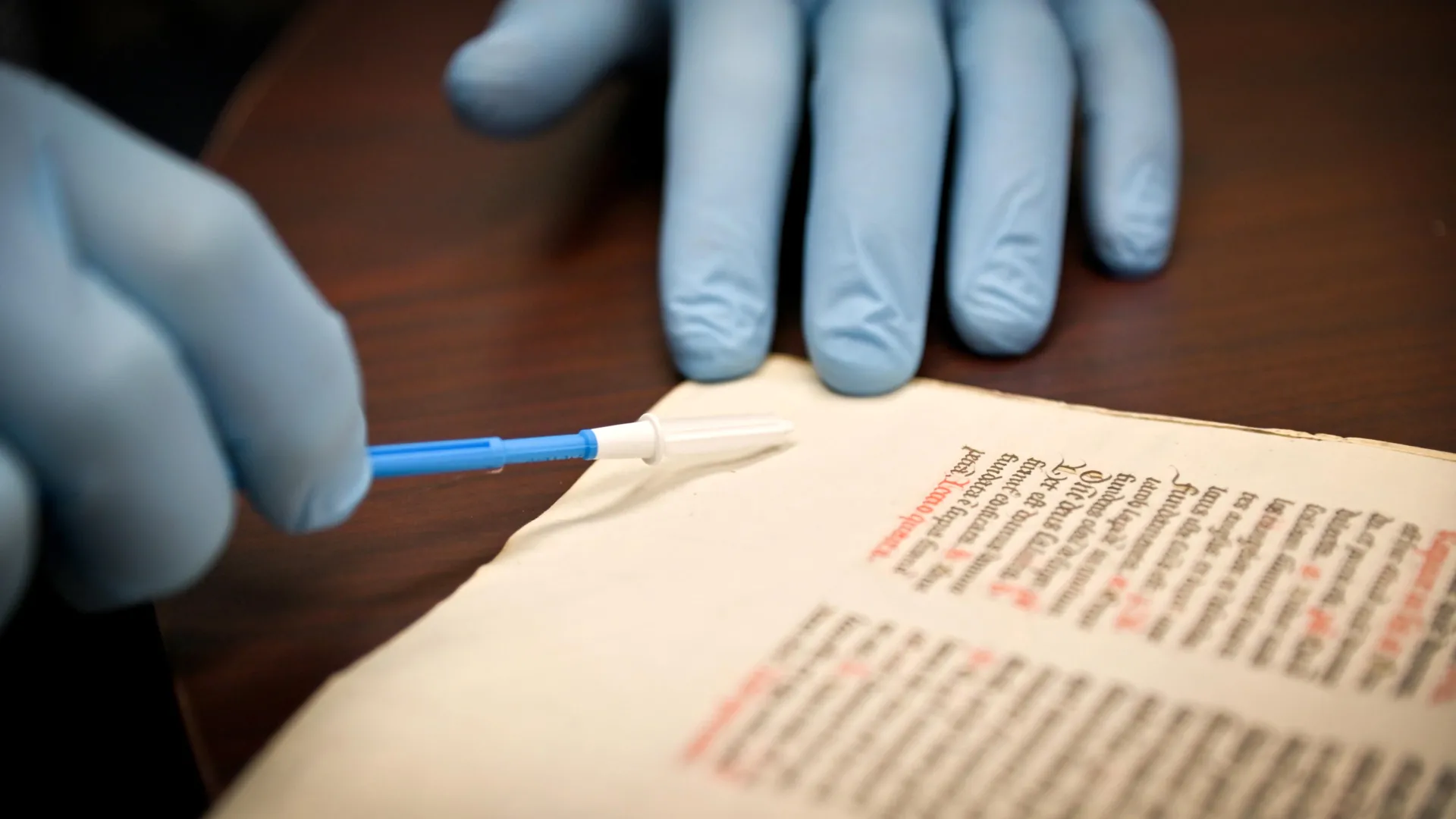
Researchers can now recover DNA from centuries-old parchment without damaging the manuscripts, turning historic documents into unexpected genetic time capsules. The hidden clues could reveal ancient trade routes, livestock history, manuscript origins, and details of everyday life stretching back more than a thousand years.
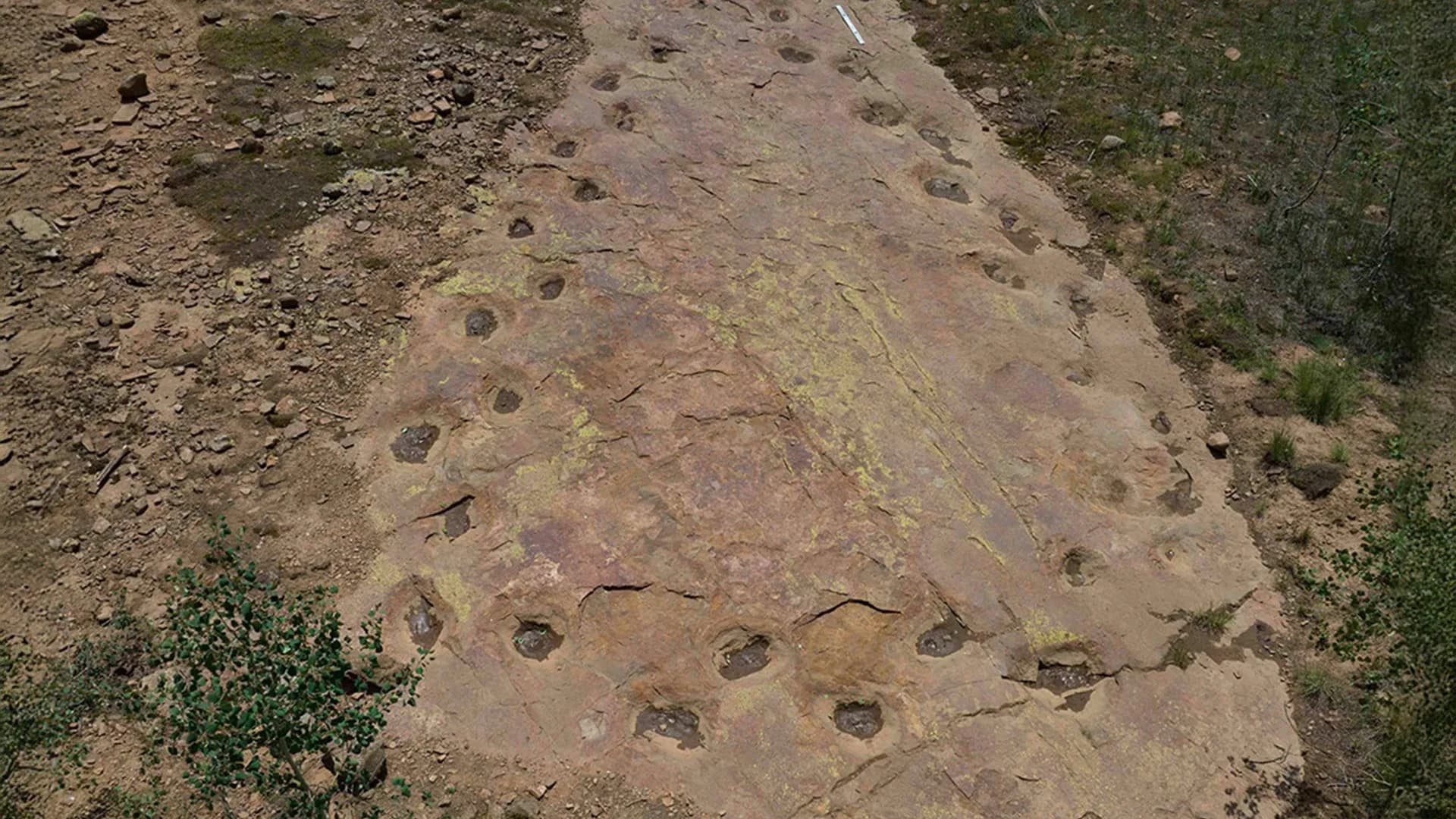
A spectacular 150-million-year-old trail of more than 130 footprints captures a giant sauropod making a complete loop before continuing on its way. Its uneven stride hints that the long-necked dinosaur may have been walking with a limp.
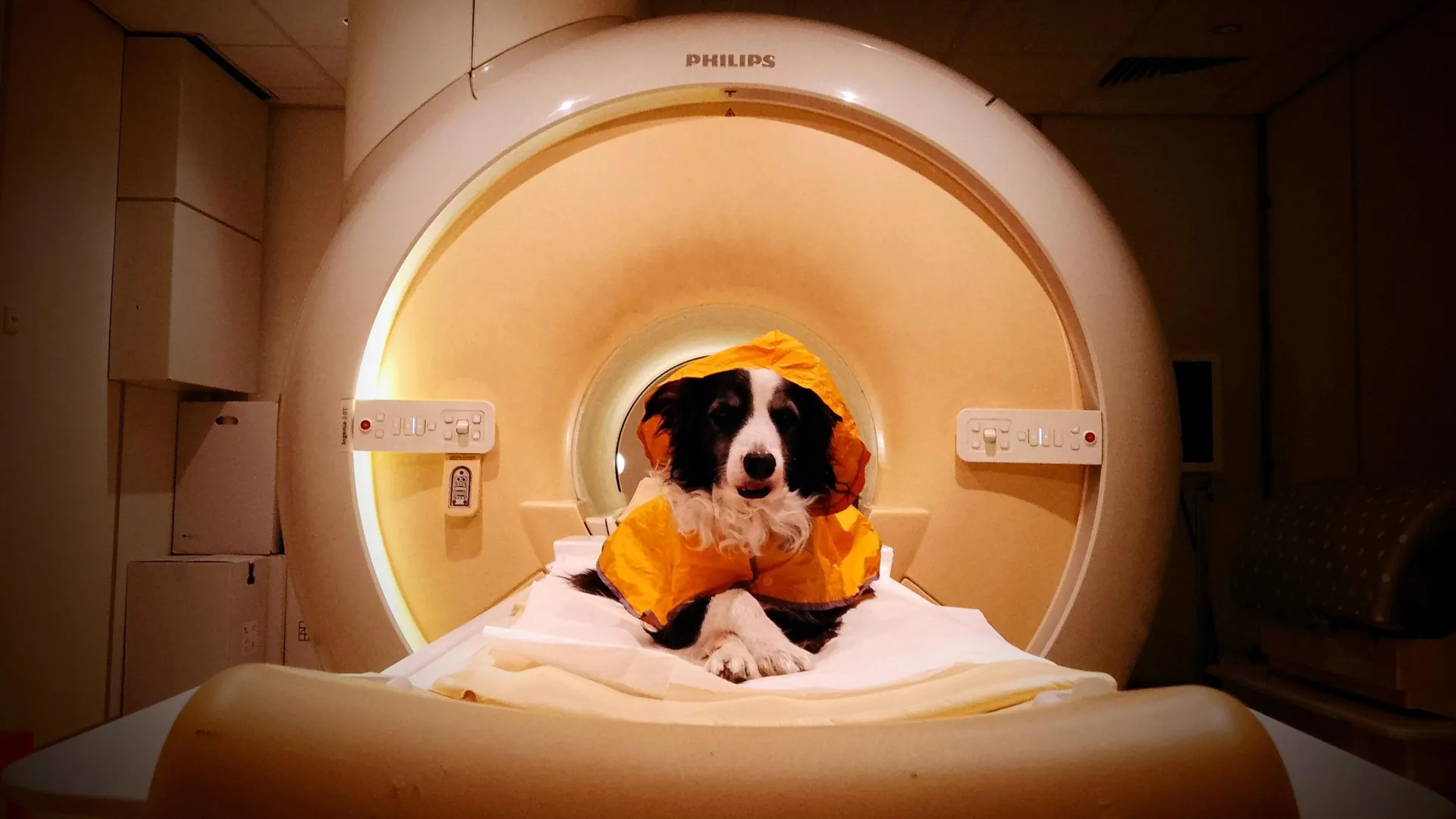
Dogs may understand our emotions more deeply than scientists realized. Brain scans show that happy human faces activate regions in dogs linked to higher-level processing and reward, suggesting that smiles carry special emotional significance for them.
A forgotten fragment of a lost papal letter is offering a surprising new explanation for the Norman Conquest. England may have backed the wrong pope during a bitter religious power struggle, giving Pope Alexander II a political reason to support William the Conqueror’s invasion. The discovery suggests Harold’s downfall in 1066 was shaped by intrigue in Rome as well as bloodshed at Hastings.
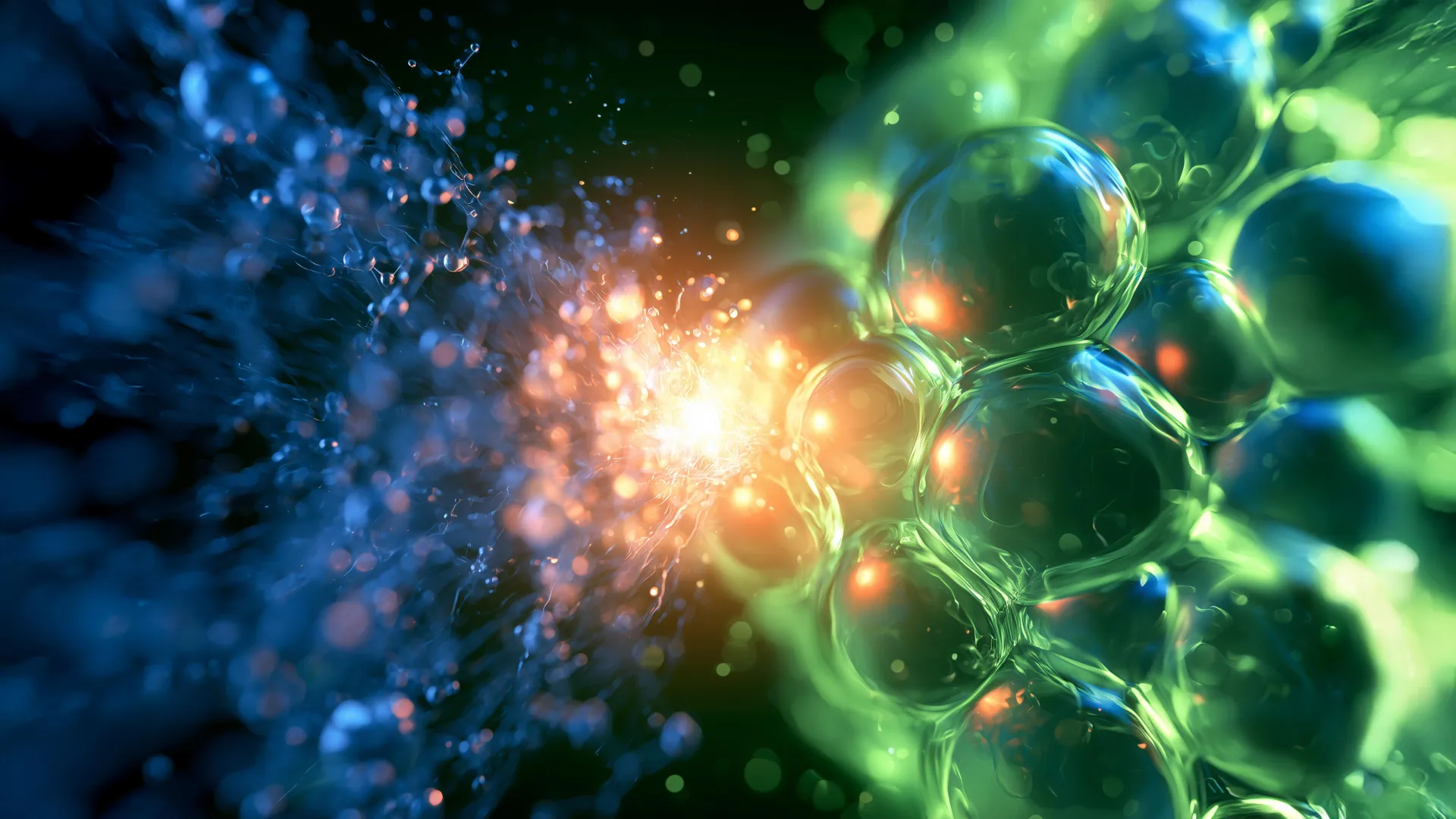
Scientists probing life’s deepest origins have uncovered evidence that the first free-living cells may have emerged not once, but twice. The findings suggest a striking possibility: life may share one ancient genetic code, yet have undergone two separate transitions into free-living existence.
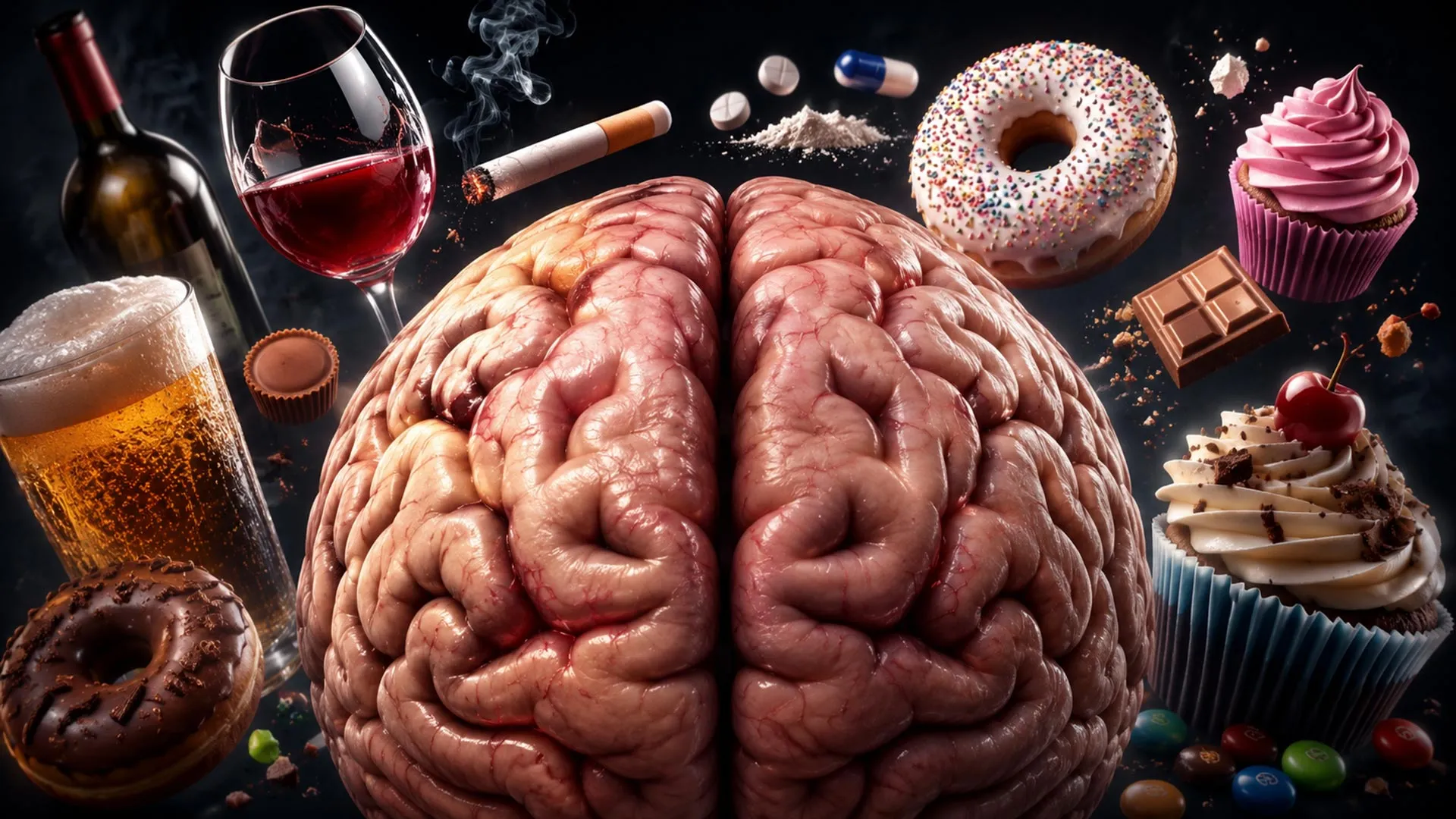
Ozempic-like drugs appear to weaken more than hunger—they may also reduce cravings for alcohol and other addictive substances. Scientists are increasingly tracing this effect to the lateral septum, a brain region that helps connect memories and surroundings with rewarding experiences. Packed with GLP-1 receptors, it may act as a crucial control point between thinking about a reward and feeling compelled to pursue it. The discovery could open new approaches to treating addiction as well as obesity.
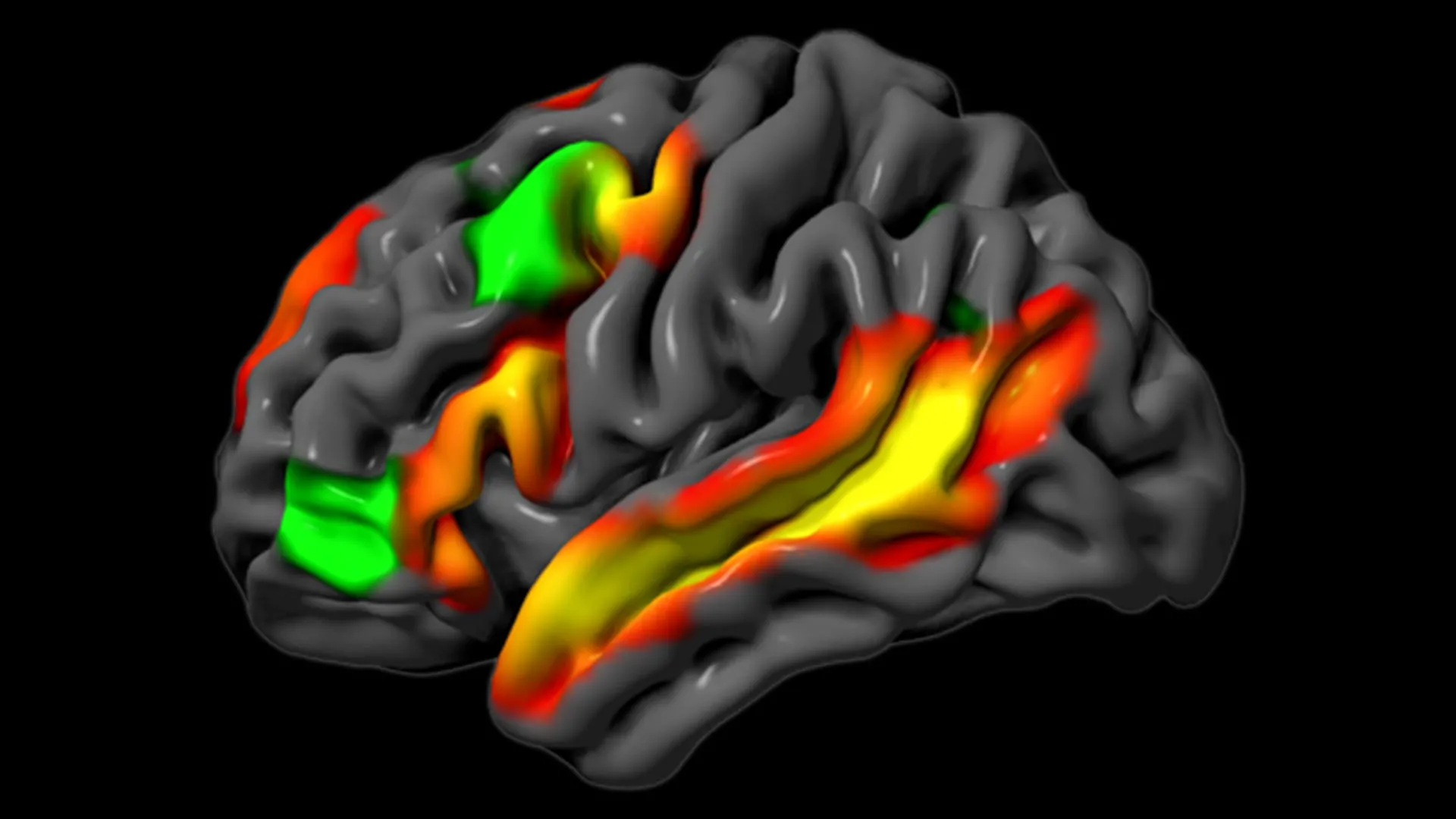
MIT neuroscientists have found striking evidence that language and logical reasoning are powered by separate systems in the brain. Even people with severe language impairments caused by stroke were able to solve challenging logic puzzles as well as people without those impairments, while brain scans showed that language-processing regions stayed largely quiet during reasoning tasks.
Ancient remains from Vietnam suggest diseases like yaws may have been passed from mother to child thousands of years ago, a form of transmission often assumed to indicate syphilis. The discovery could overturn how scientists interpret ancient infections and complicate the long-running mystery of syphilis’s origins.
Keratin extracted from sheep’s wool helped damaged bone regenerate in animals, producing tissue that was more organized and structurally similar to healthy bone than tissue grown with conventional collagen scaffolds. The discovery could turn an abundant agricultural byproduct into a promising new material for regenerative medicine.
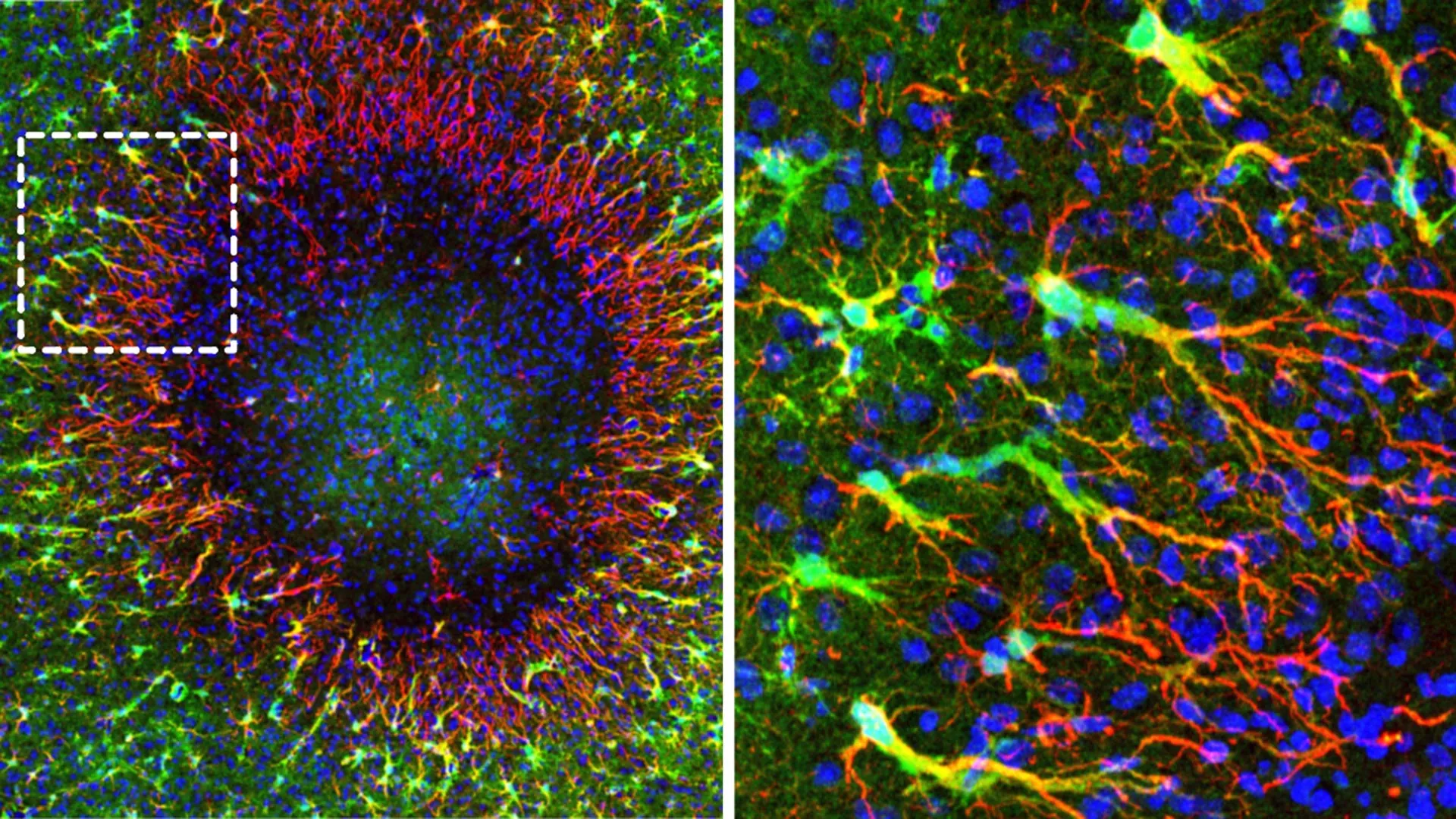
The adult brain may be far better at repairing itself than scientists once believed. In mice, researchers discovered a special group of support cells called astrocytes that respond to damaged brain tissue by rebuilding lost cellular networks. Rather than simply moving into the injured area, these cells perform a remarkable maneuver: they create new nuclei and send them traveling through long cellular extensions to repopulate damaged regions.
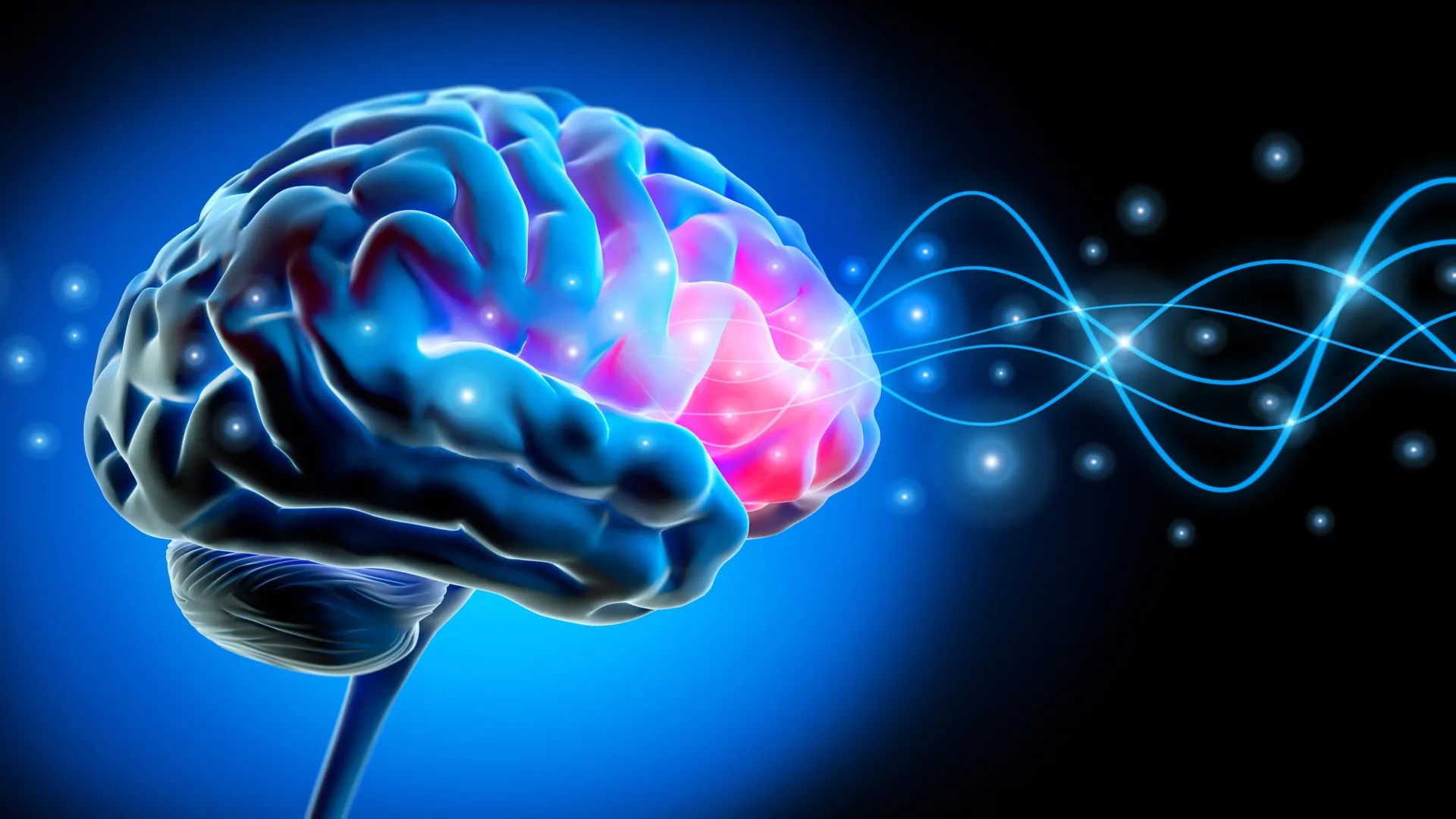
Scientists have pinpointed a brain network—and its distinctive electrical rhythm—that appears to drive the benefits of deep brain stimulation for Parkinson’s disease. The discovery could lead to more precise, personalized stimulation settings and better results for patients.
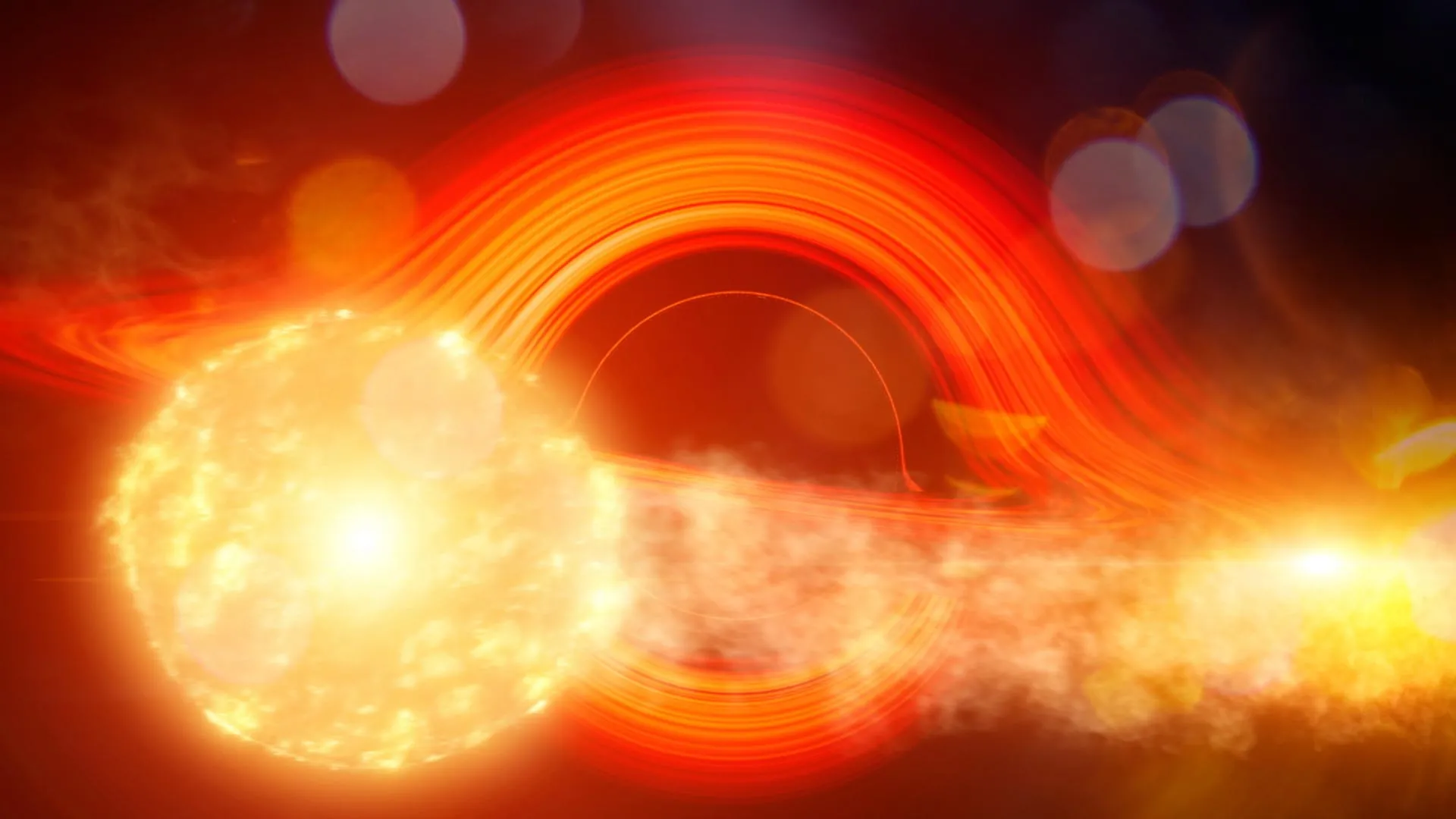
A supermassive black hole has been found lurking about 30,000 light-years from the center of its galaxy—the first dormant black hole detected so far from a galactic core. It revealed itself only after shredding a passing star and producing a brief, brilliant flare. Astronomers think it may be the remnant of a devoured galaxy or a black hole flung outward during a chaotic cosmic encounter.
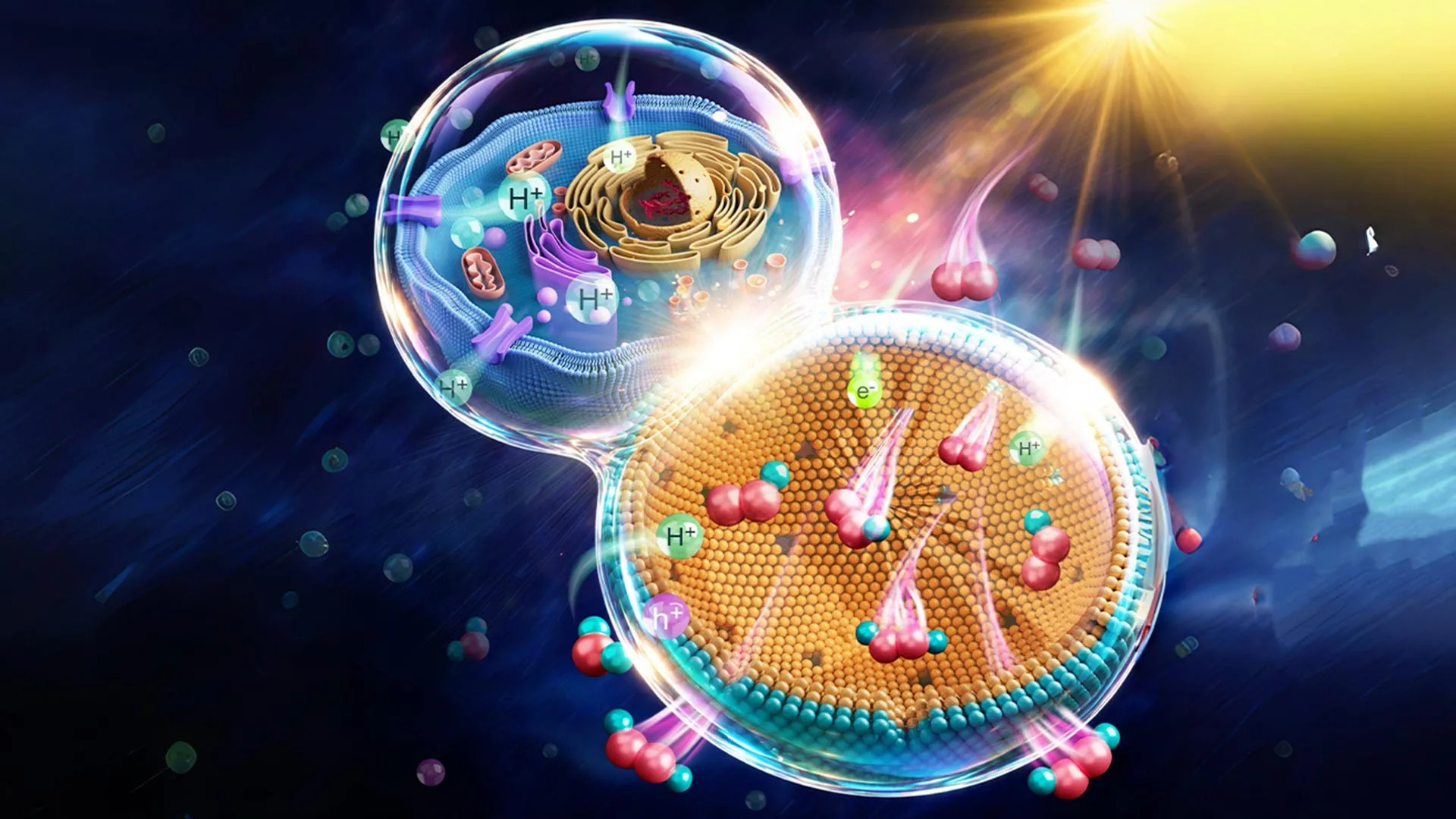
A new hollow nanoreactor mimics living cells to make hydrogen peroxide more efficiently using visible light. Its light-trapping cavity and proton-shuttling shell could open new possibilities for cleaner chemical manufacturing and artificial photosynthesis.
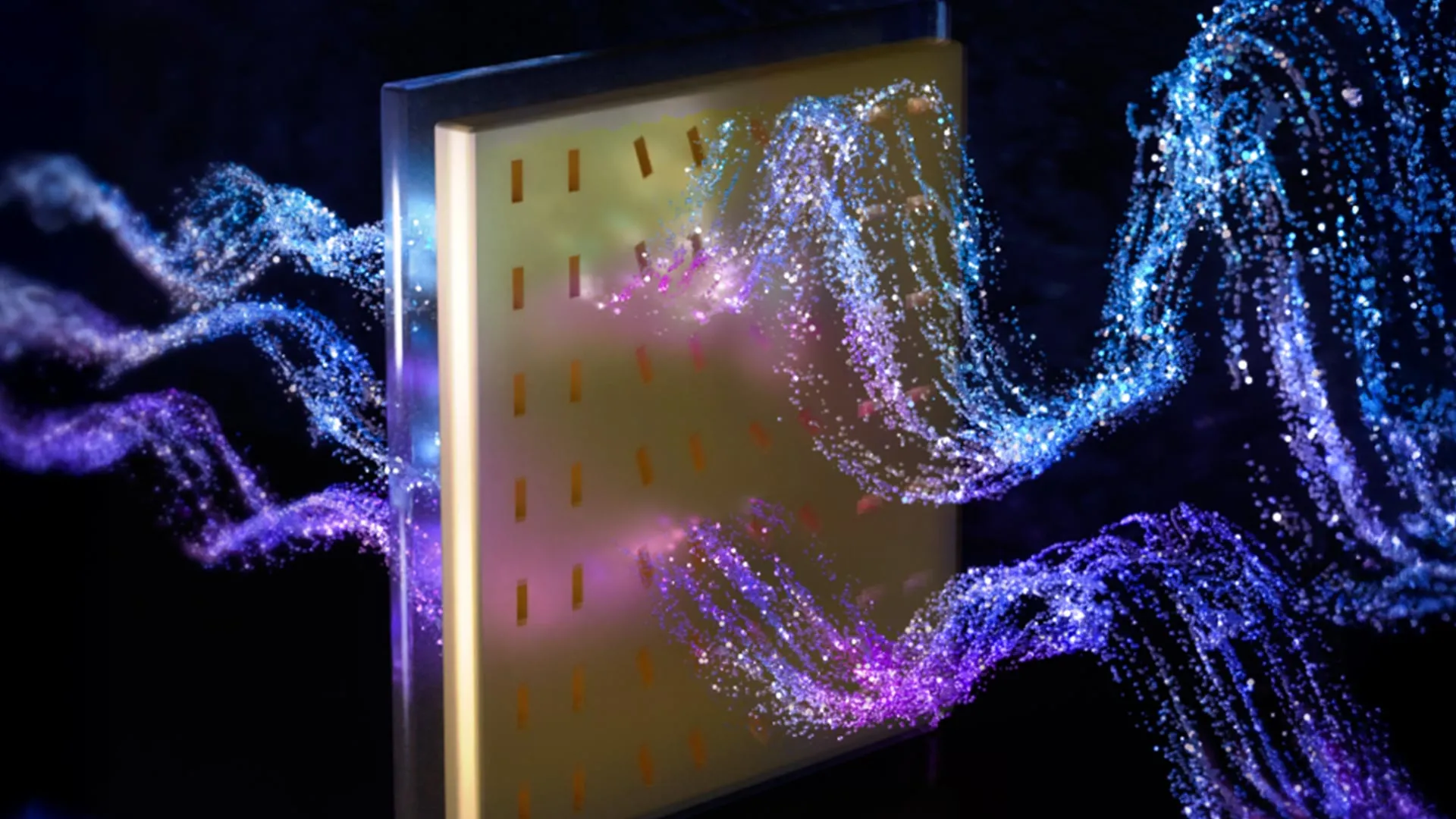
Scientists have created the first quantum material that can sort and transport different quantum states of light at room temperature, potentially removing the need for bulky, ultra-cold refrigeration systems. Built from a gold film carved with hundreds of microscopic structures, the ultrathin “metacrystal” acts like a filter that directs different kinds of quantum light along separate paths while preserving the information they carry.
Scientists have demonstrated that heat can move through a crystal in focused, wave-like rays at room temperature instead of spreading randomly. The breakthrough could make it possible to route heat around sensitive parts of next-generation chips and quantum devices.
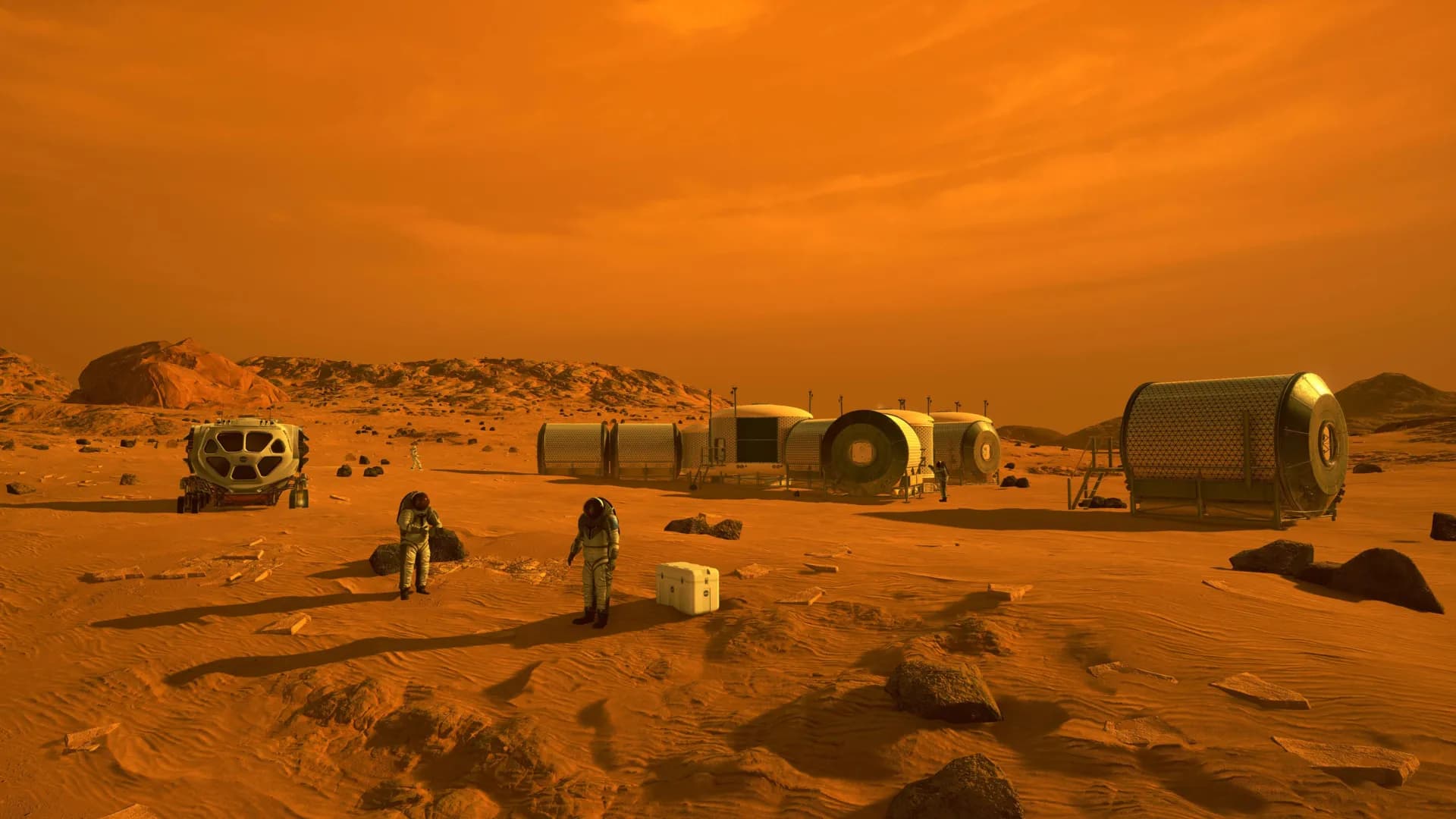
Metal-rich asteroids could one day become hardware stores for Mars, supplying the materials needed to build and repair a growing colony. A new analysis shows that carefully selected asteroids may be reachable with current spacecraft technology. Some could even provide the ingredients for making rocket fuel in space, dramatically reducing the burden of hauling supplies from Earth.
A ten-month Antarctic experiment found that astronauts may struggle not only with loneliness but also with spending too much time around the same people. Frequent contact was linked to greater tension and mistrust, while the crew increasingly divided into cultural and language-based groups.
A new nanostructured carbon design lets fuel-cell catalysts use tiny amounts of platinum while remaining remarkably stable and efficient. The breakthrough could help hydrogen fuel cells become a more practical way to power data centers, vehicles, and other energy-intensive technologies.
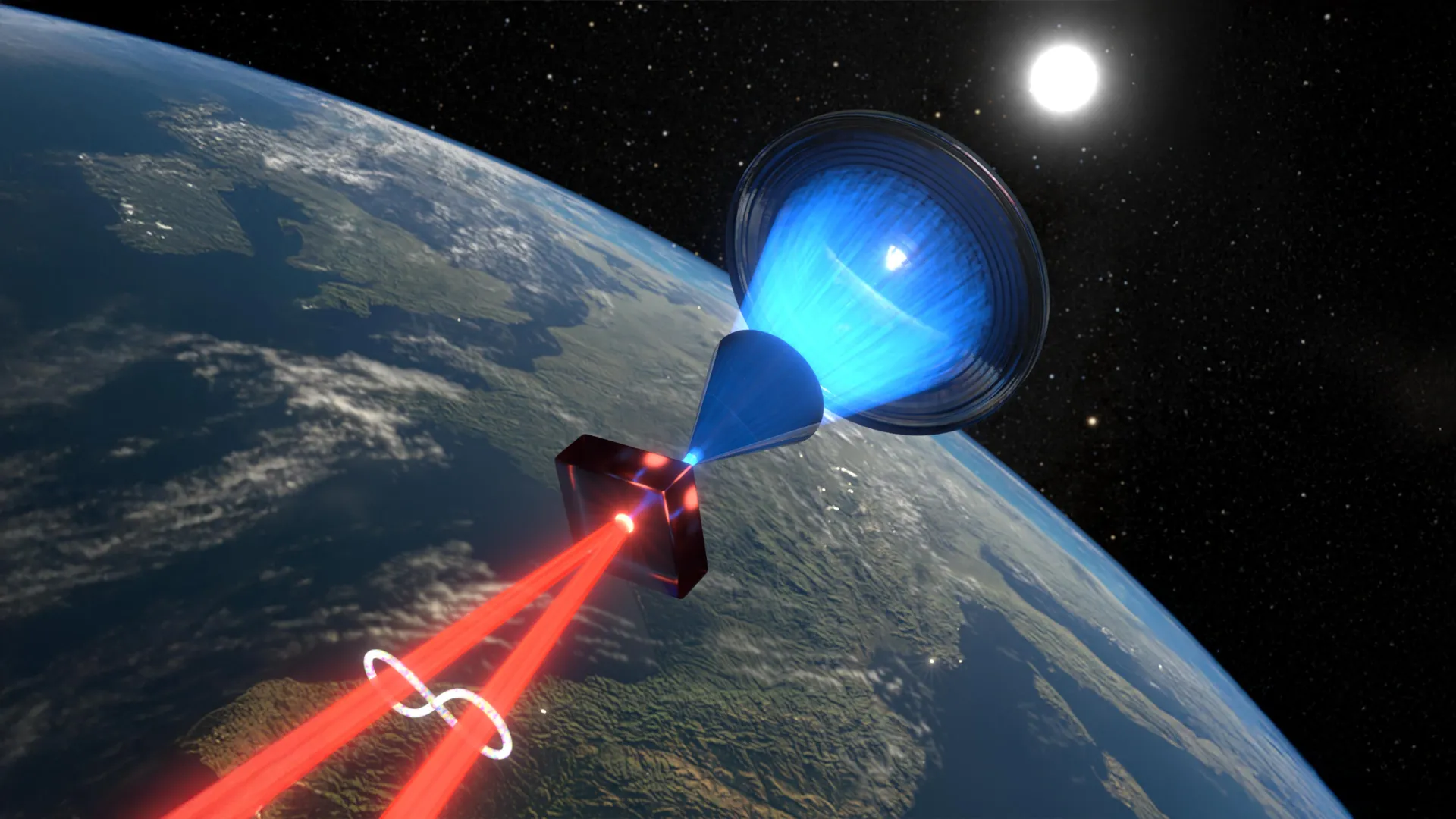
Scientists have generated quantum entanglement directly from sunlight, potentially offering a lower-energy alternative to the lasers normally used in quantum technology. Their outdoor experiment produced entangled photons with about 94% similarity to an ideal state. The result could pave the way for simpler quantum satellites, secure communications, and more energy-efficient quantum computing.
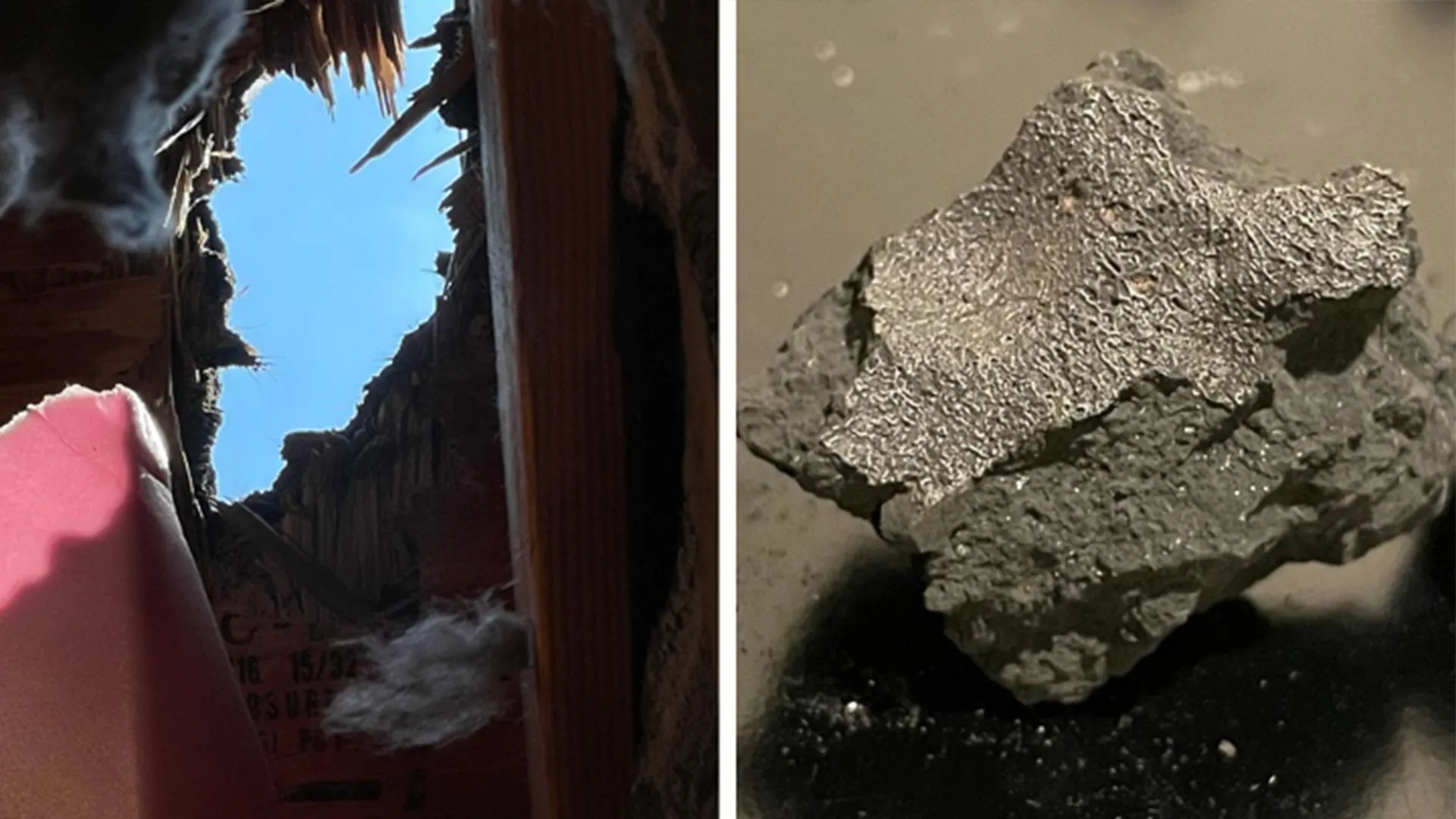
A rare meteorite that crashed through a New Jersey roof contains evidence of ancient salty fluids, organic compounds, and amino acids from a primitive asteroid. Its pristine chemistry could offer new clues about how space rocks helped supply early Earth with some of the ingredients needed for life.
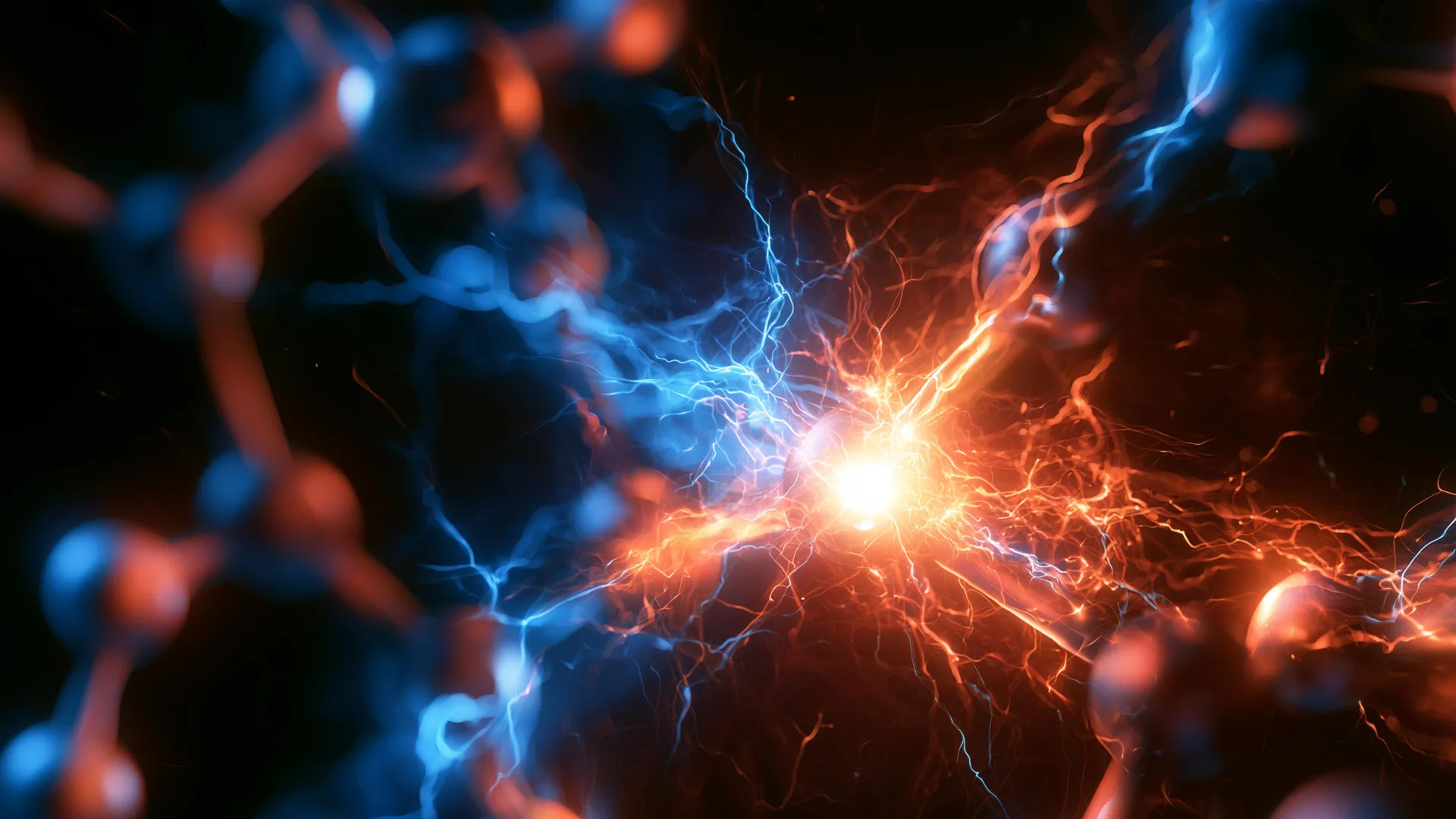
Chemists have developed a catalyst that breaks a long-standing rule governing which molecules receive electrons during chemical reactions. By releasing electrons directly into solution, the technique could unlock reactions—and potentially useful new molecules—that were previously out of reach.
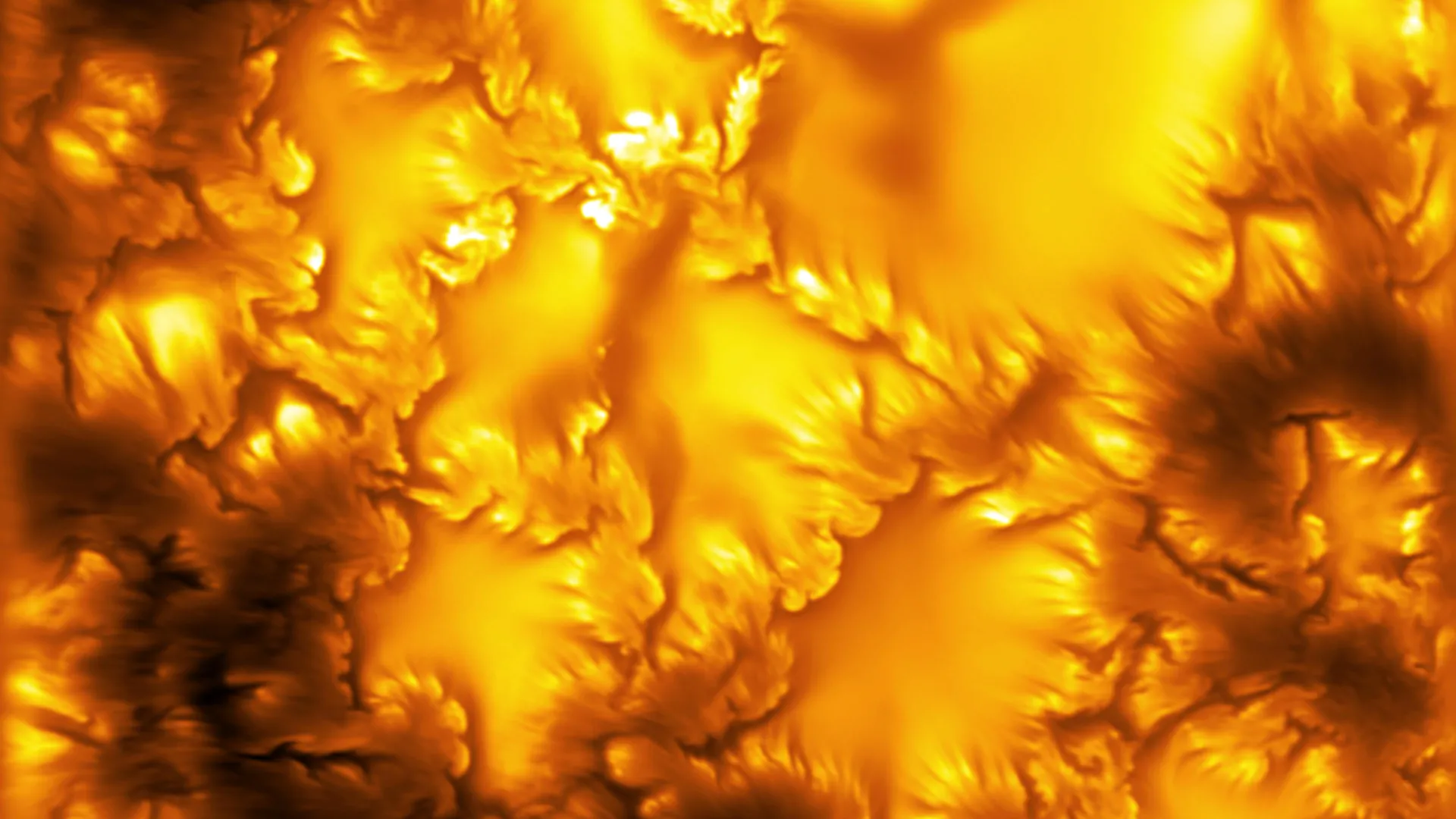
Scientists have discovered incredibly tiny plasma whirlpools swirling across the Sun’s surface, some just 20 kilometers wide. These previously invisible vortices may twist magnetic fields and help build up the energy released in small solar eruptions called nanoflares. They may also help magnetic fields spread through the Sun’s atmosphere far faster than current models can explain.
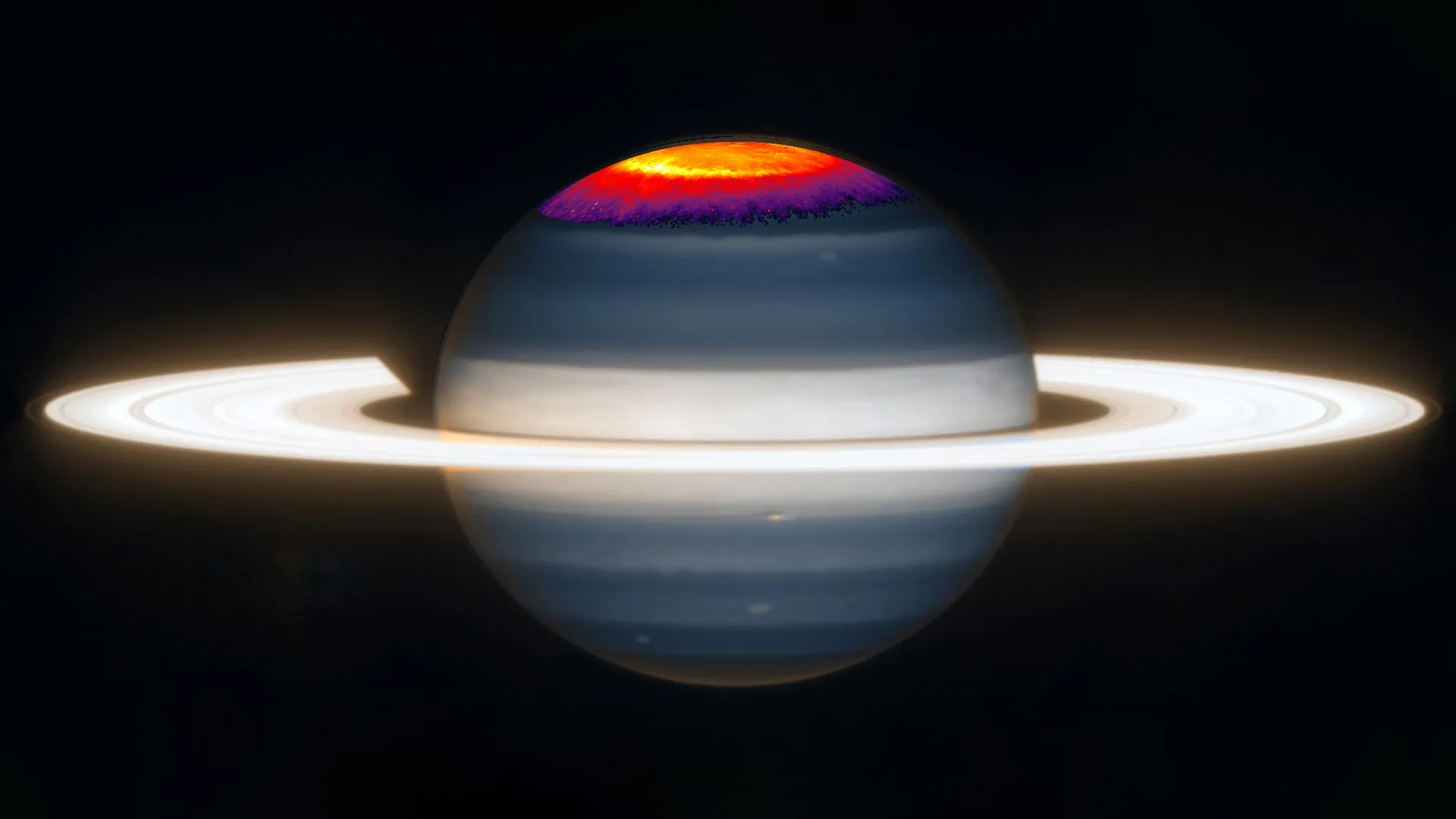
Cassini data has revealed a surprising twist in Saturn’s magnetic shield: the planet’s rapid rotation appears to drag a key opening in its magnetosphere far toward the afternoon side instead of keeping it near noon, as happens on Earth. The finding confirms that giant planets like Saturn operate under a fundamentally different magnetic regime, where fast spin and charged material from moons such as Enceladus can overpower the Sun’s influence.
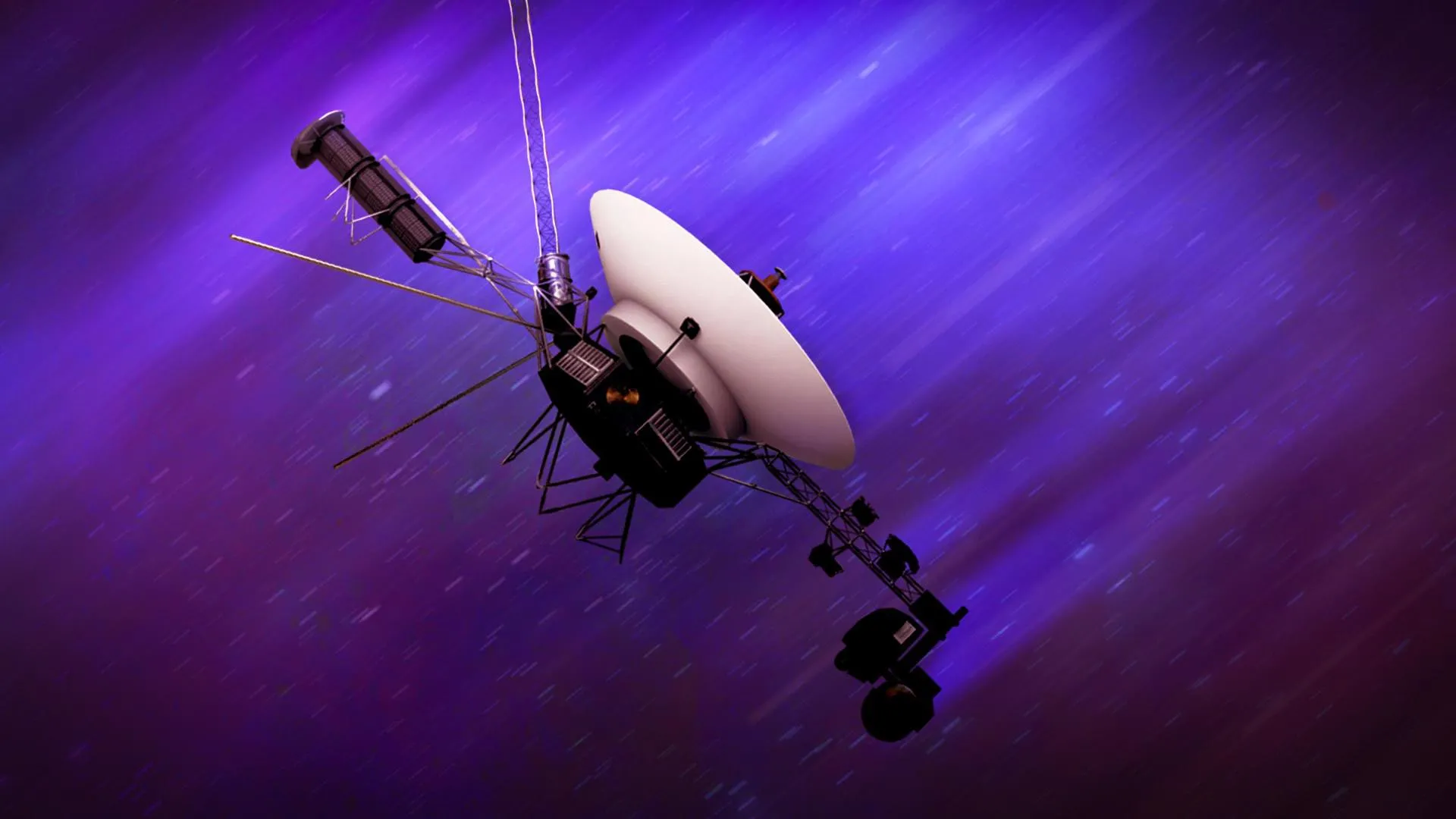
NASA engineers have found a clever way to squeeze more life out of Voyager 2, nearly half a century after it left Earth. In an operation nicknamed the “Big Bang,” the team simultaneously shut down certain power-hungry hardware and switched to lower-power alternatives while keeping the spacecraft warm enough to survive.